Writing
No biography available.
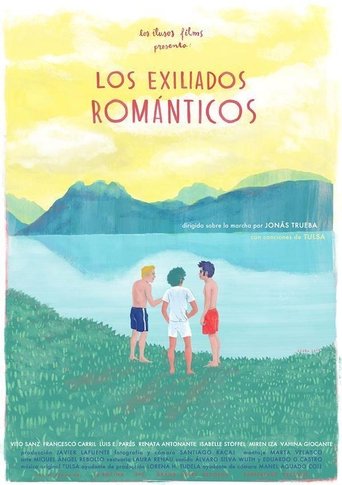
Vito, Luis and Francesco are three Spanish friends around thirty who travel by van to Paris for no apparent reason, just looking for a reunion with their respective ancient, idyllic and yet ephemeral love affairs, perhaps with the only mission of surprising themselves and continue to still feel alive.
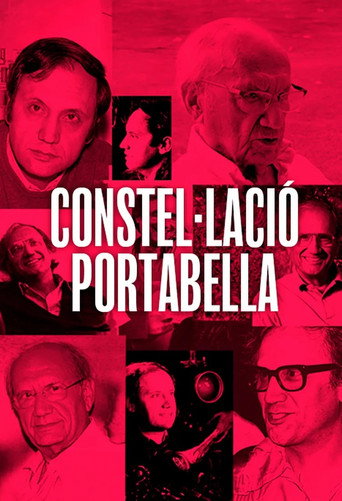
Constel·lació Portabella traces the exciting life of the great Catalan film director and artist Pere Portabella , which traverses the cultural and political history of the country and the last seventy years, letting us be carried away by the passion, the intellect intelligence and curiosity.
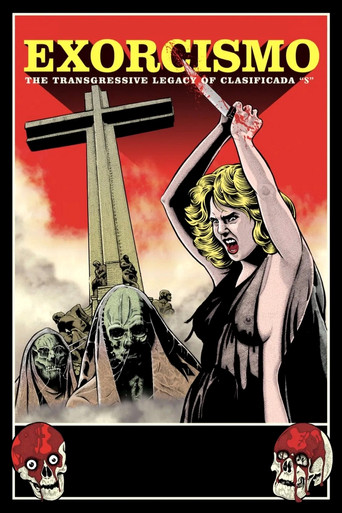
Spain, 1975. Franco's death opens the door to the possibility of uncensored cinema. After two years of relaxed censorship, it is abolished in 1977, and the “S” rating is created to protect viewers from films that may “offend their sensibilities.”
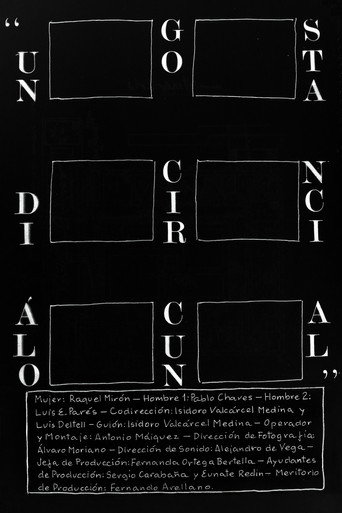
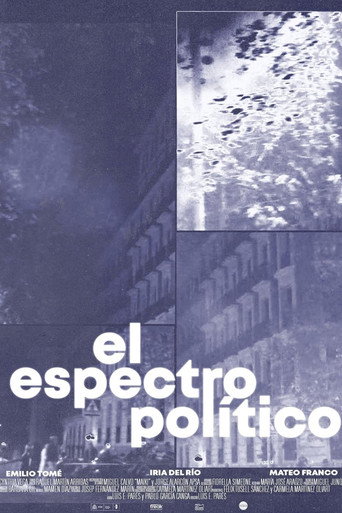
“Two men and a woman meet as a matter of urgency to discuss a subject they consider transcendental to them. However, the order of the session does not occur as it should. The cinematographic montage takes over the story and transforms the meeting into a circumstantial dialogue.”
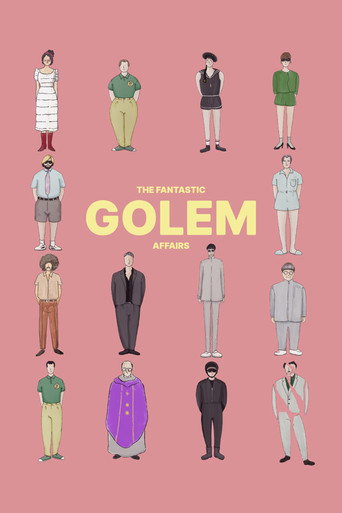
Follows two friends, Juan and David, they will find themselves on a rooftop terrace after an intense party in Madrid. Juan witnesses David falling to the void, and his body disintegrating into ceramic pieces after hitting a car.
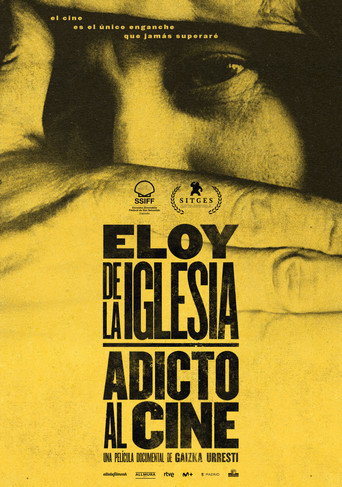
A dauntless film director, an enfant terrible in his early days, confrontational with censorship, always pushing the boundaries of freedom of expression, chronicler of the darkest corners of the transition, De la Iglesia will fall into the clutches of drug addiction, being forgotten and sometimes repudiated for more than a decade before eventually shaking off the ostracism to make films once again, that habit he could never kick.
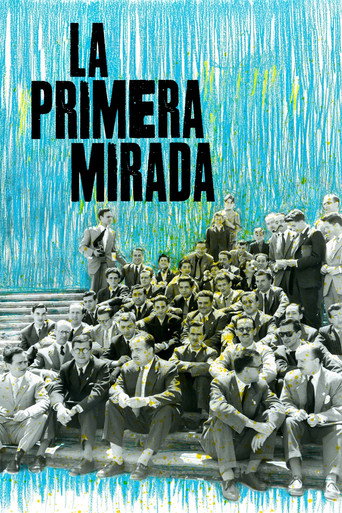
In Spain, a poor country ruined by the recent Civil War (1936-39), and in the midst of Franco's dictatorship, a film school was created in Madrid in 1947, which became, almost unintentionally, a space of freedom and pure experimentation until its closure in 1976.
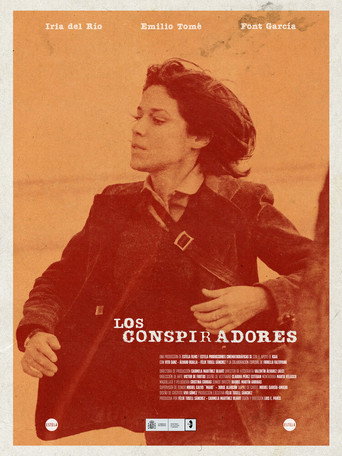
In every attempt at subversion, there are two moments: the one just before, when everyone doubts and no one knows how to hide fear, and the one just after, when all that remains is to run and find a safe place, maybe in memory.
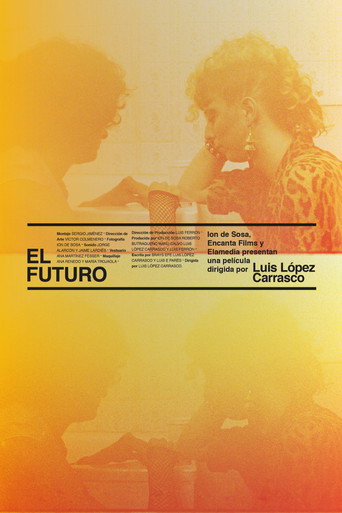
Back to the Future, Spain 1982: at a euphoric party, young people celebrate the election victory of the Socialist Party. López Carrasco stages the past with stunning precision and shows the future as a surprising result: well, the present.
Several meetings between friends in the big city. They talk about their lives, their concerns, the past and the present. The distance between what they say and what they feel is the same distance between their lives and their desires.