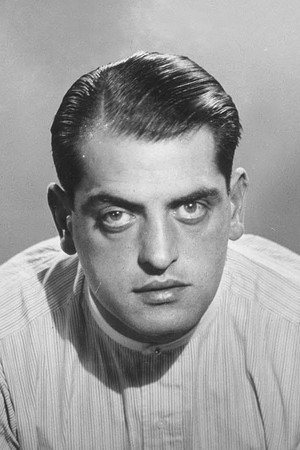
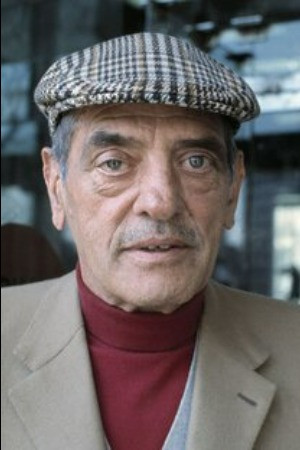
Luis Buñuel Movies, TV Shows, and Filmography
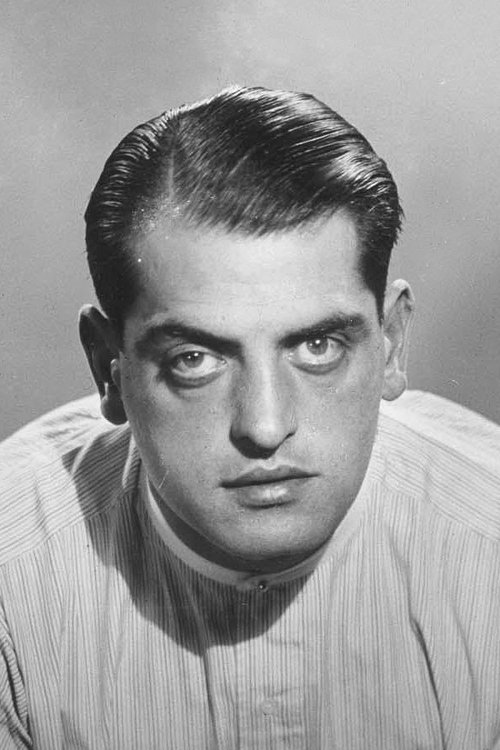
Luis Buñuel
Directing
Biography
Luis Buñuel Portolés (Spanish: [ˈlwis βuˈɲwel poɾtoˈles]; 22 February 1900 – 29 July 1983) was a Spanish filmmaker who worked in France, Mexico, and Spain. He has been widely considered by many film critics, historians, and directors to be one of the greatest and most influential filmmakers of all time. Buñuel's work was known for its avant-garde surrealism which was also infused with political commentary and social satire. Often associated with the surrealist movement of the 1920s, Buñuel made films from the 1920s through the 1970s. He collaborated with prolific surrealist painter Salvador Dali creating the films Un Chien Andalou (1929), which was made in the silent era and L'Age d'Or (1930). The two films are seen as the birth of Cinematic surrealism. From 1947 to 1960 he developed his skills as a director filming in Mexico making grounded and human melodramas such as Gran Casino (1947), Los Olvidados (1950), and Él (1953). Here is where he gained the fundamentals of storytelling. Buñuel than transitioned into making artful, unconventional, surrealist, and political satirical films. He earned acclaim with the morally complex arthouse drama film Viridiana (1961) which criticized the Francoist dictatorship. The film won the Palme d'Or at the 1961 Cannes Film Festival. He then criticized political and social conditions in The Exterminating Angel (1962), and The Discreet Charm of the Bourgeoise (1972) the later of which won the Academy Award for Best International Feature Film. He also directed Diary of a Chambermaid (1964), and Belle de Jour (1967), as well as his final film That Obscure Object of Desire (1977) the later of which earned the National Society of Film Critics Award for Best Director. Buñuel earned five Cannes Film Festival prizes, two Berlin International Film Festival prizes, and a BAFTA Award as well as nominations for two Academy Awards. Buñuel received numerous honors including National Prize for Arts and Sciences for Fine Arts in 1977, the Moscow International Film Festival Contribution to Cinema Prize in 1979, and the Career Golden Lion in 1982. He was nominated once for the Nobel Prize in Literature in 1968. Seven of Buñuel's films are included in Sight & Sound's 2012 critics' poll of the top 250 films of all time.
Filmography Movies
Acting
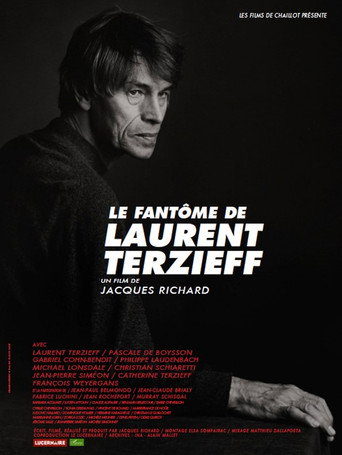
Le Fantôme de Laurent Terzieff
Laurent Terzieff was more than a good actor, after having been a real "star" in the cinema, through his professional choices, he gradually became a real "conscience of the theater", so much had he thought about his art. He received six Molière awards and was always unanimously praised by his peers. “THE GHOST OF LAURENT TERZIEFF” is a daring portrait, as it explores in depth “the secrets of a soul” and the atypical journey of the actor.
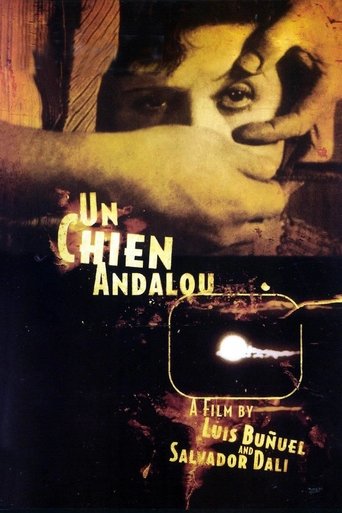
Un Chien Andalou
Un Chien Andalou is an European avant-garde surrealist film, a collaboration between director Luis Buñuel and Salvador Dali.
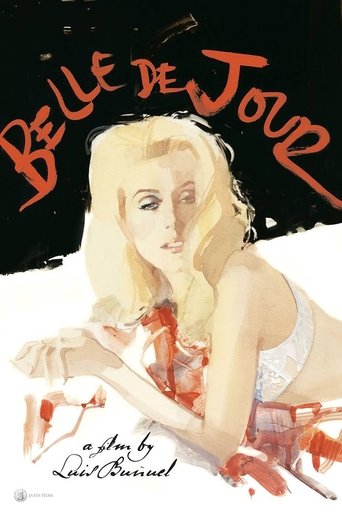
Belle de Jour
Beautiful young housewife Séverine Serizy cannot reconcile her masochistic fantasies with her everyday life alongside dutiful husband Pierre. When her lovestruck friend Henri mentions a secretive high-class brothel run by Madame Anais, Séverine begins to work there during the day under the name Belle de Jour. But when one of her clients grows possessive, she must try to go back to her normal life.
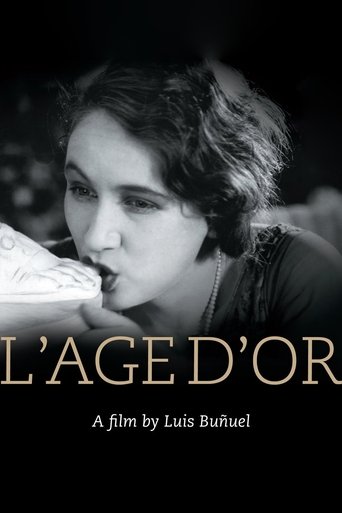
L'Âge d'or
The film consists of a series of tightly interlinked vignettes, the most sustained of which details the story of a man and a woman who are passionately in love. Their attempts to consummate their passion are constantly thwarted, by their families, by the Church and bourgeois society in general.
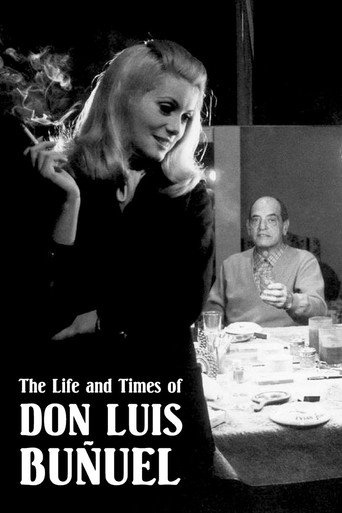
The Life and Times of Don Luis Buñuel
Made a year after Luis Buñuel's death in 1983 this is an illuminating portrait of the surreal and visionary director, featuring clips, archival interviews, and commentary from scholars and contemporaries including Catherine Deneuve, Fernando Rey, and Jeanne Moreau. Directed by Anthony Wall with readings from Buñuel's autobiography by Paul Scofield. Six trims to meet copyright restrictions.
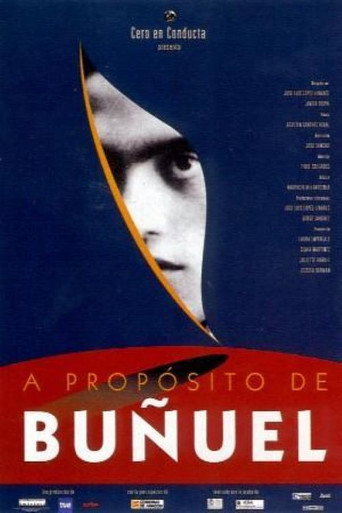
Speaking of Buñuel
Surrealist master Luis Buñuel is a towering figure in the world of cinema history, directing such groundbreaking works as Un Chien Andalou, Exterminating Angels, and That Obscure Object of Desire, yet his personal life was clouded in myth and paradox. Though sexually diffident, he frequently worked in the erotic drama genre; though personally quite conservative, his films are florid, flamboyant, and utterly bizarre.
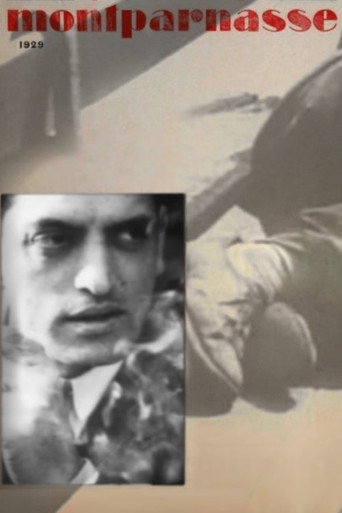
Montparnasse
Come take an avant-garde walk in the Montparnasse of the late 1920's. This district of Paris, filmed in a most unusual way, shows how dedicated it is to art. Visit its art galleries and exhibitions, take a glimpse of famous painter Fujita, of Luis Buñuel eyeing the legs of beautiful Parisian passing the terrace of the café where he sits, of Italian futurists Marinetti, Prampolini and Russolo.
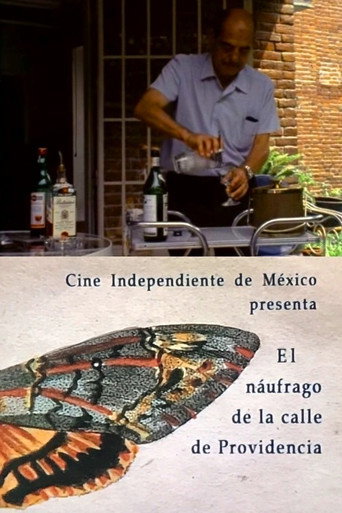
The Castaway on the Street of Providence
Friends of Luis Buñuel discuss the director while Buñuel mixes drinks and entertains friends in his home.
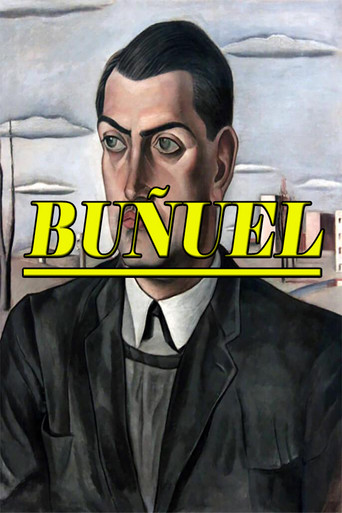
Buñuel
Completed a year after his death in 1983, this program presents the definitive biography of Spain’s renowned Surrealist film maker and iconoclast, Luis Buñuel. Using photographs, film excerpts, and numerous interviews with Bunuel, the video chronicles his early friendships with Salvador Dalí and Federico García Lorca, the stormy reactions to many of his groundbreaking films, and the influence he has had on international cinema. Among those interviewed are directors Federico Fellini, John Huston, and Jose L. Saenz De Heredia; Buñuel’s wife, Jeanne Rucar, and son Juan; actor Francisco Rabal; and Octavio Paz.
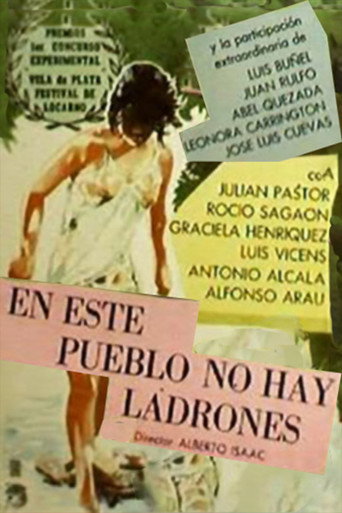
There Are No Thieves in This Village
When a young boy steals billiard balls from a local saloon, a stranger is charged with the crime. The local layabouts find there is no reason to hang out at the bar without being able to shoot pool, and the boy entertains thoughts of forming a gang to steal more billiard balls in hopes of making money.
Production
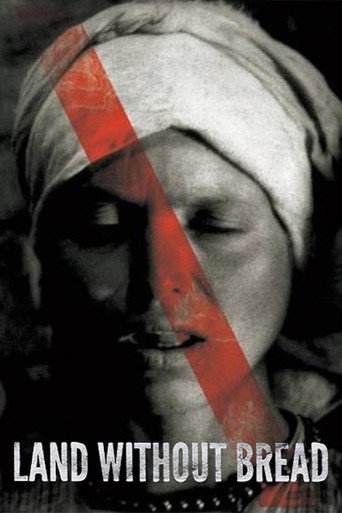
Land Without Bread
An exploration —manipulated and staged— of life in Las Hurdes, in the province of Cáceres, in Extremadura, Spain, as it was in 1932. Insalubrity, misery and lack of opportunities provoke the emigration of young people and the solitude of those who remain in the desolation of one of the poorest and least developed Spanish regions at that time.
Land Without Bread
An exploration —manipulated and staged— of life in Las Hurdes, in the province of Cáceres, in Extremadura, Spain, as it was in 1932. Insalubrity, misery and lack of opportunities provoke the emigration of young people and the solitude of those who remain in the desolation of one of the poorest and least developed Spanish regions at that time.
Un Chien Andalou
Un Chien Andalou is an European avant-garde surrealist film, a collaboration between director Luis Buñuel and Salvador Dali.
Belle de Jour
Beautiful young housewife Séverine Serizy cannot reconcile her masochistic fantasies with her everyday life alongside dutiful husband Pierre. When her lovestruck friend Henri mentions a secretive high-class brothel run by Madame Anais, Séverine begins to work there during the day under the name Belle de Jour. But when one of her clients grows possessive, she must try to go back to her normal life.
Belle de Jour
Beautiful young housewife Séverine Serizy cannot reconcile her masochistic fantasies with her everyday life alongside dutiful husband Pierre. When her lovestruck friend Henri mentions a secretive high-class brothel run by Madame Anais, Séverine begins to work there during the day under the name Belle de Jour. But when one of her clients grows possessive, she must try to go back to her normal life.
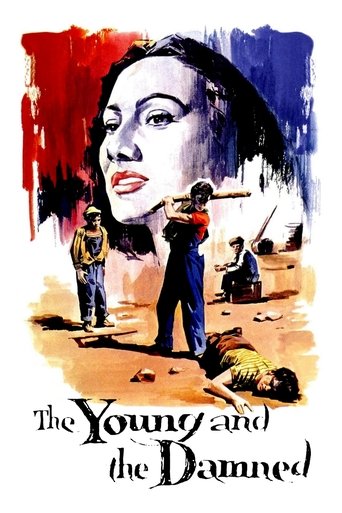
The Young and the Damned
A group of juvenile delinquents live a violent life in the infamous slums of Mexico City; among them Pedro, whose morality is gradually corrupted and destroyed by the others.
The Young and the Damned
A group of juvenile delinquents live a violent life in the infamous slums of Mexico City; among them Pedro, whose morality is gradually corrupted and destroyed by the others.
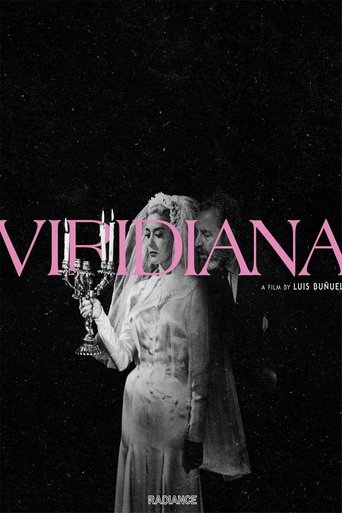
Viridiana
Viridiana is preparing to start her life as a nun when she is sent, somewhat unwillingly, to visit her aging uncle, Don Jaime. He supports her; but the two have met only once. Jaime thinks Viridiana resembles his dead wife. Viridiana has secretly despised this man all her life and finds her worst fears proven when Jaime grows determined to seduce his pure niece. Viridiana becomes undone as her uncle upends the plans she had made to join the convent.
Viridiana
Viridiana is preparing to start her life as a nun when she is sent, somewhat unwillingly, to visit her aging uncle, Don Jaime. He supports her; but the two have met only once. Jaime thinks Viridiana resembles his dead wife. Viridiana has secretly despised this man all her life and finds her worst fears proven when Jaime grows determined to seduce his pure niece. Viridiana becomes undone as her uncle upends the plans she had made to join the convent.
Viridiana
Viridiana is preparing to start her life as a nun when she is sent, somewhat unwillingly, to visit her aging uncle, Don Jaime. He supports her; but the two have met only once. Jaime thinks Viridiana resembles his dead wife. Viridiana has secretly despised this man all her life and finds her worst fears proven when Jaime grows determined to seduce his pure niece. Viridiana becomes undone as her uncle upends the plans she had made to join the convent.
Gallery