Acting
No biography available.
Former Nazi Klaus Abard survives to the 1990s by taking anti-ageing pills. He plans to use a time travel trip to return to Germany in 1944 and present Hitler with a hydrogen bomb, so that he can win the war. Unfortunately the pilot, woman-chasing Karel Bures, dies on the morning of the trip and his earnest twin brother Jan impersonates him, without knowing about the plot.
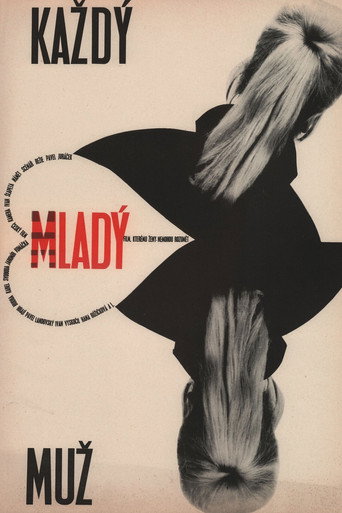
Jurácek's feature debut is shot in two parts. In the first, a corporal accompanies a new recruit with a sore Achilles tendon for his physical, and all the girls or young women they see are played by the same actress (Ruzickova). In the longer second segment, shot with the help of the Czechoslovakia army, the soldiers pass the time during basic training and maneuvers by talking about girls.
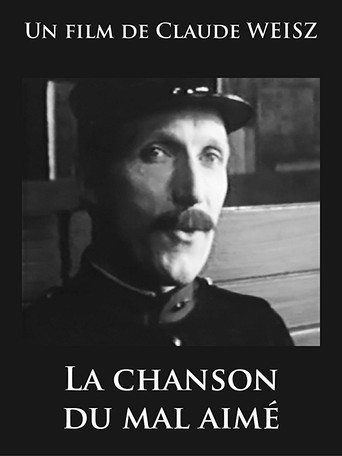
Biography of the life of Guillaume Apollinaire.
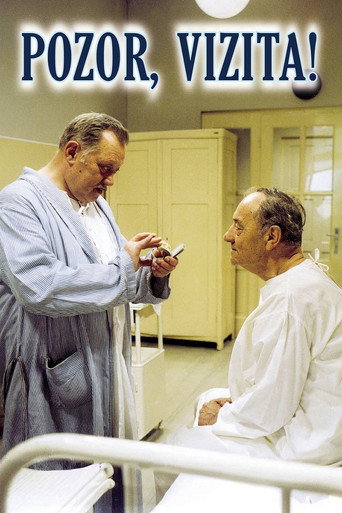
A story about an everyday life of an inflectional department of Prague hospital.
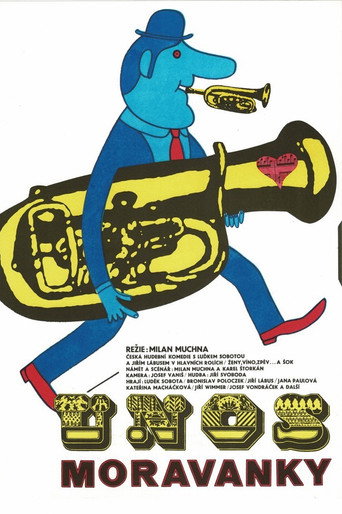
The popular Moravanka brass band performs at the fair. Vasek Pivoňka, the bandleader of the local brass band Kulatěnky, which broke up, decides to put the band back together. The village musicians are sceptical at first, but later they start rehearsing with vigour. Standa, a Prague resident who is working in a pig farm to cure his nerves, helps them to organise the concert. He really likes Evica Kocourková, but her father keeps an eye on her. Young Šišák tries to charm the teacher Olina. Before the performance can begin, the band must succeed before the cultural committee. However, they fail to do so. The disappointed musicians play for themselves at the station and suddenly they are successful. Standa comes up with an idea how to push Kulatěnka through without the permission of the commission. A concert of Moravanka is being prepared in nearby Nechvalin.
Comedy about soldiers.
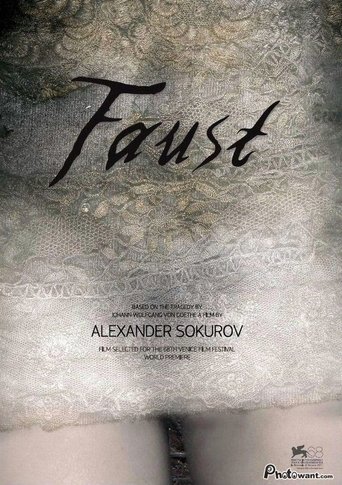
A doctor in early 19th-century Germany becomes infatuated with the sister of a man he unintentionally killed and bargains with the Devil incarnate to conjure their union in exchange for his soul.
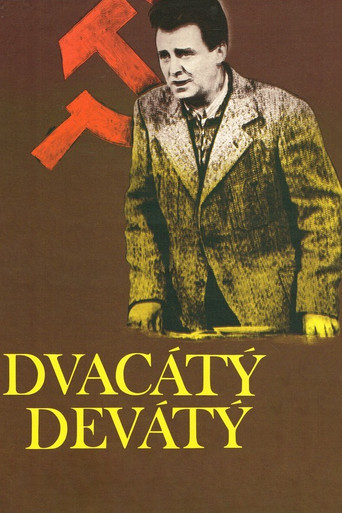
In the era of normalisation, a number of (pseudo)historical films were made, even described as reconstructions, which glorified the world-building mission of the Communist Party and attributed to it exclusively humanitarian intentions ("Days of Betrayal", "Sokolovo", "Liberation of Prague", "The Victorious People"). In 1929, when its fifth congress met, Klement Gottwald, who had taken the line of the Russian Bolsheviks, took over the leadership of the Communists...