Production
No biography available.
Based on interviews with 15 women, including directors, producers and film actresses, a journey around the world is made, seeing the wars waged by each one against economic and political repression, bombs, police dogs, censors, etc. Images from England, New York, Brazil, South Africa.
Passionate about the magic of cinema and historically imposed on a place of invisibility, prejudices and stereotypes, how can women challenge, break with oppression, look after precious archives, play remarkable characters, produce and direct successful films? The documentary illuminates the trajectories of dreams, challenges and victories of talented Brazilian women in our audiovisual sector.
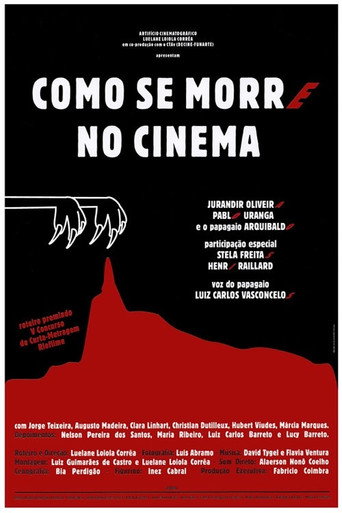
Memories of a parrot who participated in the filming of the classic Vidas Secas, in 1962, where it was featured along the puppy Baleia.
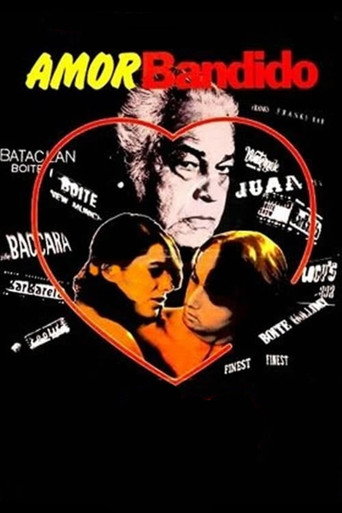
Police investigator Galvão is pursuing two trails, one professional and one personal. While he looks for a serial killer, he also searches for his estranged daughter, Sandra, whom he kicked out of the house. Lives intersect when the serial killer, Toninho, befriends Sandra, now an exotic dancer and prostitute living and working in the seamy underside of late 1970s Rio.
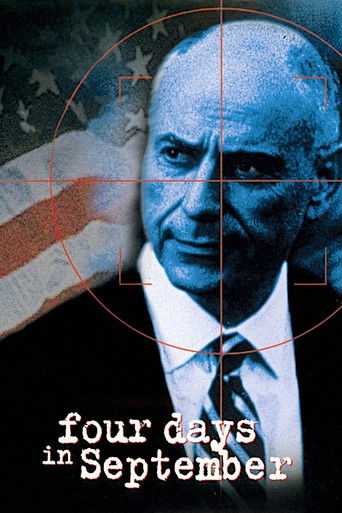
Fernando, a journalist, and his friend César join terrorist group MR8 in order to fight Brazilian dictatorial regime during the late sixties. César, however, is wounded and captured during a bank hold up. Fernando then decides to kidnap the American ambassador in Brazil and ask for the release of fifteen political prisoners in exchange for his life.
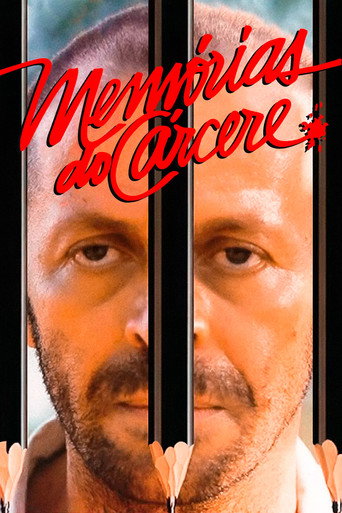
In the 1930s, novelist and politician Graciliano Ramos is accused of being a communist sympathizer. He is then arrested and sent to the Ilha Grande prison, where he experiences the disturbing treatment reserved for common prisoners.
After being forced into a marriage and enduring a humiliating work routine in the hands of his father-in-law, Zé Araújo becomes the mythical Ojuara, an unconventional hero devoted to debauchery.
Two friends get rich running an illegal gambling business. But soon they start to compete, and become rivals.
An unhappily married cleaning woman in the slums of Rio entices all the money and gifts she can out of an elderly widower.
In 1951, New York poet Elizabeth Bishop travels to Rio de Janeiro to visit Mary, a college friend. The shy Elizabeth is overwhelmed by Brazilian sensuality. She is the antithesis to Mary’s dashing partner, architect Lota de Macedo Soares. Mary is jealous, but unconventional Lota is determined to have both women at all costs. This eternal triangle plays out against the backdrop of the military coup of 1964. Bishop’s moving poems are at the core of a film which lushly illustrates a crucial phase in the life of this influential Pulitzer prize-winning poet.
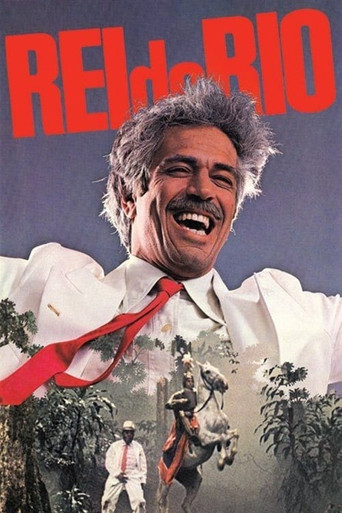
In the 1930s, a blacksmith is accused of murdering his wife and becomes a hero and political leader.
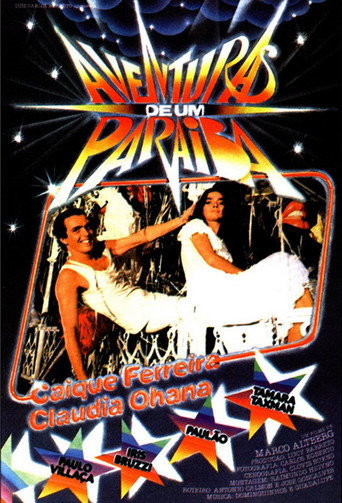
Young guy from the poor Northeast region of Brazil comes to Rio de Janeiro to try his luck. Naturally, he is faced with many adversities along the way.
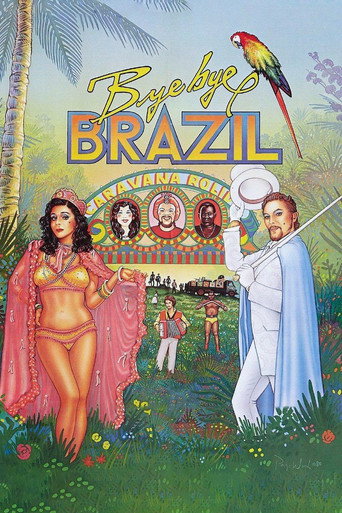
The Caravana Rolidei rolls into town with the Gypsy Lord at the mike: he does magic tricks, the erotic Salomé dances, and the mute Swallow performs feats of strength. A young accordion player is completely enamored of Salomé, and he begs to come along. The Gypsy Lord shrugs, and the accordionist and his pregnant wife, Dasdô, join the troupe.