Art
No biography available.
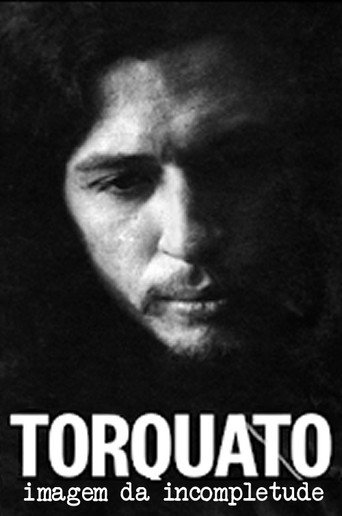
A reflection on the works and thinking of the last years of production by Torquato. Such as the magazine "Navilouca", the film "Terror da Vermelha", the column "Geleia Geral" and the controversial Cinema Novo X Marginal, among other passages important aspects of Brazilian culture in the 60s and 70s.
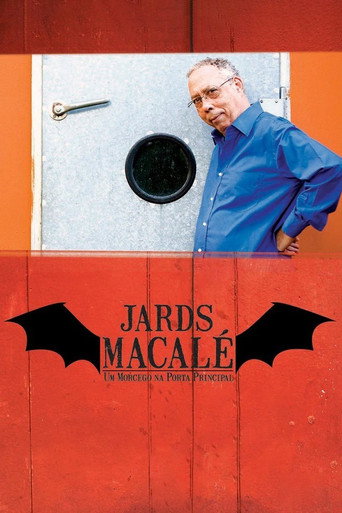
This film shines a light at the story of Jards Macalé, polemic artist and controversial character of Brazilian culture over the last four decades. Author of songs such as "Vapor Barato" and "Movimento dos Barcos", a partner in crime of poet Waly Salomão, guitar player and songwriter for Gal Costa and Caetano Veloso, actor and author of soundtracks in Nelson Pereira dos Santos' films, a personal friend of visual artists Lygia Clarke and Hélio Oiticica, but, first and foremost, someone who dreams of seeing the word "love" in the Brazilian flag.
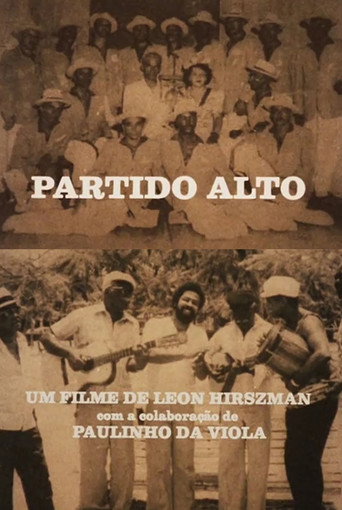
The history of Partido-Alto, a musical subgenre derived from Samba, with roots in the batucada of Bahia.
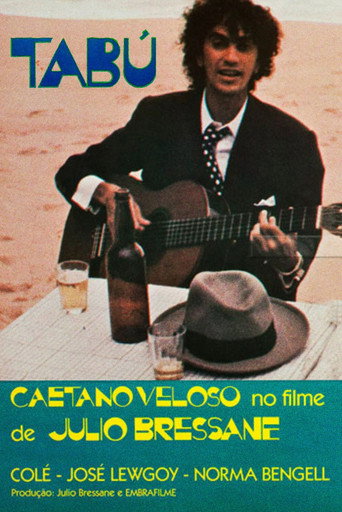
The fictional encounter in Rio de Janeiro, Brazil (in the 30s) between popular songwriter Lamartine Babo and inconoclast poet and playwright Oswald de Andrade.
Irreverent adaptation of great writer Machado de Assis's masterpiece "Memórias Póstumas de Brás Cubas" ("Brás Cubas's Posthumous Memories"). A dead man tells about his love life and adventures, specially his affair with Virgília, a dubious married woman.
An experimental film on Brazilian avant-garde artist Hélio Oiticica and his works, especially the Parangolés.
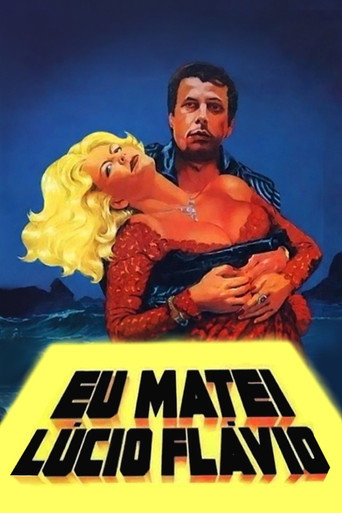
In the early seventies in Rio de Janeiro, detective Mariel Moryscötte de Mattos belonged to a special police force called "The Golden Men". This powerful group of the elite of the police was created with the intention of eliminate crime from Rio de Janeiro, and they had privileges above law to expedite their action against the outlaws. However, absolute power in wrong hands corrupts, and this group formed the "Death Squad", executing criminals without the conventional trial from the justice.
A caboclo's soul wanders through purgatory (or hell), visiting many places until he boards a ship whose destination is unknown.
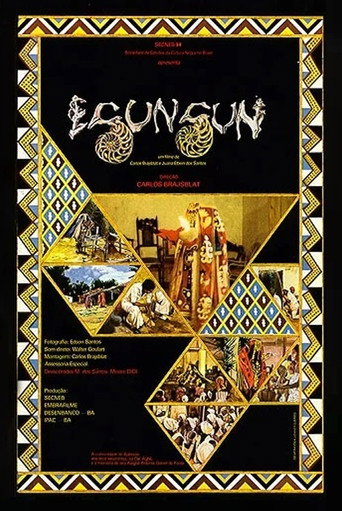
On the island of Itaparica, Bahia, a community of Nagô descendants has been recreating the customs and values of African and Brazilian ancestors for 200 years, living off fishing and harvesting fruits in a space that is being occupied by the real estate industry and tourism.
Aspects of writer Clarice Lispector's personality and soul remembered on the occasion of her death in the testimony of friends. The testimonies are interspersed with excerpts from an interview that Clarice gave in life to a television station.