Camera
No biography available.
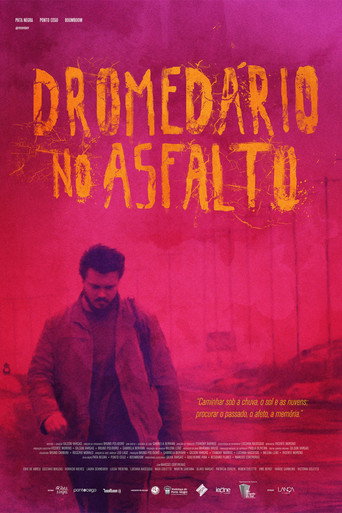
Camel on the Tarmac is made of two movements: the walking and the feeling. Walking under the sky of platinum winter; and on the asphalt. Feeling under the silence of the journey; relive the emotional memories. Peter walks and feel; walks and crosses the border between sister countries, Brazil and Uruguay. Follows in search of man who, like him, live recluse addition in their own digressions: his father.
Guilherme feels attracted to his best friend, but is afraid to tell him that. Through the internet, he discovers a way to fulfill his desire.
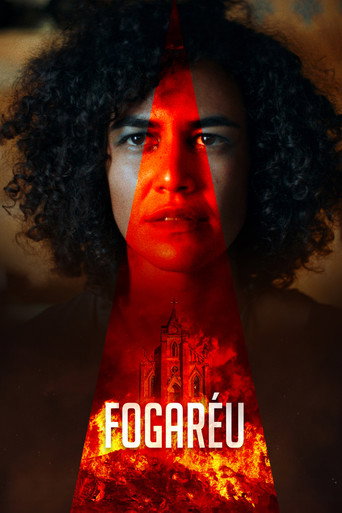
On the border between the real and the fantastic, between the colonial past and the overwhelming modernity of agribusiness, the city of Goiás is the scene of the meeting between the young Fernanda and her secret roots. She returns to the home of her wealthy uncle, after the death of her adoptive mother, in order to implode the certainties and to reveal the painful truth about its origin.
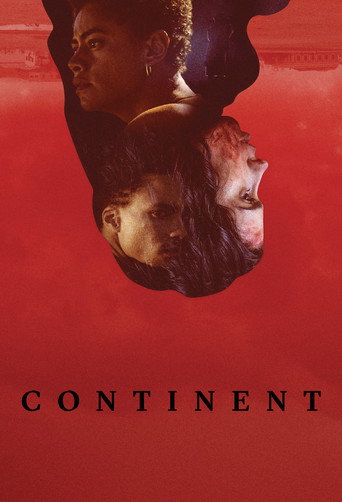
After 15 years of living abroad, Amanda returns home with her French boyfriend, Martin. They arrive at her family's large-scale farm, located in a secluded village on the endless plains of southern Brazil. There, Amanda finds her father in a coma in the midst of increasing tension among the workers. The sole doctor in the nearby village is Helô, a young woman who resigns herself to caring for the local townspeople. The imminent death of the farm owner will put Amanda, Martin, and Helô at the heart of a disturbing settlement between the village and the farm owners.
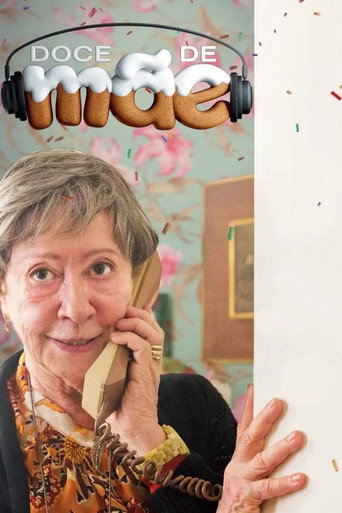
Picucha may seem old-fashioned, but she has modern ideas and a great sense of humor. As the matriarch of a big family, she is involved in the daily lives of her children, grandchildren and other relatives. Undeterred by the typical problems of old age, she uses her many years of experience to solve problems in the best way possible.
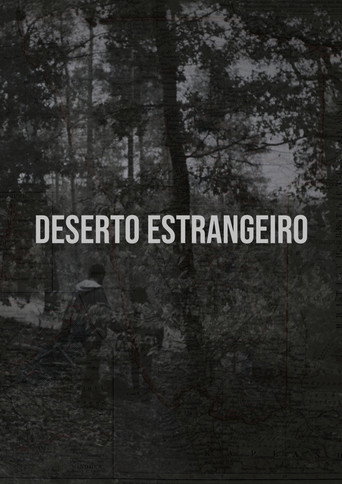
A young Brazilian, who has just started working in a huge forest in Berlin, is dragged into a nightmare involving the German colonial past when he tries to find a girl lost in the woods.
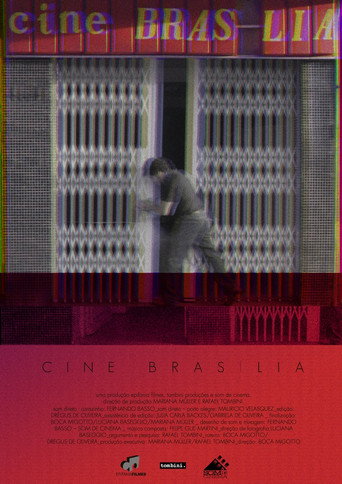
This short documentary captures the history and the current state of decay of the Cine Brasília: a movie theater founded in 1955 that became an important cultural fixture in the town of Carazinho, Brazil. In the 2010s, it turned into one of the last independent movie theaters in the brazilian south due to its steadfast owner, who refused to let his family business die out.
Santiago, Amsterdam, Berlin, Cologne, Paris, London, Porto Alegre, Sao Paulo. The cities that witnessed the brief life of the poet, playwright and writer Caio Fernando Abreu (1948-1996) are now revisited and covered with fragments of his works and memories of his friends, such as Maria Adelaide Amaral, Grace Gianoukas and Adriana Calcanhoto.