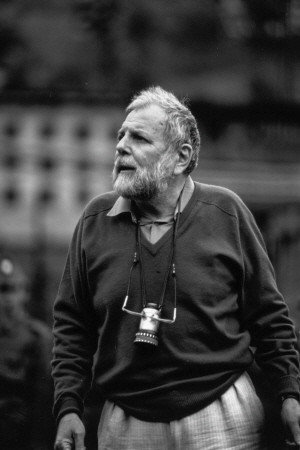
Lucian Pintilie Movies, TV Shows, and Filmography
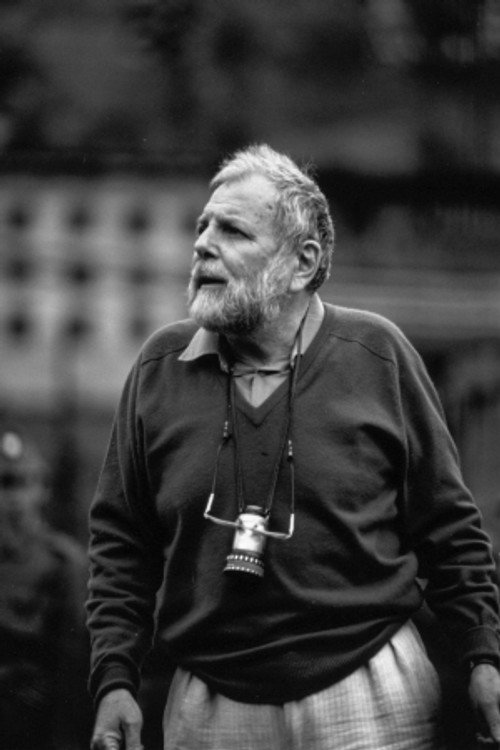
Lucian Pintilie
Directing
Biography
Lucian Pintilie (Romanian pronunciation: [lutʃiˈan pintiˈli.e]; 9 November 1933 – 16 May 2018) was a Romanian theatre, film, and opera director, as well as screenwriter. His career in theatre, opera, film and television has gained him international recognition. Pintilie was born in 1933 in Tarutino, at the time in Cetatea Albă County, Kingdom of Romania. After attending the Cantemir Vodă and Ion Luca Caragiale high schools in Bucharest, he graduated from the Institute of Theater and Cinematographic Art in Bucharest.
Filmography Movies
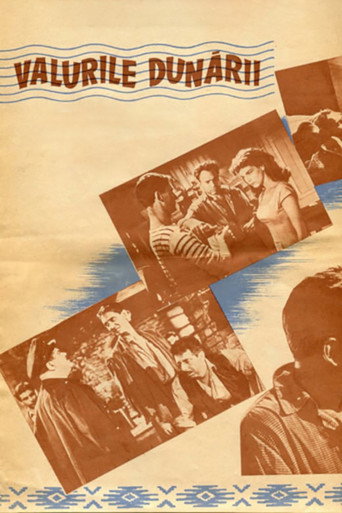
Production
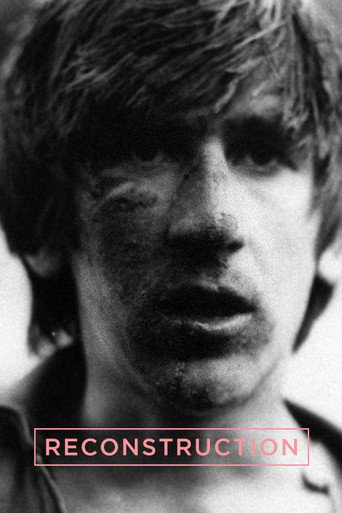
Reconstruction
A prosecutor, policemen and teacher take the students Vuica and Nicu to a restaurant to re-enact their drunken brawl there, and have it filmed to show the effects of alcoholism.
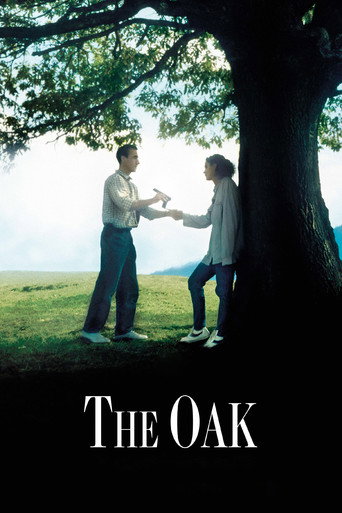
The Oak
A description of Romania before Ceausescu's downfall, through the story of Nela. Daughter of a former colonel of the Securitate, the romanian political police. She refused to become like her sister, an agent of this Securitate, and lives with her father. After he died, she leaves Bucharest, and ends up in a little town, where she meets Mitica, a surgeon, another herself, laughing at everything.
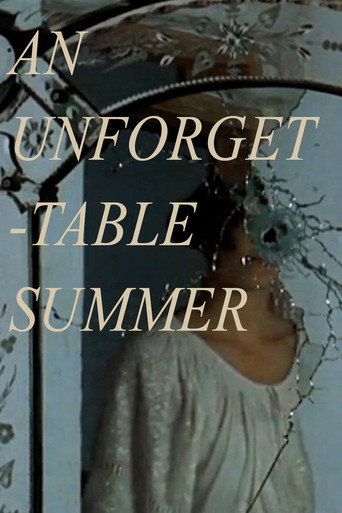
An Unforgettable Summer
In 1925 Romania, young Marie-Therese Von Debretsy refuses the flirtatious advances of her husband's commanding officer. As a result, the cosmopolitan family is reassigned to a brutally bleak and dangerous outpost on the Bulgarian/Romanian frontier where both their relationship and humanity are severely tested.
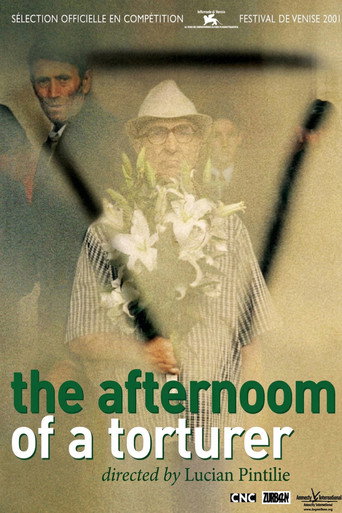
The Afternoon of a Torturer
A young journalist interviews a man who was a torturer during the early days of the communist regime in Romania.
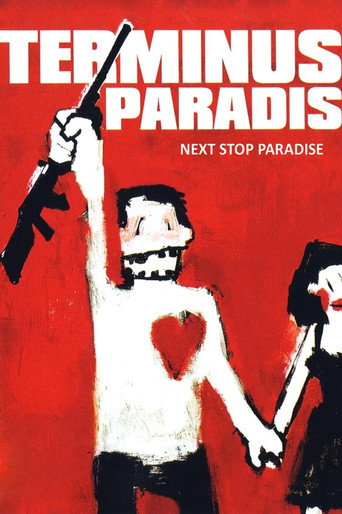
Next Stop Paradise
Mitu and Elena get to know each other in the course of a vodka drinking contest and discover that they are both dissatisfied with the status quo. Mitu is about to begin military service and Elena is to be married to a man she does not love. They decide they are meant for each other and plan on a different future, one that is on a collision course with the authorities, and start a mad affair.
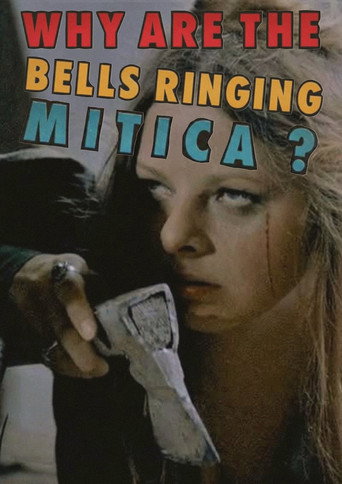
Why Are the Bells Ringing, Mitica?
Based on a theatrical text by Romanian writer Ion Luca Caragiale (1852-1912), who was a bitter and funny witness of the turn-of-the-20th-century Romanian bourgeois mores, Carnival Scenes manages to preserve and further enhance the slightly hysteric atmosphere of his plays. Pintilie creates a strange combination of carnival scenes which is brought to the screen as a burlesque, fast-paced, screwball comedy with a meditative undertone. This film was banned in Romania for a decade until the death of Ceausescu in 1989 and was only released after the 1989 revolution.
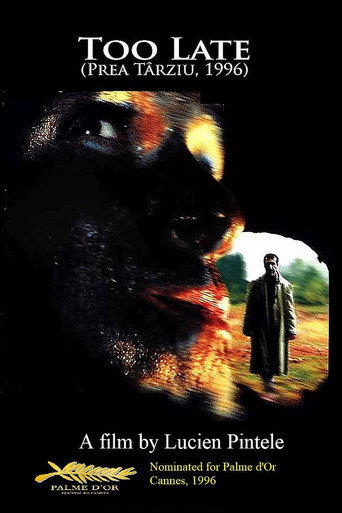
Too Late
In post-communist Romania, young prosecutor Dumitru Costa is sent to investigate a miner's suspicious death in the Jiu Valley. As he delves deeper, he uncovers a network of corruption and negligence within the local mining community. Costa's pursuit of justice pits him against powerful interests, testing his resolve in a society struggling with the aftermath of transition.
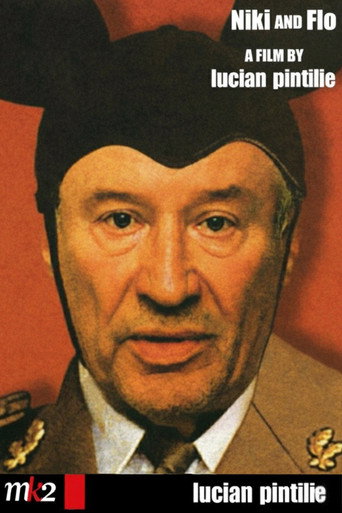
Niki and Flo
In this very black comedy about ill-suited neighbors united by marriage, Niki is a former colonel in the Romanian army whose daughter is married to the son of Flo, an aging Bohemian who is full of schemes for the “new” Romania. As the young couple prepares to emigrate to the U.S., Niki is obliged to interact with Flo, whom he finds totally unbearable.
The Oak
A description of Romania before Ceausescu's downfall, through the story of Nela. Daughter of a former colonel of the Securitate, the romanian political police. She refused to become like her sister, an agent of this Securitate, and lives with her father. After he died, she leaves Bucharest, and ends up in a little town, where she meets Mitica, a surgeon, another herself, laughing at everything.
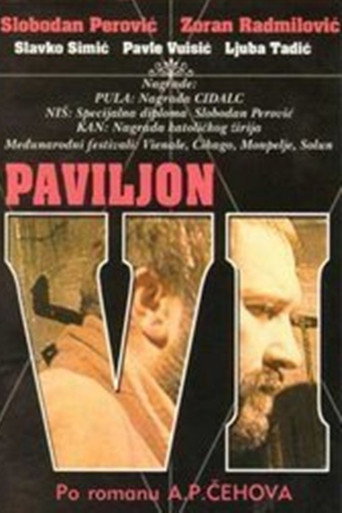
Ward Six
A study of the mental breakdown of a doctor in a remote rural village. He believes himself intellectually superior to everyone except for a political prisoner in a mental ward. This is a metaphor on life under repressive governments, conformity versus individual expression.
Gallery