Sound
No biography available.
In 1972, what does making a film mean? How does a movie make? What is the relationship between the producer of shows and the spectator? How does meaning travel in the story? These are the questions posed and proposed by the film.
Documentary in 7 segments whose theme is "Multicultural Switzerland". The segments are: "Raclette Curry", "Was Wie Wann Wohin Gehört", "Home Alone?", "Hopp Schwyz", "Mixed Up", "Making of a Jew" and "Train Fantôme".
A journalist is assigned to interview an eccentric anthropologist who has exhumed the skeleton of Jörg Jenatsch, a revered freedom fighter who was mysteriously murdered in 1639. Initially disinterested, the journalist begins to uncover unflattering truths about the national hero and experiences visions in which he seems to be witnessing events that transpired over 300 years ago. As he obsessively pursues the investigation, his personal life and his grip on reality disintegrate, drawing him relentlessly toward the fatal carnival at which Jenatsch was killed.
Two men and a young girl meet at the end of the world
To salve his guilty conscience an elder brother removes his disturbed younger sibling from a mental institution after a suicide attempt and tries to bring him back to mental competency through one on one contact. Free of the institution he continues to be haunted by dreams of a lost twin and chants the eerie phrase "Do I stand before the king?" It is the elder brother that seems doomed to lose himself in his brother's insanity.
A woman goes to Cannes and, lost in its chaos and unable to obtain tickets, ends up watching it on television from her hotel room.
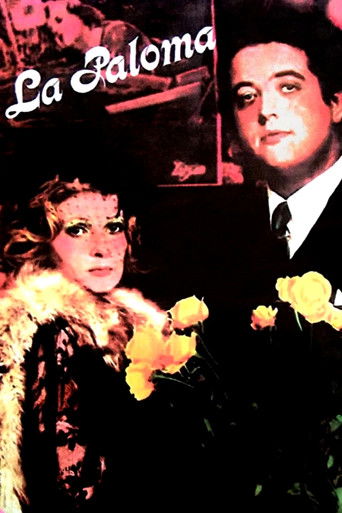
Nightclub singer La Paloma succumbs to the persistent courting of a chubby, rich admirer and marries him. Before the marriage, she was thought to be dying, but soon she is well. She believes her husband's love has cured her, but her efforts to love him begin to fade as she discovers true love with her husband's old school friend.
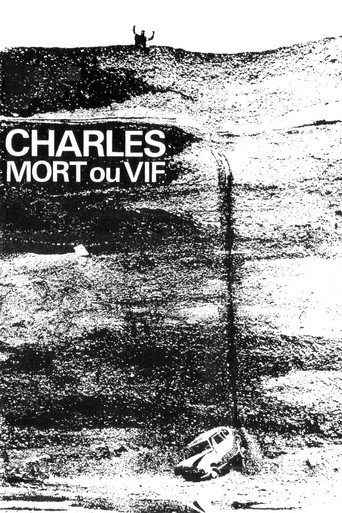
On the 100th anniversary of the founding of a watchmaking company in Geneva, Charles Dé the founder's 50-year-old grandson has had it: he speaks eccentrically to a reporter, recognizing his grandfather as a craftsman and his son as a businessman, but is evasive about himself. He gives his family the slip and moves in with a young couple he meets by chance, doing the cooking, reading, drinking, and engaging in philosophical discussions with them. The young couple comes to love Charles. In secret, he stays in touch with a daughter, and the rest of the family hires a private investigator to find him, setting in motion a business take-over that threatens his Bohemian happiness.
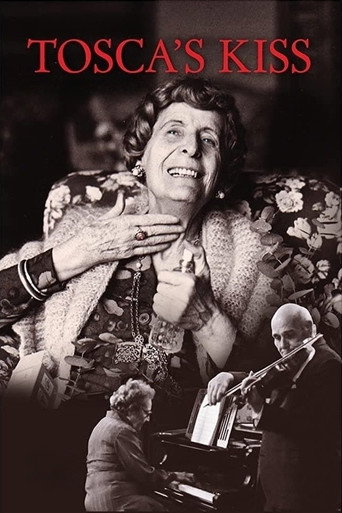
Memoirs of the Italian Opera by the singers and musicians of the Casa Verdi, Milan, the world’s first nursing home for retired opera singers, founded by composer Giuseppe Verdi in 1896. This documentary, which has achieved cult-like status among opera and music lovers, features former singers who reminisce about their careers and their past operatic roles.
This film deals with the issue of mandatory military service in Switzerland. For four months, from February to May 1990, filmmaker Jacqueline Veuve and her team filmed a platoon engaged in basic training at Colombier, Switzerland.