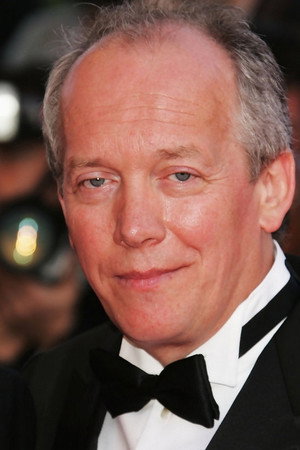
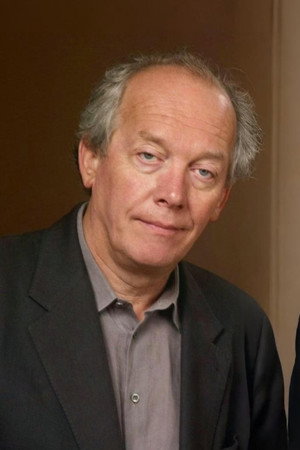
Luc Dardenne Movies, TV Shows, and Filmography

Luc Dardenne
Directing
Biography
Brothers Jean-Pierre Dardenne (born 21 April 1951) and Luc Dardenne (born 10 March 1954), collectively referred to as the Dardenne brothers, are a Belgian filmmaking duo. They write, produce, and direct their films together. The Dardennes began making narrative and documentary films in the late 1970s. They came to international attention in the mid-1990s with La Promesse (The Promise). They won their first major international film prize when Rosetta won the Palme d'Or at the 1999 Cannes Film Festival. Their work tends to reflect left-wing themes and points-of-view. In 2002, Olivier Gourmet won Best Actor at Cannes for the Dardennes' Le Fils (The Son). In 2005, they won the Palme d'Or a second time for their film L'Enfant (The Child), putting them in an elite club, at the time, of only seven. Their film, Le Silence de Lorna (Lorna's Silence), won Best Screenplay at the 2008 Cannes Film Festival and was released in Europe in the fall. Their film The Kid with a Bike won the Grand Prix at the 2011 Cannes Film Festival, received one Golden Globe nomination and eight Magritte Award nominations. Jean-Pierre was the jury president for the Cinéfoundation and Short Films sections of the 2012 Cannes Film Festival. In 2015, their film Deux jours, une nuit (Two Days, One Night) received nine Magritte Award nominations (winning three) and one Academy Award nomination for Best Actress for Marion Cotillard. Their 2019 feature Young Ahmed won them the Best Director Award at the 2019 Cannes Film Festival. Their 2022 film Tori and Lokita won the 75th Anniversary Prize at the 2022 Cannes Film Festival. Creators of intensely naturalistic films about working class life in Belgium, brothers Luc and Jean-Pierre Dardenne have created a notable body of work since 1996. With La Promesse (The Promise) (1996), Rosetta (1999), Le Fils (The Son) (2002), and L'Enfant (The Child) (2005), the Dardennes' films show young people at the fringes of society – immigrants, the unemployed, the inhabitants of shelters. Both Rosetta and L'Enfant were awarded the Palme d'Or at the Cannes Film Festival, the only two Belgian films ever to earn the honor. The Dardennes were born and raised in Seraing in Liege, in Wallonia, the French-speaking region of Belgium. Jean-Pierre (born in 1951) studied drama while Luc (born three years later) studied philosophy. In 1975 they established Derives, the production company that produced the roughly sixty documentary films they made before branching into feature films. These films covered such topics as Polish immigration, World War II resistance, a general strike in 1960. Their first two feature films, however, are rarely seen today: Falsch (1987) adapted from René Kalisky, featuring Bruno Cremer and Je pense a vous (1992). The Dardennes had their first international success with La Promesse (The Promise) in 1996. ... Source: Article "Dardenne brothers" from Wikipedia in English, licensed under CC-BY-SA 3.0.
Filmography Movies
Acting
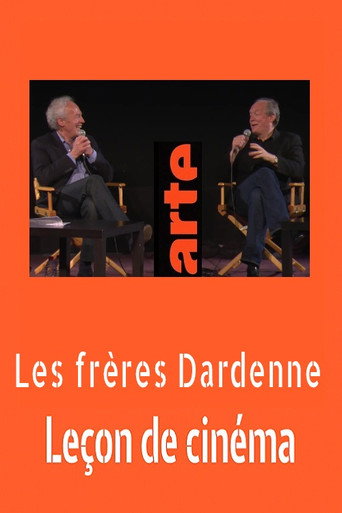
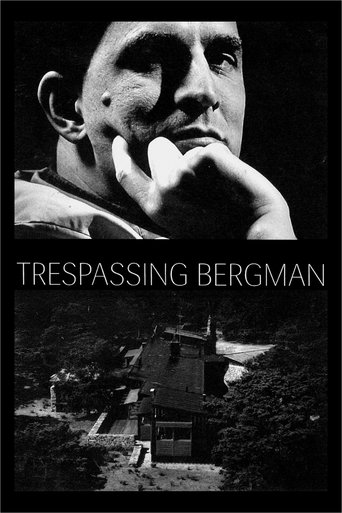
Trespassing Bergman
In the sixties, Swedish filmmaker Ingmar Bergman (1918-2007) built a house on the remote island of Fårö, located in the Baltic Sea, and left Stockholm to live there. When he died, the house was preserved. A group of very special film buffs, came from all over the world, travel to Fårö in search of the genius and his legacy. (An abridged version of Bergman's Video, 2012.)

Chaplin Today: Modern Times
Award-winning filmmakers Jean-Pierre and Luc Dardenne profess their love for the classic "Modern Times." The directors expose their views on the many aspects of the film, Chaplin's brilliancy and they also provide interesting details about the making of Chaplin's masterpiece.
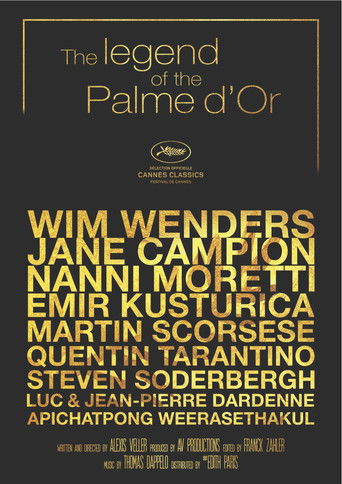
The Legend of the Palme d'Or
From Martin Scorsese to Jane Campion, from Emir Kusturica to Quentin Tarantino, some of the greatest recipients of this trophy recall special moments relating to the award ceremony which closes the Cannes Film Festival. This film brings to light moving and personal stories, as surprising as they are varied, which all contribute to further enhancing the legend of the Palme d’Or.
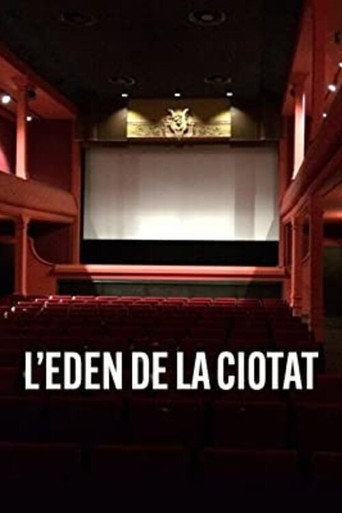
The Eden of La Ciotat
To give creativity free reign, in the space of fifty minutes: this is the strength of the documentary series Cinémas mythiques. This episode gives the critic Alain Bergala complete freedom to commemorate the original Éden de La Ciotat cinema. The oldest continuously operating cinema in the world first opened as a theatre in 1889, but the very same year it also hosted its first commercial film screening, comprised of nineteen Lumière “views”. Threatened with closure in the 1980s, the cinema was reopened in 2013 after a restoration project. This luminous documentary accompanies Jean-Pierre and Luc Dardenne over the course of a few days in October 2021 as they walk through the Teatro Éden, the shipyard and the Palais Lumière built by Antoine Lumière, the father of Auguste and Louis. And it does not forget the legendary station from L’Arrivée d’un train en gare de La Ciotat.
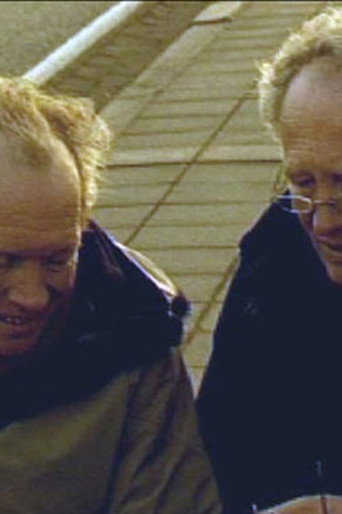
The Home Cinema of the Dardenne Brothers
A “Cinéma, de notre temps” series episode directed by french film filmmaker Jean-Pierre Limosin, originally aired sometime around 2006.
La beauté du geste
A documentary about the act of filmmaking.
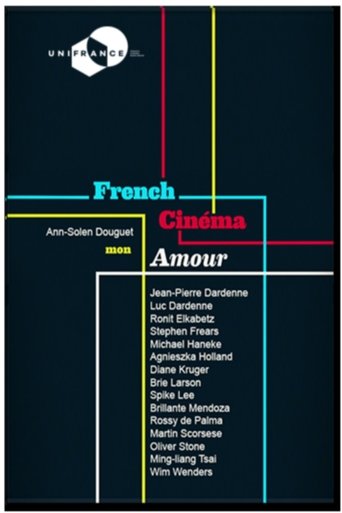
French Cinema Mon Amour
French Cinema Mon Amour is an ensemble film in which each contributor brings their own voice, their own particular approach, their culture, and their language to produce a portrait of French cinema.
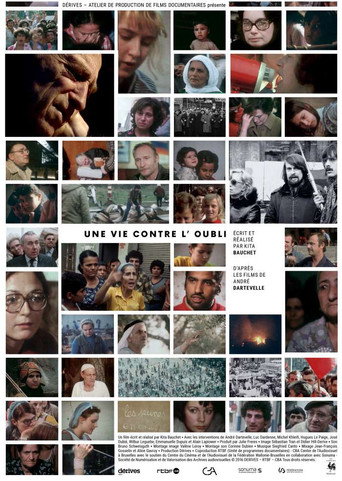
Une vie contre l'oubli
Portrait of Belgian historian, reporter and documentarian André Dartevelle.
Production
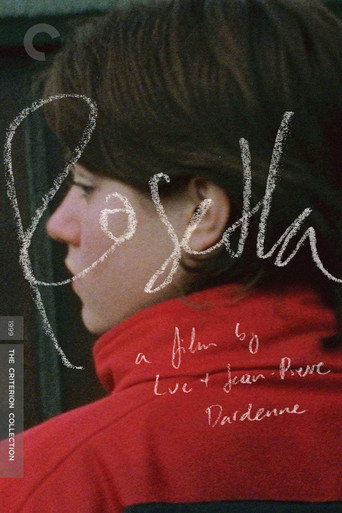
Rosetta
Young, impulsive Rosetta lives a hard and stressful life as she struggles to support herself and her alcoholic mother. Refusing all charity, she is desperate to maintain a dignified job.
Rosetta
Young, impulsive Rosetta lives a hard and stressful life as she struggles to support herself and her alcoholic mother. Refusing all charity, she is desperate to maintain a dignified job.
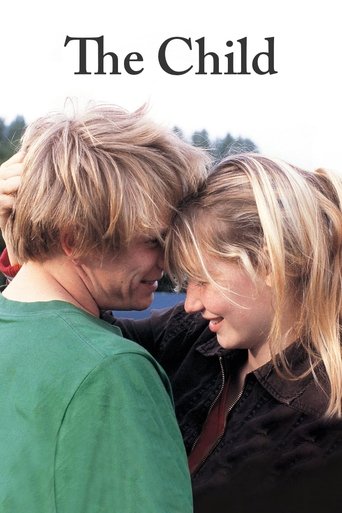
The Child
A poor young Belgian mother wants her petty thief of a boyfriend to be gainfully employed to raise their newborn child, but he has other ideas.
The Child
A poor young Belgian mother wants her petty thief of a boyfriend to be gainfully employed to raise their newborn child, but he has other ideas.
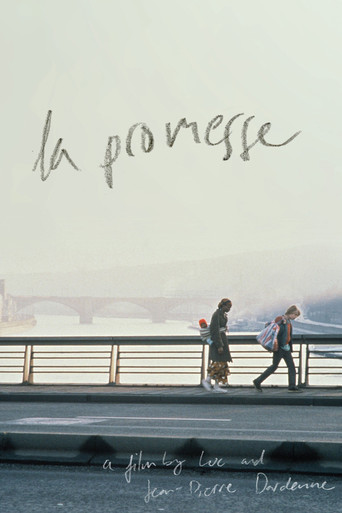
La Promesse
Igor, aged 15, and his father Roger deal in housing and peddling illicit labor in the outlying districts of Liege, Belgium. Scams, lies and swindling rule their lives. When one of his father’s illegal workers gets injured on the job and asks Igor to promise to take care of his wife and baby, Igor finds himself at a crossroad. He wants to keep the promise, but the price would be to betray his father.
La Promesse
Igor, aged 15, and his father Roger deal in housing and peddling illicit labor in the outlying districts of Liege, Belgium. Scams, lies and swindling rule their lives. When one of his father’s illegal workers gets injured on the job and asks Igor to promise to take care of his wife and baby, Igor finds himself at a crossroad. He wants to keep the promise, but the price would be to betray his father.

Lorna's Silence
Lorna is a young Albanian woman in a marriage of convenience with Claudy, a heroin addict. Just as Lorna is about to be granted Belgian citizenship, Claudy finds the strength to detox; this presents a problem not only for Lorna, but for the criminal who brokered the deal.

The Ax
Bruno loved his job as a middle manager at a paper company, but optimistically views being laid off as an opportunity. After two years of searching for a comparable position, optimism turns to desperation. His wife works two jobs, and their marriage slowly deteriorates as their hold on the middle class slips away. Bruno concocts a grimly audacious plan to identify and kill his fellow job applicants so that he is the only qualified person left.
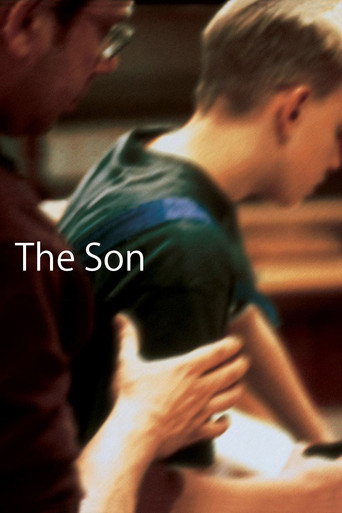
The Son
A joinery instructor at a rehab center refuses to take a new teen as his apprentice, but then begins to follow the boy through the hallways and streets.
The Son
A joinery instructor at a rehab center refuses to take a new teen as his apprentice, but then begins to follow the boy through the hallways and streets.
Gallery