Directing
No biography available.
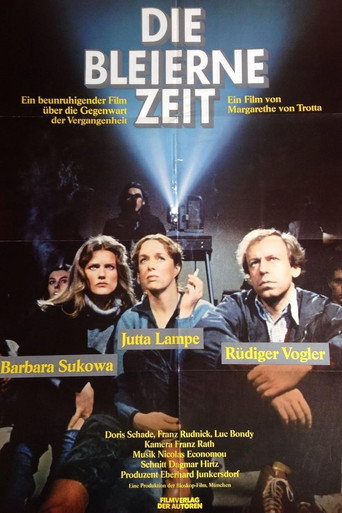
Germany, 1968: The priest's daughters Marianna and Juliane both fight for changes in society, like making abortion legal. However their means are totally different: while Juliane's committed as a reporter, her sister joins a terroristic organization. After she's caught by the police and put into isolation jail, Juliane remains as her last connection to the rest of the world. Although she doesn't accept her sister's arguments and her boyfriend Wolfgang doesn't want her to, Juliane keeps on helping her sister. She begins to question the way her sister is treated.
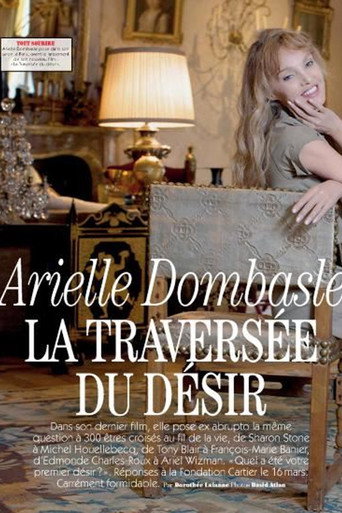
What was your first desire? What did you long for most? Arielle Dombasle put these questions to a wide circle of famous people.
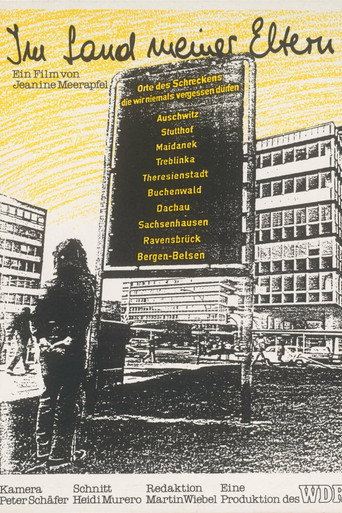
"Had it not been for Hitler, I would have been born a German-Jewish child, more German than Jewish, in a small village in the South of Germany. But as it happened, I was born in Argentina, my mothertongue is Spanish. I came to Germany 17 years ago." It is here, where author and director Jeanine Meerapfel starts searching for her own Jewish identity, being confronted time and time again with Federal Republic reality.
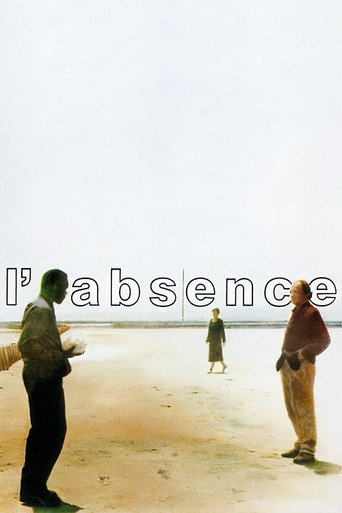
Four nameless people -- the old man, the woman, the soldier, and the gambler -- journey to a desolate wasteland beyond the limits of an unnamed city.
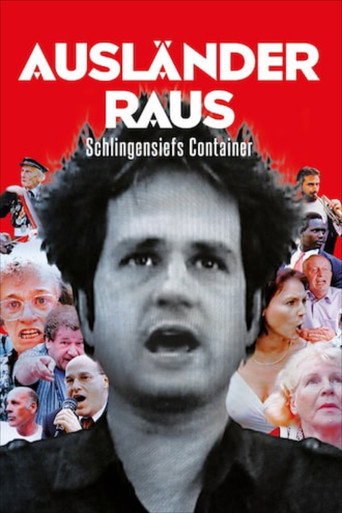
FOREIGNERS OUT! SCHLINGENSIEFS CONTAINER is a thrilling, insightful, funny chronicle and reflection of one of he biggest public pranks and acts of art terrorism ever committed. Austria 2000: Right after the FPÖ under Jörg Haider had become part of the government, the first time an extreme right wing party became state officials after WW2, infamous German shock director Christoph Schlingensief showed a very unique form of protest. Realising public xenophobia and the new hate politics in the most drastic ways possible, he installed a public concentration camp right in the middle of Vienna's touristic heart, right beside the picturesque opera where hundreds of tourists and locals pass by daily. And it was no concentration camp you had ever feared to return from the old times, but one that cynically reflected our new multimedia culture. Satirising reality TV shows, "Big Brother" especially, a dozen asylum seekers were surveilled by a multitude of cameras, could be fed and watched by.
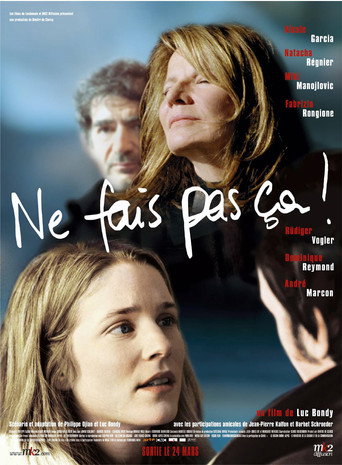
Joël is jealous and violent. After one crisis too many, Nicole, his young wife, returns to live with her parents with their three-year-old son. Joël hangs on, begs, threatens. One day, he kidnaps the little boy.
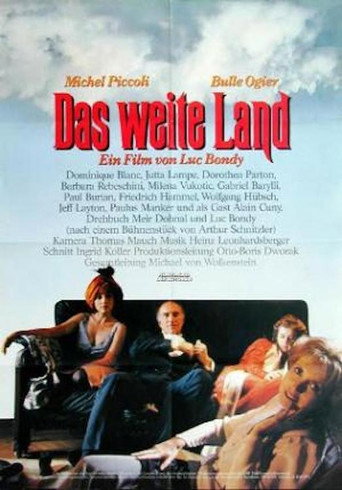
Vienna at the turn of the century: The industrialist Friedrich Hofreiter is a vain, self-important man who is used to taking what he wants and who enjoys exercising power. His tender wife Genia increasingly recognizes his deceitfulness. The Russian pianist Alexei Korsakov, a subtle artist, commits suicide because of her. Hofreiter, on the other hand, travels to the Dolomites with his friend and family doctor Dr. Mauer, who is in love with the young Erna. Hofreiter makes her his lover in front of Mauer's eyes. In turn, he provokes Genia's lover into a duel and shoots him. In the end, there is only emptiness. Faithful adaptation of Arthur Schnitzler's stage play.
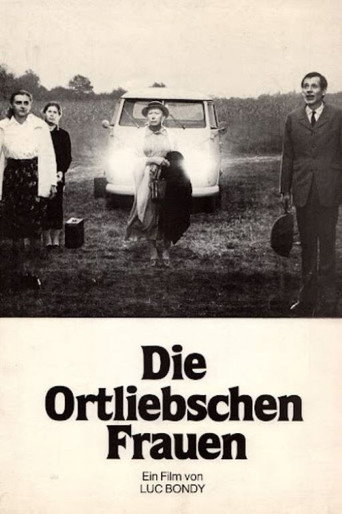
A pessimistic drama about a family struggling to survive after the death of their father. Left behind are the simple-minded mother, the strong-willed daughter Josefine, another sister and a mentally retarded brother. Josefine takes over the reins and looks after the family. She turns her sister into a maid and forces her brother to live in the cellar.
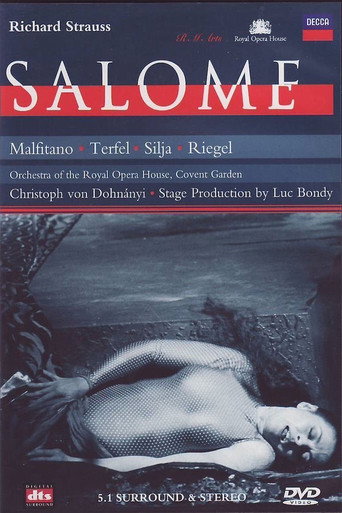
Richard Strauss's opera, from the Royal Opera House, Covent Garden.
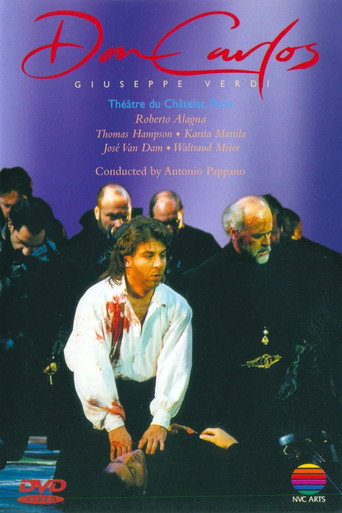
Luc Bondy's 1996 production of Don Carlos was staged, recorded and filmed at the Chatelet in Paris. These seven performances were blessed with an all-star cast, loaded with important singers either starting their careers (Roberto Alagna) or at the height of their dramatic powers (Karita Mattila, Jose Van Dam.)
Dorante, an impoverished young man, is taken on as a secretary by Araminte, a rich widow with whom he is secretly in love. The valet Dubois does all he can to get Araminte to fall in love with Dorante. Following his staging of Marivaux’s comedy at the Odéon theater, Luc Bondy turns the whole theater building into a film studio, placing his actors in the foyer, under the stage, in the kitchens, using the most unusual and unexpected spots to invent a new dynamic between theater and film.