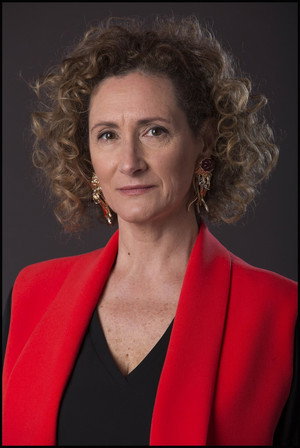
Luísa Cruz Movies, TV Shows, and Filmography
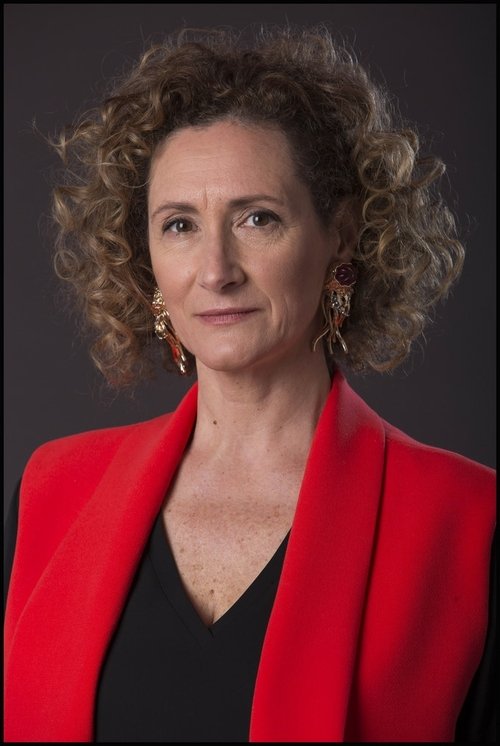
Luísa Cruz
Acting
Biography
Luísa Cruz, stage name of Maria Luísa Paiva Figueiredo da Cruz (born March 6, 1962) is a Portuguese actress.
Filmography Movies
Acting

Salgueiro Maia - The Implicated
On April 25, 1974, a man walked alone in Largo do Carmo. He knocked on the GNR military barracks door and entered, unarmed and without any escorts. Inside, the Government’s chief, Marcelo Caetano, waited, surrounded by the military and the people. The man who stared at him that afternoon and demanded surrender, guaranteeing his safety, had just led Santarém’s Artillery 1 regiment in taking the capital. Without firing a single shot, he managed to overthrow a regime that was over 48 years old. That was the last step to take and he took it, without hesitation, becoming the unavoidable figure of the day that marked the beginning of democracy in Portugal
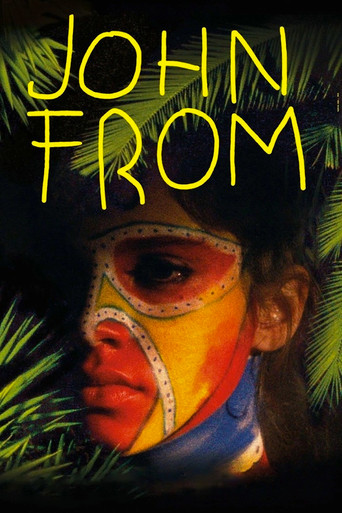
John From
Rita is fifteen and spends the summer between warm afternoons of teenage love and party nights with her friend Sara. From Portugal to the South Pacific, the pleasures of this routine will take a turn when the young girl visits the art show of a new neighbor in the local community.
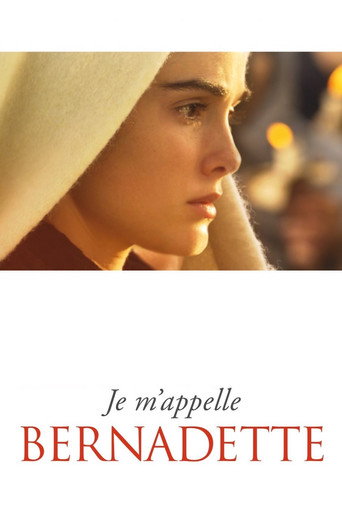
My Name Is Bernadette
Between February and July 1858, in the Massabielle cave, the Virgin appeared eighteen times to Bernadette Soubirous, a miserable little girl from Lourdes. A true revolution in the heart of the Second Empire that shakes the established order by his universal message of love and prayer.
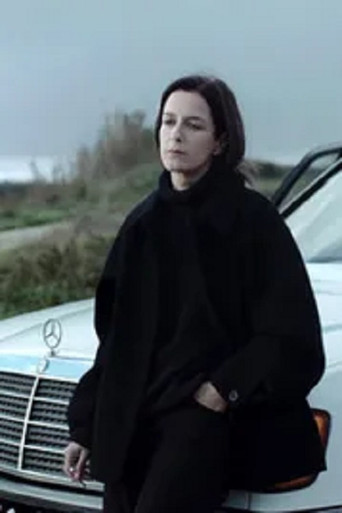
Ouro e Cinza
Searching for redemption, a mother and a daughter go beyond their limits to break free from their comfortable but suffocating lives. A narrative of hallucinogenic qualities, pierced by moments of clarity.
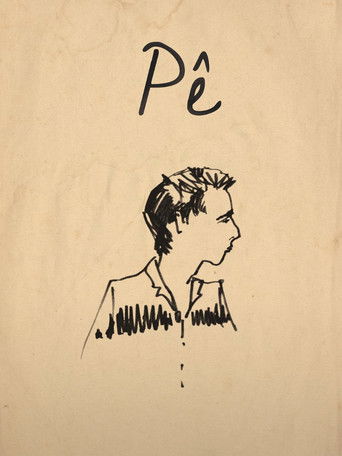
Pê
Pê, a man with terminal cancer, wanders through his city, Lisbon. Throughout the day, he is confronted with a reality unaware of his suffering while he prepares his imminent death by writing a farewell letter to his daughter. When emptying her father’s house, the daughter discovers the letter. It is the beginning of a new encounter.
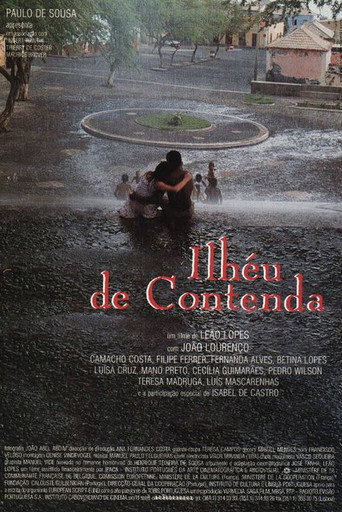
The Island of Contenda
Cape Verde, 1964. At the feet of a mighty volcano, the traditional Cape Verdean society is undergoing a steady change. The old land-owning aristocracy is disintegrating. A class of "mulattos" begins to emerge, with a trade-based financial power that threatens the landlords. A new identity arises, a mix of old and new, of African and Portuguese culture, sensual and dynamic. The songs of Cesária Évora follow this inevitable transformation. From the novel by Henrique Teixeira de Sousa.
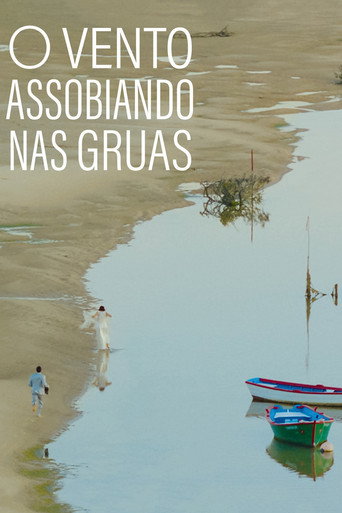
The Fortunate Ones
Algarve, late 90s. Following the death of her grandmother, Milene - a strong young woman full of life despite a slight mental handicap - divides her life between her family of notables and a Cape Verdean family that keeps her going, whom she met when her grandmother died. The wind that whistles in the cranes plunges us into the world of two families against the backdrop of Portugal's recent past.
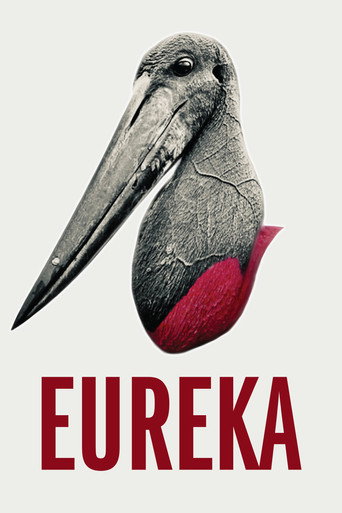
Eureka
A cowboy arrives in a town in search of his daughter, a native policewoman arrests various offenders in a snowy landscape, while her niece, a basketball coach, reunites with her grandfather for a decisive journey that will shape her future, and a bird flies through time and space and begins to enter the minds and dreams of a native tribe in the Amazon jungle.
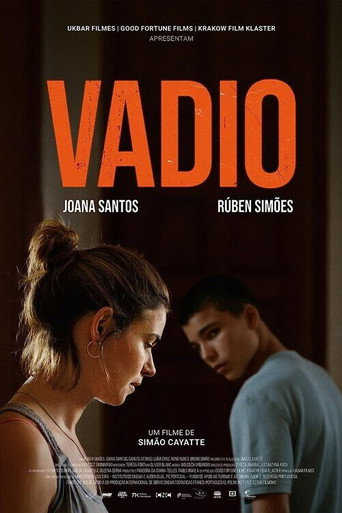
Vadio
Thirteen year-old André lives isolated with his father in the dry region of Alentejo, helping with his water well drilling business instead of going to school. When his father suddenly disappears, André must turn to the only neighbor in miles, a young mother named Sandra, as the only chance of finding him.
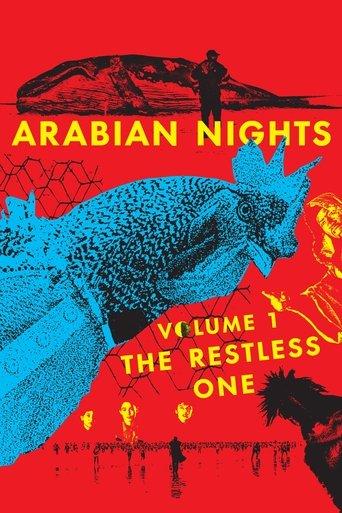
Arabian Nights: Volume 1, The Restless One
Every night, in danger of being beheaded, Scheherazade tells King Shahryar unfinished tales to continue them the following night, hence defying his promise of murdering his new wives after their wedding night. Scheherazade tells King Shahryar her stories but these are not those in the book. As in the book, these stories are tragic and comical, with rich and poor, powerless and powerful people, filled with surprising and extraordinary events.
Gallery