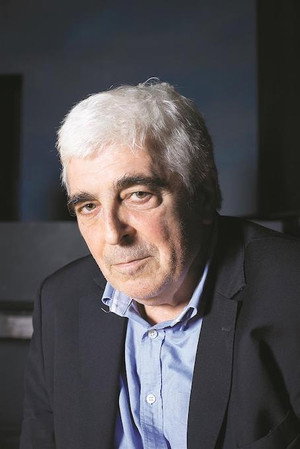
Luís Miguel Cintra Movies, TV Shows, and Filmography
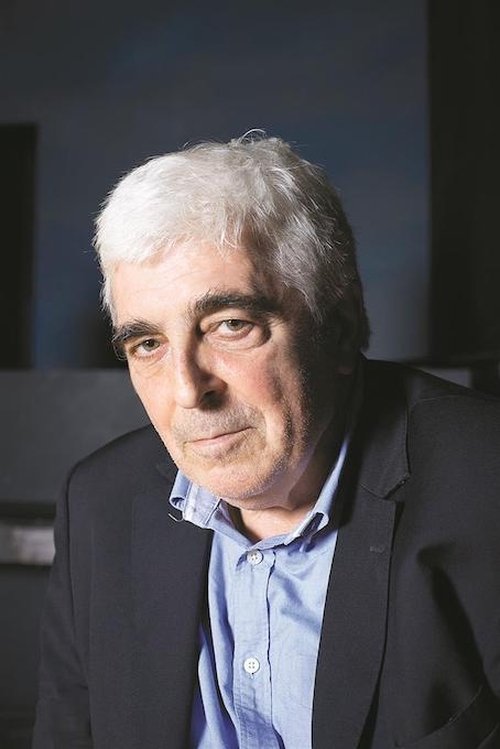
Luís Miguel Cintra
Acting
Biography
An iconic actor and stage director in Portugal, Luís Miguel Cintra was born in Madrid, in 1949. His connection to theater began in 1968, at the Faculty of Letters Theater Group, when he was studying Romance Philology at the University of Lisbon. From 1970 to 1972, he attended the Acting Technical Course, in the Bristol Old Vic Theatre School, thanks to a scholarship from the Calouste Gulbenkian Foundation. When he returned to Portugal, he founded, along with Jorge Silva Melo, the Teatro da Cornucópia Company, in 1973, where he directed plays by some of the great names in theater, including Aeschylus, Sophocles, Shakespeare, Brecht, Beckett, Strindberg, and many others, almost always participating as an actor in the plays he directed. At the same time, until the 80s, he was a theater critic for O Tempo e o Modo magazine and he managed the Seara Nova Theater Collection, from Estampa publishing house, and the Theater Collection, from Ulmeiro publishing house. As a reader, Luís Miguel Cintra recorded complete readings of Viagens na Minha Terra, by Almeida Garrett and Amor de Perdição, by Camilo Castelo Branco, as well as poems by Pessoa, Sophia de Mello Breyner, Camões, Antero de Quental and Ruy Belo. In 1987, Cintra made his debut as an opera stage director, with L'Enfant et les Sortilèges, by Ravel and Dido and Aeneas, by Purcell, at the Teatro Nacional de S. Carlos. In the following years, he directed operas by Mozart, Haydn, Cherubini, among others. He worked with the Teatro Nacional de S. Carlos Choir and the Gulbenkian Choir, as a reader, in recitals by authors such as Schubert, Liszt, Sati and Poulenc. In 1984, he entered the Venice Biennial Theater Festival with his group and in 1988 he directed the show La Mort du Prince et Autres Fragments, by Fernando Pessoa, for the Avignon Festival. Later, he kept on presenting plays in Italy, France, Spain and. Belgium In addition to the theater, Luís Miguel Cintra began his career in cinema early, making his debut in a short film by João César Monteiro. From that point until now, he worked in over 70 films, with directors like the aforementioned João César Monteiro, Paulo Rocha, Manoel de Oliveira, Joaquim Pinto, João Botelho, Teresa Villaverde, Pedro Costa and the American John Malkovich. His many awards include two Bordalo da Casa da Imprensa Awards for Best Acting in Film (1995) and Best Acting in Theater (1997), two Globos de Ouro for Theater Personality of the Year (1999) and Best Theater Actor (2003), the Coimbra University Award and the Pessoa Prize, both in 2005. The LEFFEST will pay tribute to Luís Miguel Cintra’s work as an actor, through a selection of films he starred in; and as a stage director, showing recordings of some of the plays, followed by discussions with the audience and several actors he worked with.
Filmography Movies
Acting
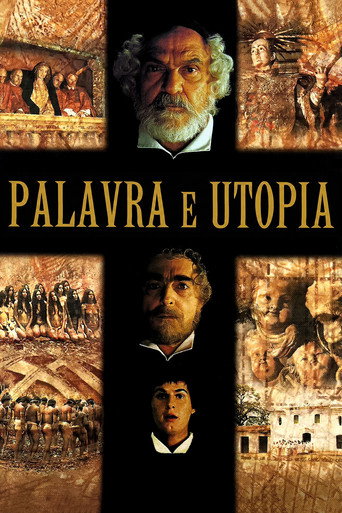
Word and Utopia
The story of Father Antonio Vieira, a 17th-century Portuguese priest who lived in Brazil and worked for better treatment of the Indians and to abolish slavery.
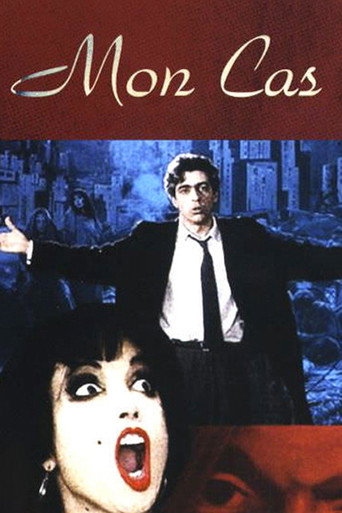
My Case
Manoel de Oliveira plays his film in three stages: the first part - a play, the second can be roughly defined as a silent film (with the behind the scenes read excerpts from Beckett works), but in the end the director brilliantly performs the same material of the avant-garde exercise. Surprisingly, a joke, repeated three times, each time everything sounds fresh and develops into an almost verbatim adaptation of the biblical "Book of Job" - a spectacular point in a parable about how hard to empathize with other people's misery, when you have your own.
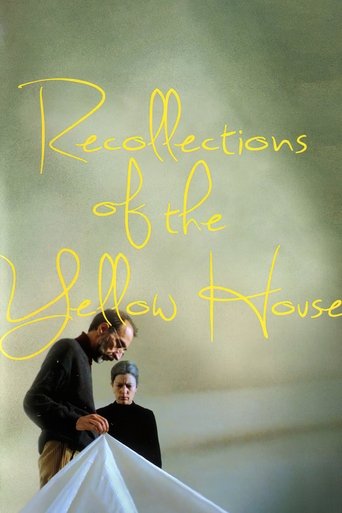
Recollections of the Yellow House
Lisbon, 1989. A middle-aged poor man, tormented by an illness, lives in a cheap room in a family boarding house, in the old section of the city's waterfront.
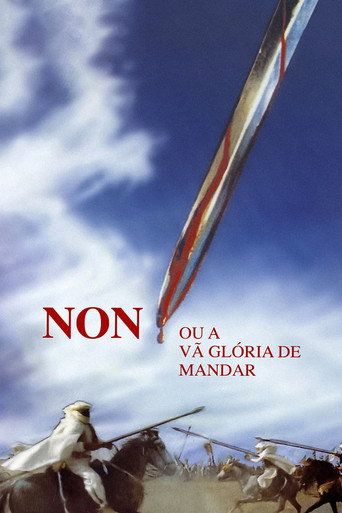
No, or the Vain Glory of Command
Episodes from throughout the entire military history of Portugal are told through flashbacks as a conscripted student of history recounts them to his fellow soldiers while they march through an African colony in revolt during 1973.
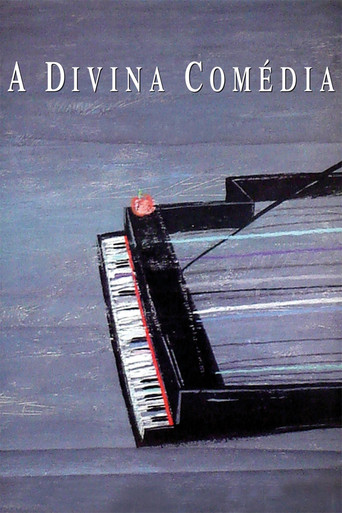
The Divine Comedy
In a mental institution the patients see themselves as people like Jesus, Lazarus, Martha, Mary, Adam, Eve, Sonia, Raskolnikov, Aliosha e Ivan Karamasov, a Philosopher, a Profet, Santa Teresa d'Avila, reciting the Divine Comedy.
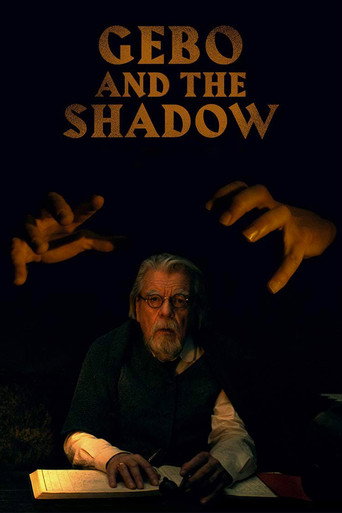
Gebo and the Shadow
Despite his age and general weariness, Gebo keeps on working as an accountant to provide for his family. He lives with his wife, Doroteia, and his daughter-in-law, Sofia, but it is the absence of João, son and husband, that worries them.Gebo seems to be hiding something, especially to Doroteia, who is anxiously waiting to see her son again. Sofia is also waiting for her husband to come home, and yet she fears him. All of a sudden, João arrives and everything changes.
Romance de Vila do Conde
Manoel de Oliveira's homage to Vila do Conde, with a poem by José Régio. It was shot in 1965, but only completed in 2008.
The Satin Slipper
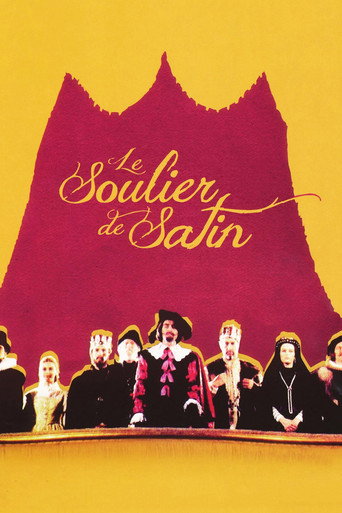
During the century of the Spanish Gold, Doña Prouhèze, wife of a nobleman, deeply loves Don Rodrigo, who is forced to leave Spain and go to America. Meanwhile Prouhèze is sent to Africa to rule the city of Mogador. Ten years later Rodrigo leaves America and travels to Africa in search of Prouhèze to find out that she died and eventually meeting her daughter.

Second Hand
Jorge is a loner and a writer of popular books. At night, he looks through other people's windows and thinks that they are truly happy.
Here on Earth
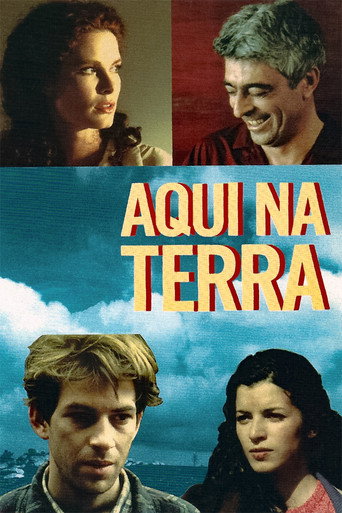
Miguel (Luis Miguel Cintra) is lucky that his income will only level off if he neglects his business as a financier, and his wife and family will be well supported. Why? Because he has begun hearing noises that no one else hears, noises that bother him a great deal, and that make it impossible for him to bear human society. His wife (Jessica Weiss) is thoroughly put out by this radically changed behavior in her formerly good husband, but though she considers leaving him, she stays by his side. Deep in the mountains, Cecelia (Rita Dias), a devout, pure young cowherd, has been brutally raped by an old man. Her boyfriend (Pedro Hestnes) has killed the rapist, and fled the area. As a result of the rape, Cecelia is pregnant. One day, while driving in the mountains, Miguel gives Cecelia's boyfriend a ride. The two of them chance upon her sitting amid the rocks with her infant baby.
Production
Music for Herself
A woman arrives home, apparently coming from her job, and sets out about house chores and placing every object around her with extreme care. The only company she has is the radio, tuned to a station of popular music hits that the audience can ask for by telephone. There is a single hint that she may have breast cancer. Then, she sets the table for a large dinner - for one - including a champagne bottle. She commits suicide by pills overdose, before she utters a word.
Music for Herself
A woman arrives home, apparently coming from her job, and sets out about house chores and placing every object around her with extreme care. The only company she has is the radio, tuned to a station of popular music hits that the audience can ask for by telephone. There is a single hint that she may have breast cancer. Then, she sets the table for a large dinner - for one - including a champagne bottle. She commits suicide by pills overdose, before she utters a word.
E Não se Pode Exterminá-lo?
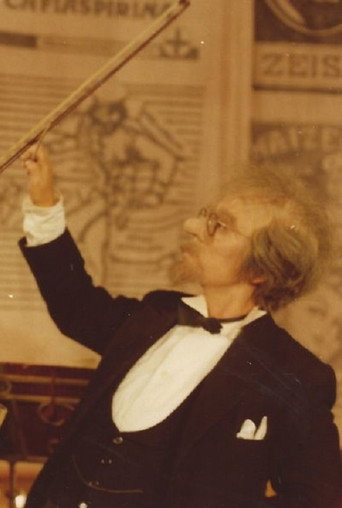
The film of a performance of a selection of cabaret comedy sketches by Karl Valentin, with Jorge Silva Melo as stage director. The show was a complete success and has become almost legendary. Solveig Nordlund shot it, adding some more sketches that weren’t included on the show.
Gallery