Acting
No biography available.
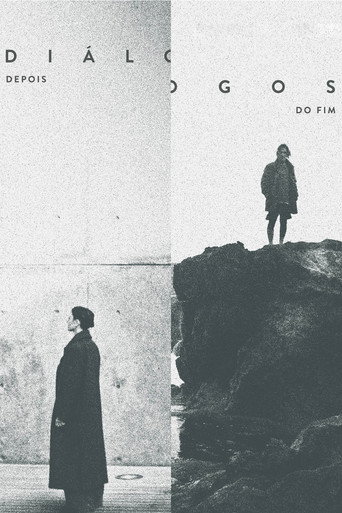
Pavese considered Dialogues with Leucò his best work. Eloquent and at the same time sententious and fragile, but implausible among humanized gods, demigods, heroes, and other pagan figures of Greek mythology, who question, through the imaginary of myths, the society of contemporary man. Out of a time and a certain space, and thus, and like all myths, always current.
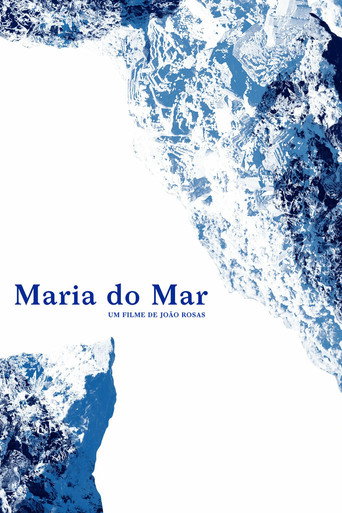
It's a summer weekend in a country house near Sintra, in Portugal. Fourteen-year-old Nicolau is spending a couple of days with his older brother Simão and his friends, all of them in their late twenties. Everyone is drawn to the beautiful and quiet Maria do Mar, but Nicolau will see his life the most deeply shaken by her. Between homework and tree-climbing, stories about a deceased philandering grandfather and the origins of the tortellini's shape, a friend in a costume nursing a broken heart and seduction games, Nicolau observes this group of young adults.
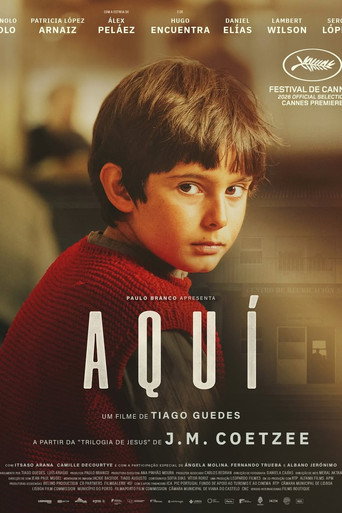
In a new land where everyone receives a new name and begins again without a past, Simón takes responsibility for David, a child he met on the crossing to a new life. Driven by an inexplicable conviction, he sets out to find the boy’s mother despite the fact David remembers nothing about her. When he recognizes Inés as the right woman, she accepts the role and an unlikely bond forms between them. While society imposes rules and treats difference as a threat, David resists being shaped and stands for imagination and freedom.
Every day after school, two friends walk the path from school to home. And it's in this interval between the two points, without adults lurking, that they explore the world and create their own.