Writing
No biography available.
Wanderings during the Cannes and Hyères 1966 festivals. Interviews with Louise de Vilmorin, Jean-Luc Godard, Robert Bresson, Jacques Rivette, Jean-Louis Comolli, François Truffaut. Lunch on the grass of the Cahiers du cinéma, young onlookers on mopeds, children from the surrounding villages, the film portrays an era, a cinephilia, a cinema still in balance between art and industry.
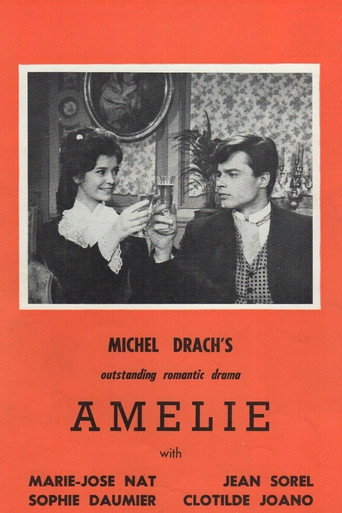
The vagaries of love are often tragic, as Amelie ou le Temps d'Aimer seems to say. Directed by Michel Drach in his second try at a feature-length film, the well-wrought romance revolves around the love that develops between Amelie (Marie-Jose Nat) and her cousin Alain (Jean Sorel). Amelie is an orphan who lives with Alain and his family on an island off the coast of France. Alain has dreams of working as a seaman, while Amelie works for Alain's father. The budding romance between the two takes a nose-dive when Alain falls for a glamorous actress who shows up on the island one day. Not mature enough yet to make a wise choice, Alain's betrayal of Amelie turns out to be a grievous mistake.
A shallow, provincial wife finds her relationship with her preoccupied husband strained by romantic notions, leading her further towards Paris and the country wilderness.
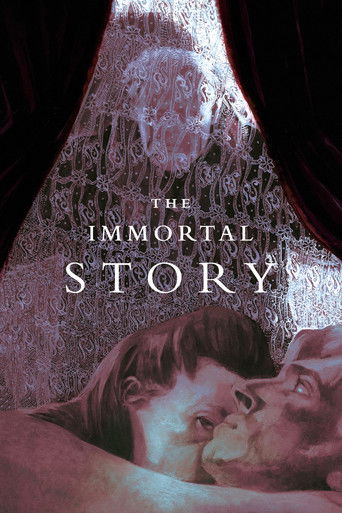
An aged, wealthy trader plots with his servant to recreate a maritime tall tale, using a local woman and an unknown sailor as actors.
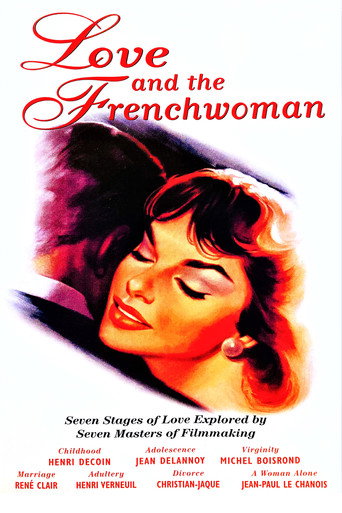
The seven stages in the life of the modern Frenchwomen are disclosed by seven directors in a witty way: 1 - Childhood, 2 - Adolescence, 3 - Virginity, 4 - Marriage, 5 - Adultery, 6 - Divorce, 7 - The Single Woman.
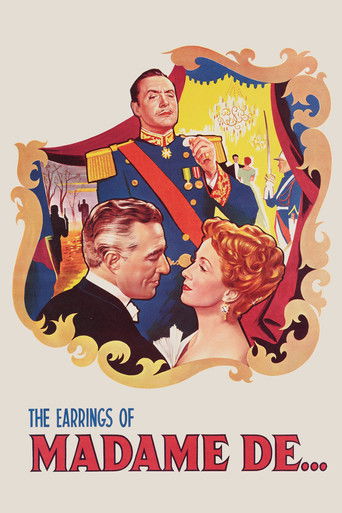
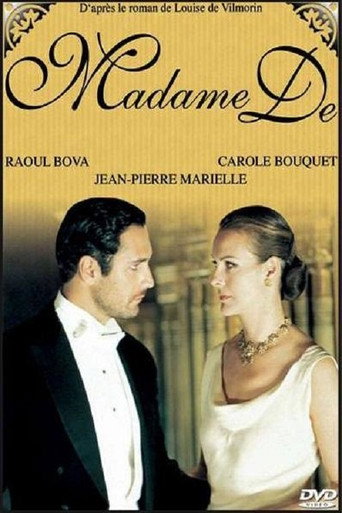
In late 19th century France, the Countess Louise, wife of a wealthy general, sells the earrings her husband gave her on their wedding day to pay off her secret debts, then claims to have lost them. Her husband quickly learns of the deceit, which is the beginning of many tragic misunderstandings, all involving the earrings, the general, the countess, and her new lover, the Italian Baron Donati.
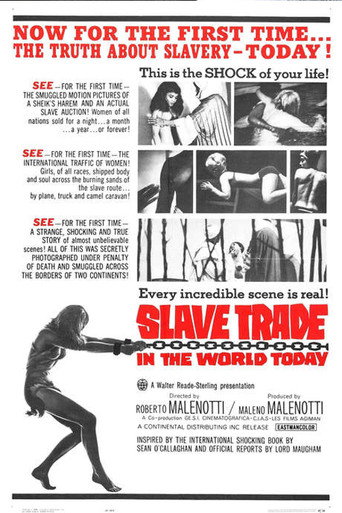
The film documents modern slave trade through a number of African countries, under dictatorship rule. The filming was conducted both in public places, and sometimes with the use of hidden cameras, for high impact scenes of nudity, sex, and violence - and a few surprises, as slaves made out of peregrins to Asia, and slave traders paid in traveller checks.
The action takes place in Paris in the 30-ies. The Countess Louise de... has made debts and she urgently needed cash. She decided to sell the family jeweler Remy earrings — a gift from her husband…
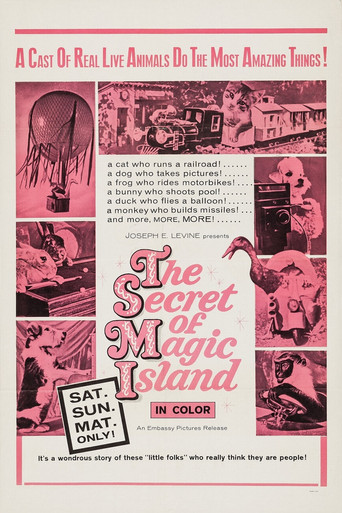
The carnival is coming to town! Unfortunately, the Good Fairy's wand is stolen by the diabolical Black Troll. And he turns The Poet's girlfriend to stone! It's up to The Poet to brave the darkness at the edge of the forest and journey to the Troll's mountain lair to save the day! Also the Black Troll is a monkey and The Poet is a duck. FYI.
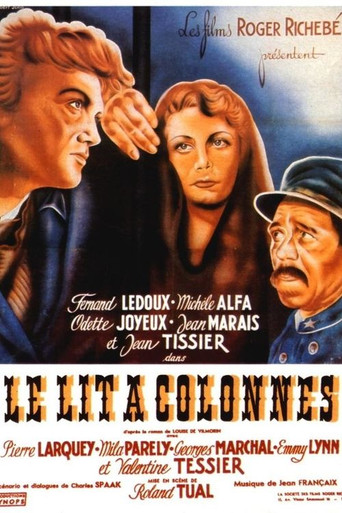
In his prison cell, the composer Remi Bonvent composed an opera, The columns bed. The director of the prison, Porey Cave, succeeds made believe he is the author of this work. The death of the two protagonists will prevent the discovery of the truth.
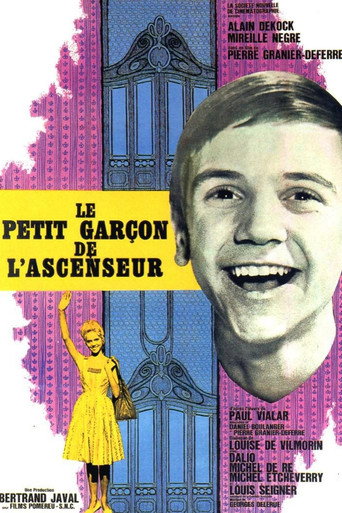
A young boy is hired as a lift attendant in a grand hotel when his mother dies. To fulfill his dream, he takes part in a competition organized by the manager, and wins 1st prize: a two-day stay in one of the princely suites. He wants to share the experience with his young girlfriend, the florist, but discovers that she has betrayed him and returns to her elevator.