Directing
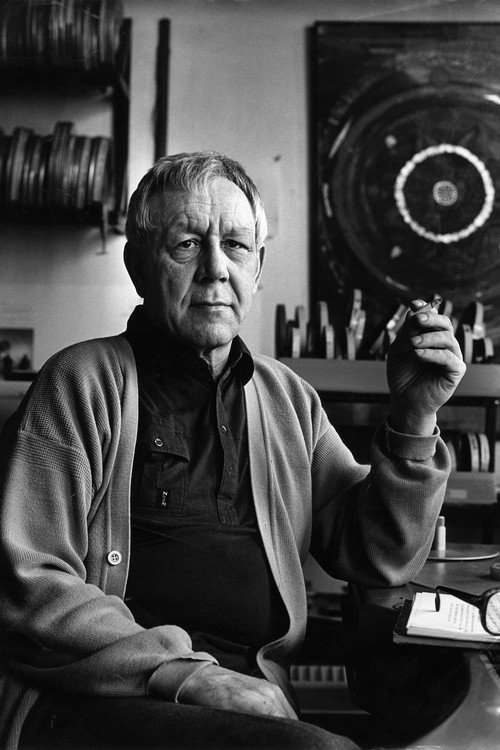
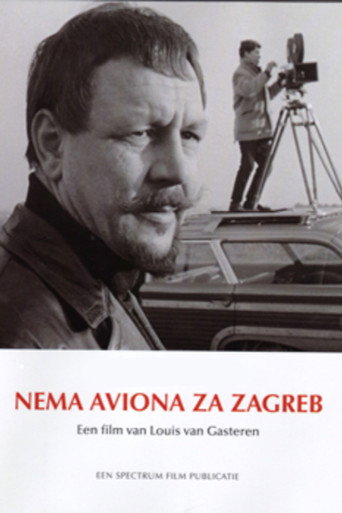
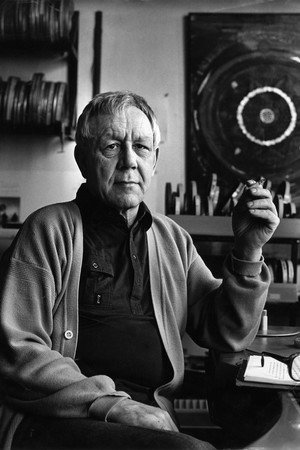
Louis Alphonse van Gasteren (20 November 1922 – 10 May 2016) was a Dutch film director, film producer, and artist.
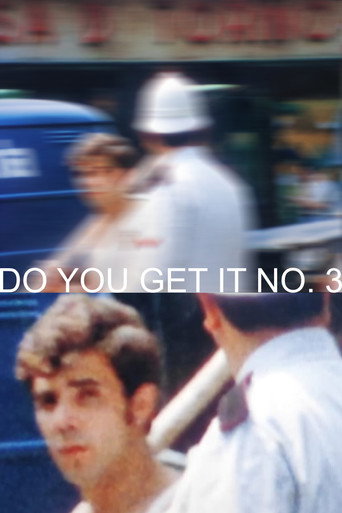
Do You Get It No. 3 deals with the behaviour of people who notice they are being filmed, without the viewer being directly aware of this. Van Gasteren films a traffic officer and the chaotic traffic at a busy intersection in Salerno, Italy. A passer-by seems to modify his behaviour the moment he notices that he’s being filmed. Van Gasteren analyses, image by image, what happens on the street and what role the camera plays in this.
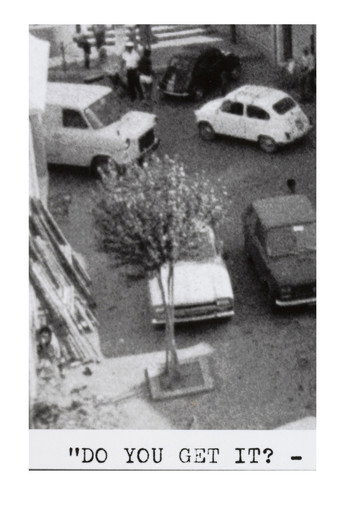
Footage of a sunny village square in Sardinia leads to humorous, philosophical reflections on reality and the role of the ‘objectively recording’ documentary maker. Van Gasteren sees the square as a backdrop in his film, and the chance passers-by as extras. Then, as a ‘director of reality’, he gives an ironic commentary on what he sees. “For a moment I thought, from what source of information am I thinking up what I see. Or, did I just see exactly what I thought.”
Amsterdam is besieged by an alliance of Kennemers and Waterlanders, prepared to exact heavy vengeance on lord Gysbreght van Aemstel, the last remaining murderer of count Floris V. Filmed performance of Joost van den Vondel's classic play.
A retrospective of events in director Louis van Gasteren’s life from 1964 to 1969, filmed by him in that period and reflected on from his vantage point over 40 years later at the age of 90.
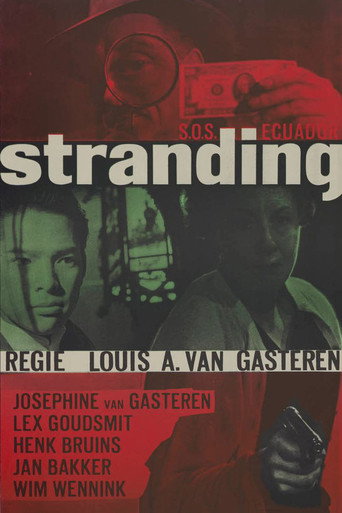
In Rotterdam, Baas (Lex Goudsmit) sells a batch of fake diamonds to a gang of international con-men. They pay in dollars: a suitcase full of banknotes is sent on a ship from Rotterdam to Hamburg. The wife of one of the gang members (played by Josephine van Gasteren – sister of director Louis) accompanies it to keep an eye on things. But the ship strands off the island of Terschelling and a race ensues between Baas, the gang, the shipowner and the insurer to get to the ship first and secure the case of money.
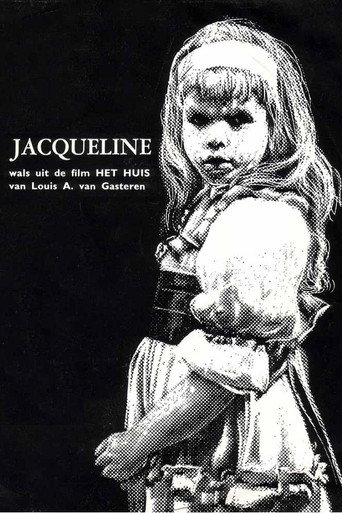
As a house is demolished, flashbacks are shown of the lives of the people who lived in it.
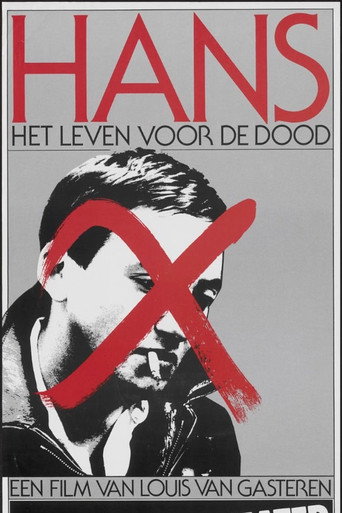
Hans: Het Leven voor de dood (Hans, Life Before Death) is a documentary feature film about the life of the young composer Hans van Sweeden (1939-1963) and those who knew him intimately. The film is about the harrowing life of the musician, poet and actor Hans van Sweeden (1939-1963), who ended his life at the age of 24. Simultaneously, the film offers a poignant portrait of his contemporaries in the turbulent fifties and sixties and the children of the Nazis. It won the Golden Calf for Best Feature Film in 1983. Award of the Dutch film critics, 1983; the Belgian film critics Award, 1984; Best Dutch Documentary 1980-1990. (Wikipedia)
Short film documenting a performance by poet Ted Jones in combination with music by the Peter Kuiters Modern Jazz Group.
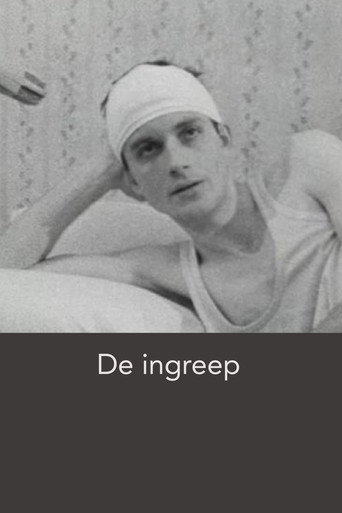
Short documentary where a student of medicine describes an experiment for which he drilled a small hole in his forehead in order to achieve a higher state of being
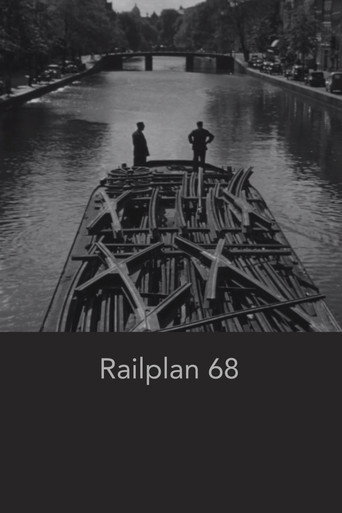
Short documentary about the construction of tramlines in the centre of Amsterdam
More than thirty years ago, Louis van Gasteren made the documentary BEGRIJPT U NU WAAROM IK HUIL? about a therapeutic LSD session that professor Jan Bastiaans did with a traumatised ex-prisoner of German concentration camps. The patient died in late 2000 at the age of 81. He left a wife and three children. Poignant conversations with the widow and youngest son, and excerpts from letters from the other two children reveal that a concentration camp syndrome can also inflict deep wounds in those who have not personally experienced it.