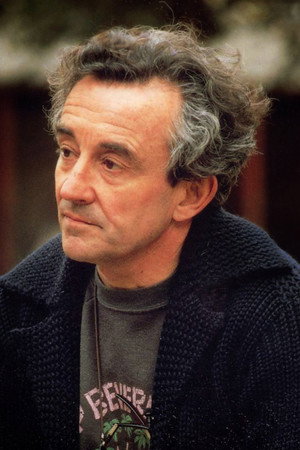
Louis Malle Movies, TV Shows, and Filmography
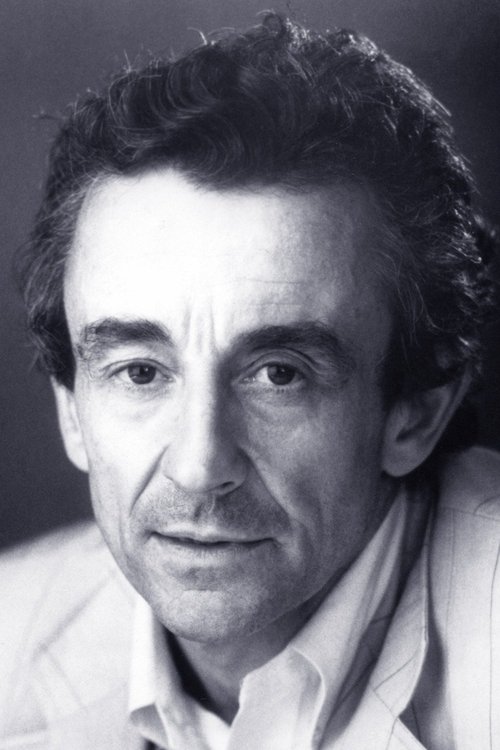
Louis Malle
Directing
Biography
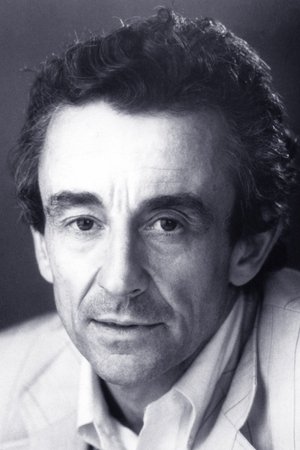
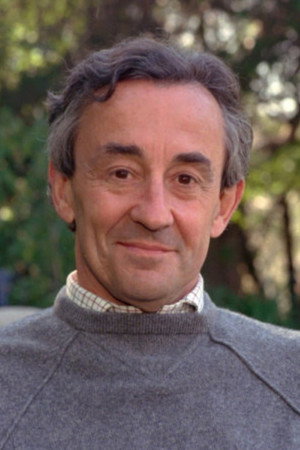
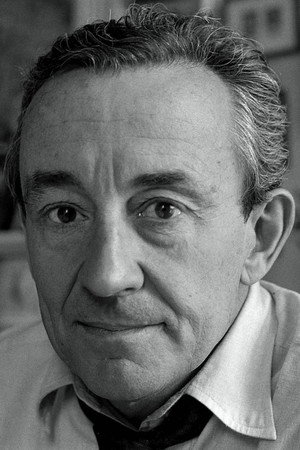
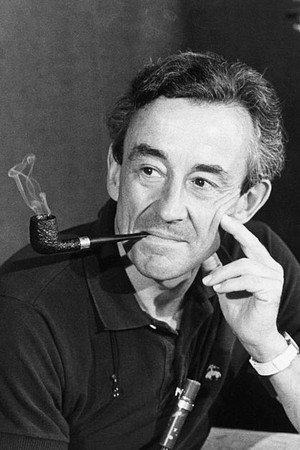
Louis Marie Malle (30 October 1932 – 23 November 1995) was a French film director, screenwriter, and producer. His film "The Silent World" won the Palme d'Or in 1956 and the Academy Award for Best Documentary in 1957, although he was not credited at the ceremony with the award instead being presented to the film's co-director Jacques Cousteau. Later in his career he was nominated multiple times for Academy Awards. Malle is also one of the few directors to have won the Golden Lion multiple times. Malle worked in both French cinema and Hollywood, and he produced both French and English language films. His most famous films include the crime film "Elevator to the Gallows" (1958), the World War II drama "Lacombe, Lucien" (1974), the romantic crime film "Atlantic City" (1980), the comedy-drama "My Dinner with Andre" (1981), and the autobiographical film "Au Revoir les Enfants" (1987). Malle was born into a wealthy industrialist family in Thumeries, Nord, France. He initially studied political science at Sciences Po before turning to film studies at IDHEC instead. He assisted Robert Bresson on "A Man Escaped" (1956) before making his first feature, "Elevator to the Gallows" (1958), a taut thriller featuring an original score by Miles Davis, which made an international film star of Jeanne Moreau, at the time a leading stage actress of the Comédie-Française. Malle was 24 years old. Malle's "The Lovers" (1958), which also starred Moreau, caused major controversy due to its sexual content, leading to a landmark U.S. Supreme Court case regarding the legal definition of obscenity. Malle is sometimes associated with the nouvelle vague movement, and while Malle's work does not directly fit in with or correspond to the auteurist theories that apply to the work of Godard, Truffaut, Chabrol, Rohmer and others, and he had nothing whatsoever to do with the Cahiers du cinéma, his films do exemplify many of the characteristics of the movement, such as using natural light and shooting on location, and his film "Zazie dans le Métro" (1960), an adaptation of the Raymond Queneau novel, inspired Truffaut to write an enthusiastic letter to Malle. In 1968 Malle visited India and made a seven-part documentary series "Phantom India" (1969), which was released in cinemas. Concentrating on real India, its rituals and festivities, Malle fell afoul of the Indian government, which disliked his portrayal of the country, in its fascination with the pre-modern, and consequently banned the BBC from filming in India for several years. Malle later claimed his documentary on India was his favorite film. Malle later moved to the United States and continued to direct there. Just as his earlier films such as "The Lovers" helped popularize French films in the United States, "My Dinner with Andre" was at the forefront of the rise of American independent cinema in the 1980s.
Filmography Movies
Acting

La Vie de Bohème
Three penniless artists become friends in modern-day Paris: Rodolfo, an Albanian painter with no visa, Marcel, a playwright and magazine editor with no publisher, and Schaunard, a post-modernist composer of execrable noise.

A Very Private Affair
After achieving fame as a movie star, a woman finds her private life invaded by relentless fans, leading her mother’s ex-lover to intervene and offer protection.

Becoming Cousteau
Adventurer, filmmaker, inventor, author, unlikely celebrity and conservationist: For over four decades, Jacques-Yves Cousteau and his explorations under the ocean became synonymous with a love of science and the natural world. As he learned to protect the environment, he brought the whole world with him, sounding alarms more than 50 years ago about the warming seas and our planet’s vulnerability. In BECOMING COUSTEAU, from National Geographic Documentary Films, two-time Academy Award®-nominated filmmaker Liz Garbus takes an inside look at Cousteau and his life, his iconic films and inventions, and the experiences that made him the 20th century’s most unique and renowned environmental voice — and the man who inspired generations to protect the Earth.
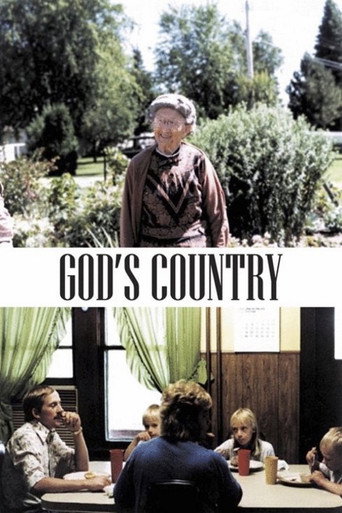
God's Country
In 1979, Louis Malle films the thriving lives of a Minnesota farming community, but returns six years later to document its drastic economic decline, offering a poignant look at the impact of political changes.

Un metteur en ordre: Robert Bresson
A documentary, originally produced in 1966 for the French TV series "Pour le plaisir," about Robert Bresson's film "Au Hasard Balthazar," featuring interviews and discussions with Bresson, Jean-Luc Godard, Louis Malle, Marguerite Duras and others.
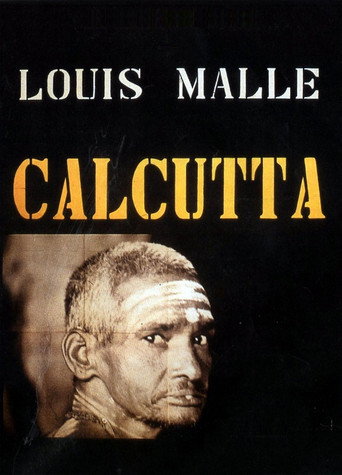
Calcutta
When he was cutting "Phantom India," Louis Malle found that the footage shot in Calcutta was so diverse, intense, and unforgettable that it deserved its own film. The result, released theatrically, is at times shocking—a chaotic portrait of a city engulfed in social and political turmoil.
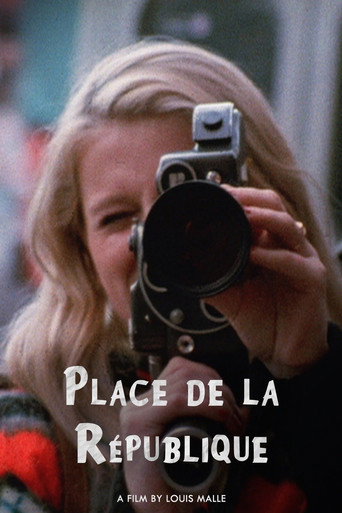
Place de la République
Louis Malle presents his entertaining snapshot of the comings and goings on one street corner in Paris.
… And the Pursuit of Happiness
In 1986, Louis Malle examines the immigrant experience in America by interviewing newcomers from various professions nationwide, highlighting their struggles in a multicultural society.
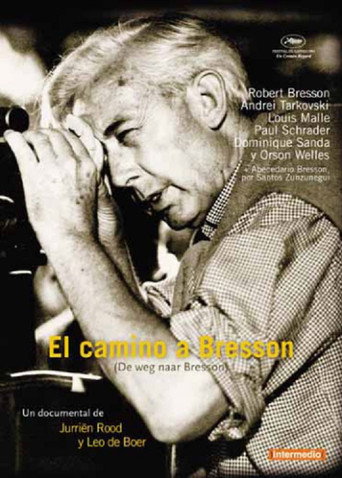
The Road to Bresson
A Dutch documentary about legendary French filmmaker Robert Bresson.
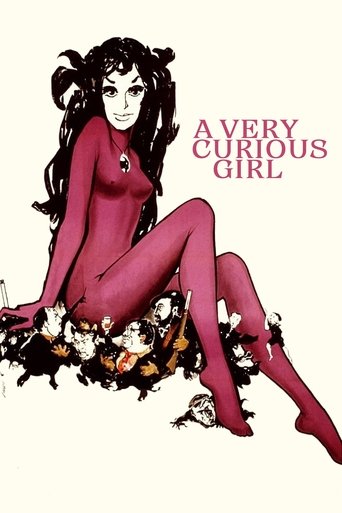
A Very Curious Girl
Treated as an outcast and exploited by the villagers of a small town, a young woman liberates herself through sex, which she uses as a tool of economic gain and an instrument of revenge against those who have wronged her.
Production

Elevator to the Gallows
A self-assured businessman murders his employer, husband of his mistress, which unintentionally provokes an ill-fated chain of events.
Elevator to the Gallows
A self-assured businessman murders his employer, husband of his mistress, which unintentionally provokes an ill-fated chain of events.

May Fools
During the events of May 1968 in France, different worldviews of conflicting relatives collide in their family estate.
May Fools
During the events of May 1968 in France, different worldviews of conflicting relatives collide in their family estate.
May Fools
During the events of May 1968 in France, different worldviews of conflicting relatives collide in their family estate.

Au Revoir les Enfants
Au revoir les enfants tells a heartbreaking story of friendship and devastating loss concerning two boys living in Nazi-occupied France. At a provincial Catholic boarding school, the precocious youths enjoy true camaraderie—until a secret is revealed. Based on events from writer-director Malle’s own childhood, the film is a subtle, precisely observed tale of courage, cowardice, and tragic awakening.
Au Revoir les Enfants
Au revoir les enfants tells a heartbreaking story of friendship and devastating loss concerning two boys living in Nazi-occupied France. At a provincial Catholic boarding school, the precocious youths enjoy true camaraderie—until a secret is revealed. Based on events from writer-director Malle’s own childhood, the film is a subtle, precisely observed tale of courage, cowardice, and tragic awakening.
Au Revoir les Enfants
Au revoir les enfants tells a heartbreaking story of friendship and devastating loss concerning two boys living in Nazi-occupied France. At a provincial Catholic boarding school, the precocious youths enjoy true camaraderie—until a secret is revealed. Based on events from writer-director Malle’s own childhood, the film is a subtle, precisely observed tale of courage, cowardice, and tragic awakening.

Zazie dans le Métro
A brash and precocious ten-year-old comes to Paris for a whirlwind weekend with her rakish uncle.
Zazie dans le Métro
A brash and precocious ten-year-old comes to Paris for a whirlwind weekend with her rakish uncle.
Gallery