Acting
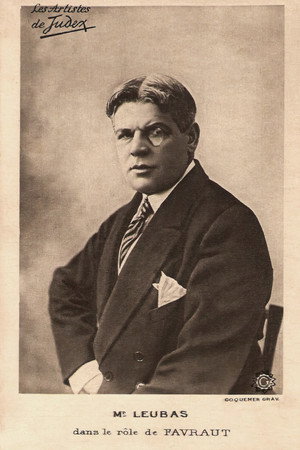
No biography available.
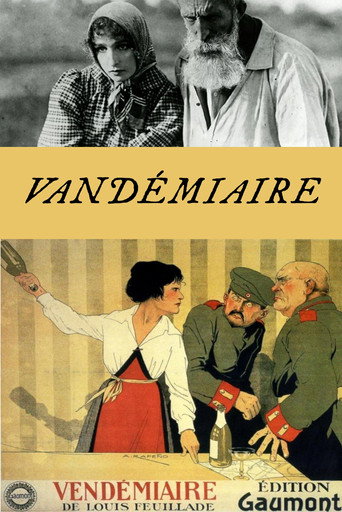
If you’re already familiar with Louis Feuillade, his little-known opus Vendémiaire may come as a surprise. Unlike the bulk of his work which was characterised as ‘Fantastic Realism’, Vendémiaire is wonderfully down-to-earth realism – or down-to-French-earth realism to be specific. The film itself is divided into four chapters, the titles of which suggest that this is a movie about the cultivation and consumption of wine. But as the narrative unfolds, it becomes clear that the cultivation and consumption of wine is an allegory for French culture and French land as a whole, and the real purpose of the film is to persuade the director’s fellow citizens to defend that spirit and those lands at all costs. It’s September 1918 and the war is coming to an end, but here on the Castelviel estate in the south of France the news has not yet arrived and everyone is busy with the grape harvest....
Count Fernand De Keramic plots against his niece in order to acquire her wealth to pay his debts.
Directed by Louis Feuillade.
A child is kidnapped and forced to sell flowers on the street.
Mme de Calvières (Sylvia Lux) and her brother Roger (Édouard Mathé), due to an unpaid debt, fall into a difficult situation.
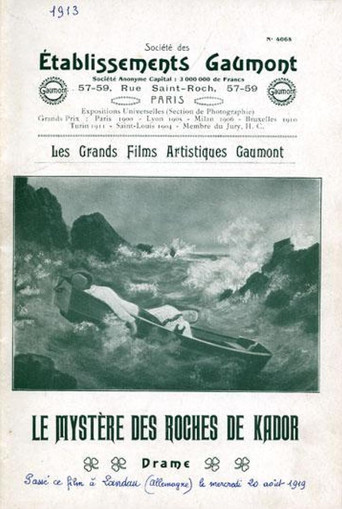
A moneylender kidnaps the young son of a rich widow as part of a plot to cheat her of her fortune. The boy is sent away on a fishing boat with the intention of drowning him, but a kindly old fisherman intervenes.
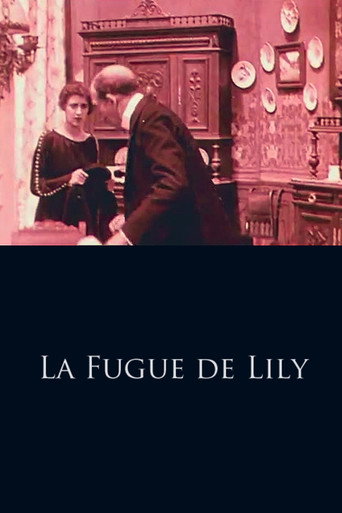
After falling in love with a young man (Edouard Mathé), Lilie/Lily abandoned her family and eloped, only to comes back with an illegitimate child.
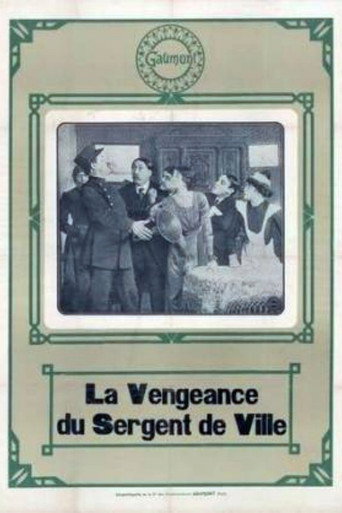
A police sergeant’s late night horn playing dismays neighbors in his apartment house, leading to marital discord, hysteria and a bizarre form of psycho-therapy involving a body double.
With the help of Lévesque and Musidora, Feuillade creates a light-hearted meta-fiction, self-parodying his own work.