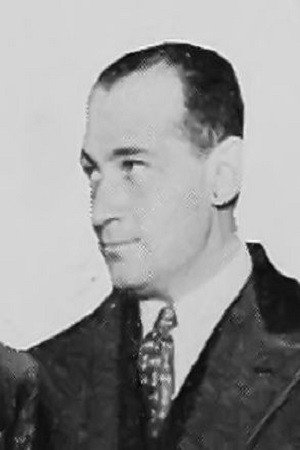
Lothar Mendes Movies, TV Shows, and Filmography
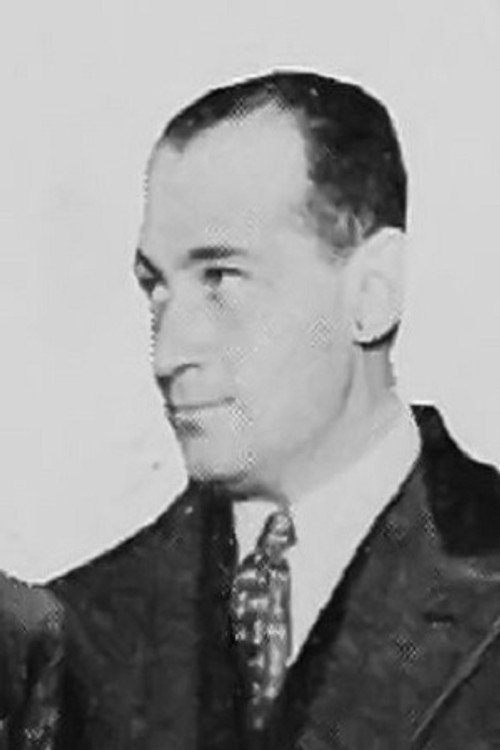
Lothar Mendes
Directing
Biography
From Wikipedia, the free encyclopedia Lothar Mendes (19 May 1894 – 25 February 1974) was a German-born screenwriter and film director. who began his career as an actor in Vienna and Berlin in Max Reinhardt's famous troupe. He went to America in the early 1920s and there he remained until 1933, directing more than a dozen features, mostly frothy comedies, while under contract to Paramount. His films included the last silent film made in America, The Four Feathers (1929) and the murder mystery Payment Deferred (1933) starring British expatriate Charles Laughton. After Hitler ascended to power, Mendes travelled to Britain in 1934 to work at Gaumont-British Pictures, directing films with Sir Michael Balcon producing. Under that banner, he directed Jew Süss (1934) starring one of Germany's most famous emigre actors, Conrad Veidt. Mendes' Jew Suss is not to be confused with the later Nazi film of the same title (1940) which is a Reich-made, virulently anti-Semitic film that deliberately contorted the exiled German-Jewish writer, Lion Feuchtwanger's original novel of the same name, on which Mendes' film was based. Mendes' 1934 film version of Feuchtwanger's novel received strong notices at the time, and was considered an important and early film in exposing the origins of the violent anti-semitism of the then-newly empowered Nazi Party; in particular, it was praised by Albert Einstein and the Jewish American leader, Rabbi Stephen Wise, who encouraged its distribution in America under the title Power, though the film itself did not attract an audience in Depression America. In 1936, Mendes directed his best-known film, the H.G. Wells short story, The Man Who Could Work Miracles (1936) starring Sir Ralph Richardson, for which Wells himself co-wrote the adaptation. His last British film was Moonlight Sonata aka The Charmer and starred the aging piano legend Paderewski as himself; it's notable for containing rare performance footage of the legendary pianist, then in exile from his native Nazi-occupied Poland. By 1941, Mendes had returned to Hollywood where he co-directed the pro-British International Squadron (1941), one of several films on the Eagle Squadron of American pilots who volunteered to fly in the Battle of Britain before the US entered the war. His last feature films were patriotic World War II fare with such stars as Rosalind Russell as a Navy reconnaissance pilot who must fly one more mission before getting married in Flight for Freedom (1943) and Edward G Robinson as a man who may or may not have married a spy in Tampico (1944). He retired from films in 1946, and the remaining decades of his life remain murky. "A competent, dependable director," comments film historian Larry Langman, "he never achieved the critical success in America that came to some of his compatriots."
Filmography Movies
Acting
Production
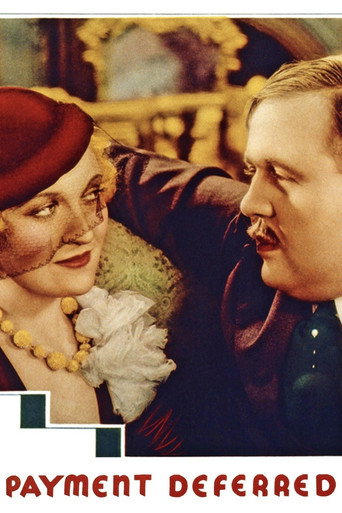
Payment Deferred
Bank clerk William Marble is desperate for money to pay his family's bills. When his wealthy nephew visits, Marble asks him for a loan, but the young man refuses. Marble decides to kill his nephew. It is a twisted path to justice after Marble is transformed by the crime he committed and the wealth he gains.
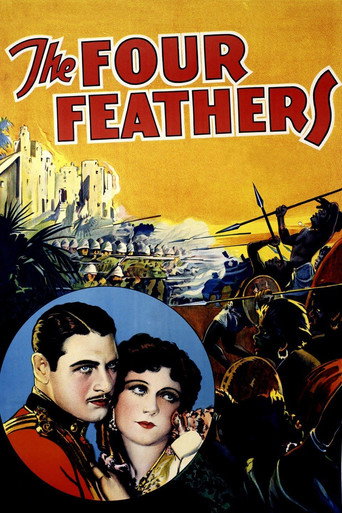
The Four Feathers
An Englishman (Richard Arlen) fights in the Sudan after receiving white feathers of cowardice from his fiancee (Fay Wray) and friends.

The Walls Came Tumbling Down
Broadway gossip columnist Gilbert Archer investigates his friend's murder, finds clues linking it to a valuable Da Vinci painting, putting himself and Patricia Foster in danger from those after the artwork
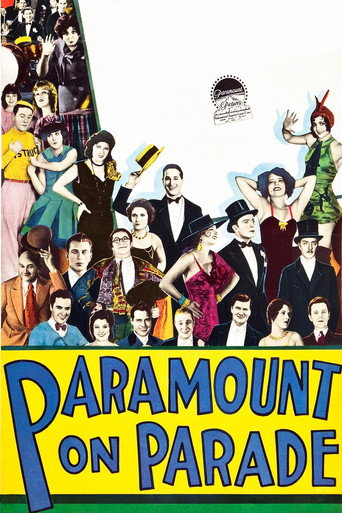
Paramount on Parade
This 1930 film, a collection of songs and sketches showcasing Paramount Studios' contract stars, credits 11 directors

Luxury Liner
This drama offers a few slices from the lives of those who live, work, and travel upon a luxurious trans-atlantic ocean liner.
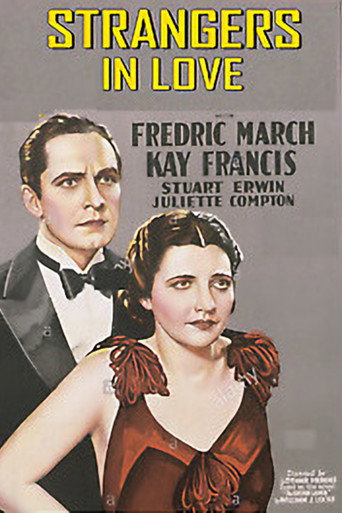
Strangers in Love
Fredric March essays a dual role in this story of a ne'er-do-well who impersonates his brother when the latter dies.
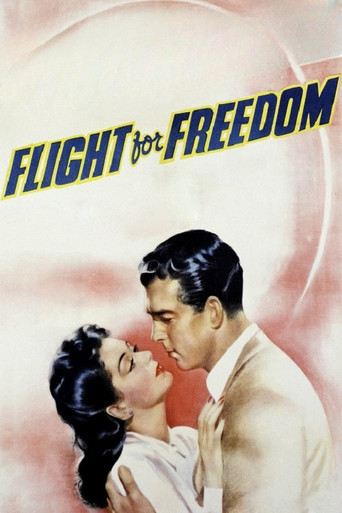
Flight for Freedom
A fictionalized biopic about aviation pioneer Amelia Earhart. A female pilot breaks the Los Angeles to New York record and attracts the interest of the U.S. Navy, who want to send her on a spy mission.

Dangerous Curves
A young bareback rider in a circus is in love with a trapeze artist, but he has two problems: he drinks too much and he's fallen under the spell of a "vamp" who's nothing but trouble for him.
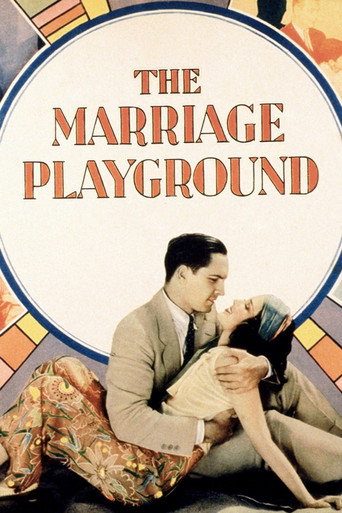
The Marriage Playground
A delightful pre-code cocktail recipe. Take three couples (add gin and tonic), their several divorces and the seven children/stepchildren of their intermarriages and blend thoroughly, and you have a mixture a too-young-to-believe Frederic March will try to straighten out.
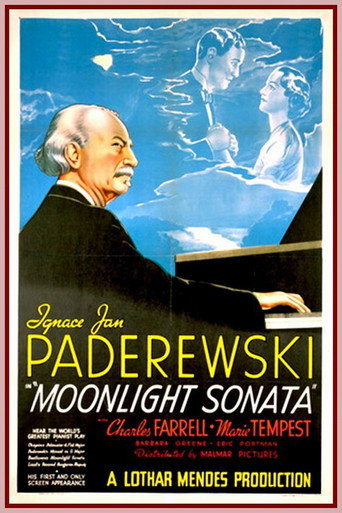
Moonlight Sonata
In this romantic tale Paderewski, the famed pianist, and two other plane crash survivors are guests of a Swedish baroness. Interwoven throughout this gentle and charming story are exquisite piano solos performed superbly by the elderly pianist, Paderewski.
Gallery