Lorella Cravotta Movies, TV Shows, and Filmography

Lorella Cravotta
Acting
Biography
Lorella Cravotta (born 9 April 1958) is a French comedian and actress. She is best known for her role in the cult TV series Les Deschiens (1993–2002), in which she appears alongside Yolande Moreau. Source: Article "Lorella Cravotta" from Wikipedia in English, licensed under CC-BY-SA 3.0.
Filmography Movies
Acting
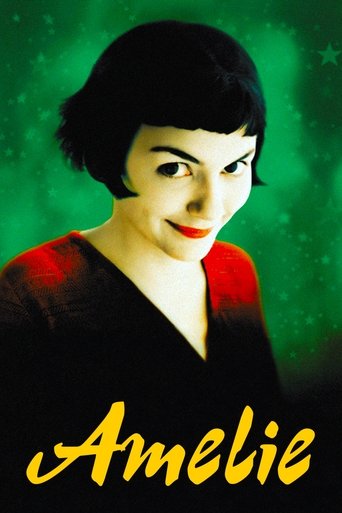
Amélie
At a tiny Parisian café, the adorable yet painfully shy Amélie accidentally discovers a gift for helping others. Soon Amelie is spending her days as a matchmaker, guardian angel, and all-around do-gooder. But when she bumps into a handsome stranger, will she find the courage to become the star of her very own love story?

Bye Bye
After graduating from high school, Julien left his hometown to build a bigger life in the capital, leaving his memories behind. And then one day, he had to come back, and that day his memories jumped out at him from between two packets of Pépito cookies.
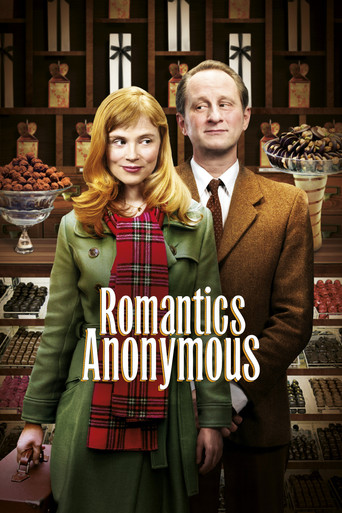
Romantics Anonymous
What happens when a man and a woman share a common passion? They fall in love. And this is what happens to Jean-René, the boss of a small chocolate factory, and Angélique, a gifted chocolate maker he has just hired. What occurs when a highly emotional man meets a highly emotional woman? They fall in love, and this is what occurs to Jean-René and Angélique who share the same handicap. But being pathologically timid does not make things easy for them. So whether they will manage to get together, join their solitudes and live happily ever after is a guessing matter.
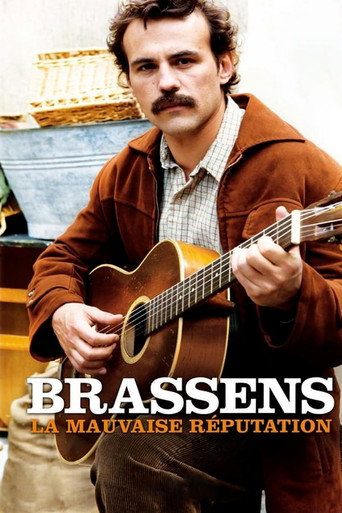
Brassens, la mauvaise réputation
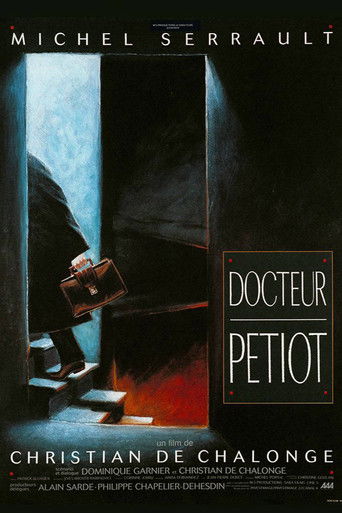
Dr. Petiot
A true story shot in a German Impressionistic style. In France during the Nazi occupation, Dr. Petiot (Michel Serrault) offered to help Jews escape the Nazis. They would come to his house, and he would kindly give them lethal "vaccinations" for their anticipated travel to Argentina. Then he would steal everything the brought with them (in addition to their up-front payment to him) and burn their bodies in his home-made crematorium.
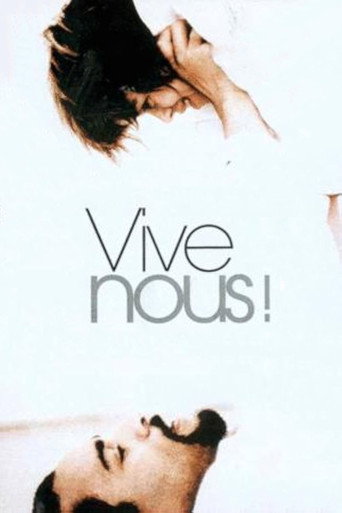
Vive nous!
When Valérie's husband Yves confesses he's in love with another woman, she happens into a judo club and begins lessons. She likes it, she's a natural, and she's attracted to Bruno, the quiet instructor. He likes her as well, but sees social class as a barrier, and Yves never seems to be too far away. Valérie's two close friends have their own stories: Annette is continuously looking for a husband, with little luck. Clara cares more about wealth and power, and takes up with the country's finance minister, an older man who flips for her. Meanwhile, Yves's lover doesn't seem in a hurry to leave her husband, so Valérie looks good to him from time to time. Will Bruno ever make a move?
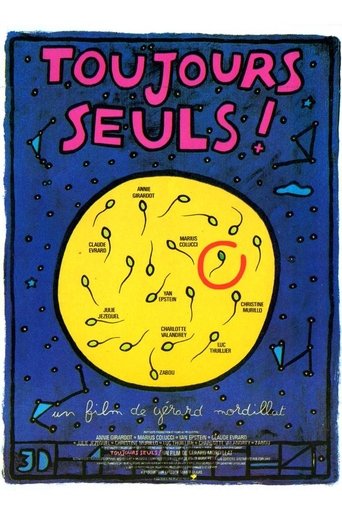
Toujours seuls
A large family crams into a three-room flat in a drab suburb.Twelve people ,soon joined,out of the blue, by the prodigal son, released from jail.To make matters worse,the TV set , then the sofa and finally the refrigerator vanish into thin air.Neverthelesss, life goes on ,with mom's nervous breakdowns , dad's absences ;The daughter, Julie, an abandoned social worker,is always sobbing ; her sister , rehearsing the "Hebrew slaves chorus" is eagerly waiting for her drafted fiancee.
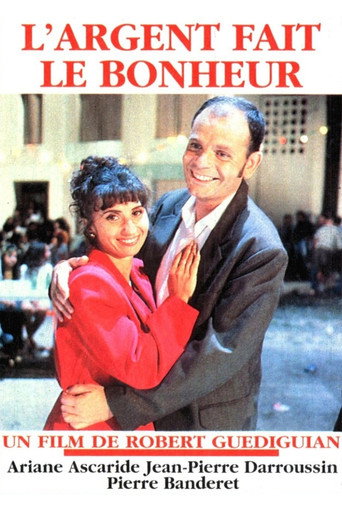
L'argent fait le bonheur
How the mothers of a deprived suburb of Marseille will create a solidarity committee under the aegis of the parish priest. Gathered in assembly, they will invent a solution to the endemic misery of their city.
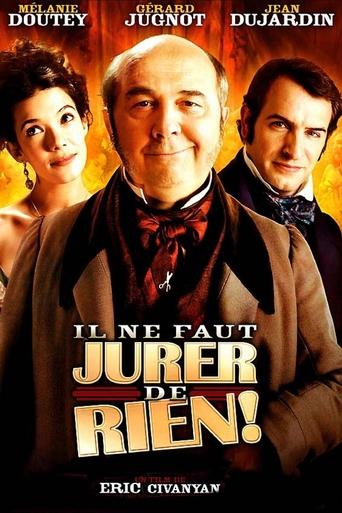
Never Say... Never!
Paris, 1830. Valentin loses himself in alcohol, gambling and women. He does not believe in life and especially not in love. His uncle Van Buck believes only in the virtues of money and trade. Everything separates them until the day when Van Buck, to improve his public image, wants to make Valentin marry the young and impoverished Baroness Cécile. Valentin, who has absolutely no desire to get married, bets that he can easily seduce her in 24 hours and thus prove that she, like all the others, is not worth loving... But Cécile, who believes in true love, will prove much more difficult to woo than envisaged and Valentin will have to use all possible stratagems to try and win his bet. The game of cat and mouse starts... But who is the cat?
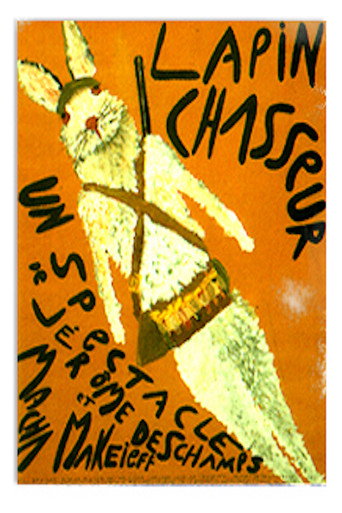
Les Deschiens - Lapin chasseur
The life of a "big" restaurant seen as a world unto itself, a world apart with its own inhabitants, rules, intrigues, movements, hierarchy, history and stories, internal and external relationships... an organic world that pulses, moves, shouts, cries, sings and, of course, eats. Here, the particularity of their vision lies in the stage set-up, which offers two separate, parallel spaces that interact with each other: the "visible" world on the dining room side, and the "underground" world on the kitchen side. At intermission, the spectator switches sides, seeing the same story from two radically different points of view.
Gallery