Loleh Bellon Movies, TV Shows, and Filmography
Loleh Bellon
Acting
Biography
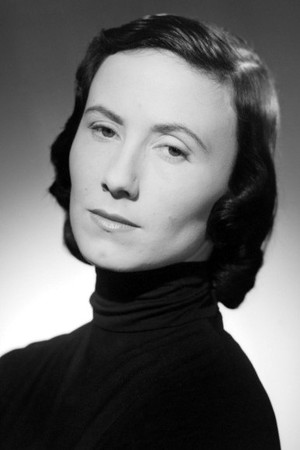
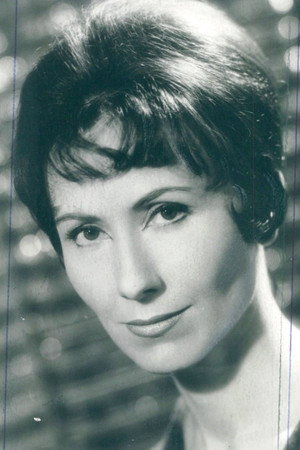
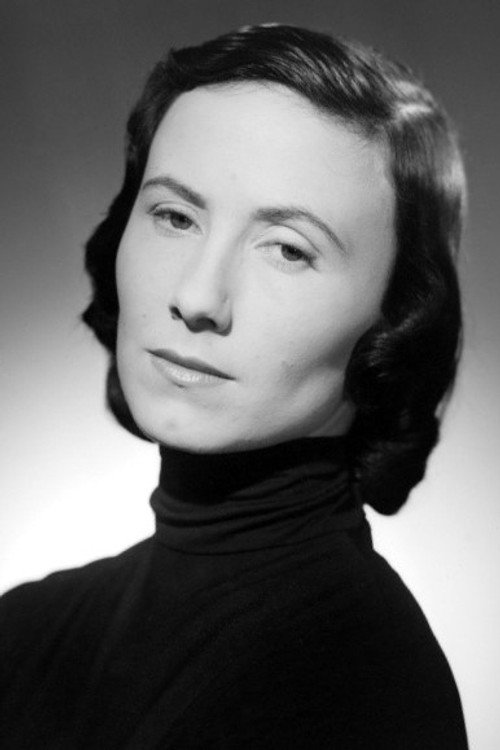
Marie Laure Viole Bellon, generally known as Loleh Bellon, (1925–1999) was a French stage and film actress as well as a playwright. In 1949, for her role in Robert Desnos' La Place de l'Étoile, she was awarded the Prix des Jeunes comédiens. She is remembered for her performances in Giraudoux' Judith and in Claudel's L'Annonce faite à Marie. Bellon was also a successful playwright, especially with Dames du jeudi (1976), Une absence (1988) and La Chambre d'amis (1995). For her play L'Éloignement (1987), she was awarded the Molière prize. Born on 14 May 1925 in Bayonne, Marie Laure Viole Bellon was the daughter of Jacques Bellon, a magistrate, and Denise Simone Hulmann, a well-known photographer. In 1947, she married the Spanish writer Jorge Semprún Maura (1923–2011), with whom she gave birth to Jaime Semprún (1947–2010), also a writer. Following a divorce in 1960, she married the poet Claude Roy (1915–1997) in 1962. Loleh Bellon was the younger sister of the film director and screenwriter Yannick Bellon. Bellon studied for the theatre under the Russian-born actress and drama teacher Tania Balachova, the actor and theatre manager Charles Dullin, and the actor Julien Bertheau. After making her stage début in 1945 in J. B. Priestley's Dangerous Corner, in 1947, she played in L'An Mil by Jules Romains. In 1949, for her performance in La Place de l'Étoile, she was awarded the Prix des Jeunes comédiens. She embarked on her cinema career in the late 1940s, working with Jean-Louis Barrault and Jean Vilar. Her first major success was the role of Marie in Le Point du jour (1949) directed by Louis Daquin. She appeared in two more of Daquin's films, The Perfume of the Lady in Black (1949) and Maître après Dieu (1950). Thanks to her sister Yannick Bellon, in the 1970s she starred in Quelque part quelqu’un (1972) and Jamais plus toujours (1976).[3] As a playwright, in 1976 her Les Dames du Jeudi was awarded the Ibsen prize. Other successes included L'èloignement (1987), Une absence (1988) and La Chambre d'amis (1995). Loleh Bellon died on 22 May 1999 in Le Kremlin-Bicêtre in the Paris suburbs. Source: Article "Loleh Bellon" from Wikipedia in English, licensed under CC-BY-SA 3.0.
Filmography Movies
Acting
Casque d'Or
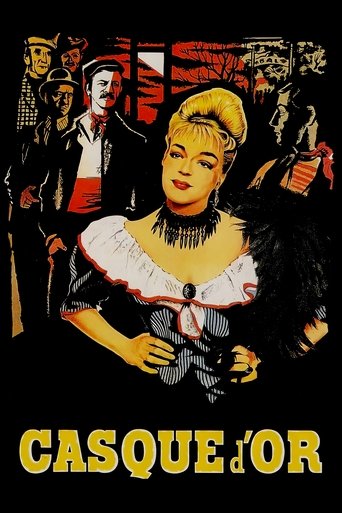
At the end of the 19th century, during a ball in Joinville, on the outskirts of Paris, Georges, a former delinquent working as a carpenter, meets Marie, a young woman connected to a criminal gang.
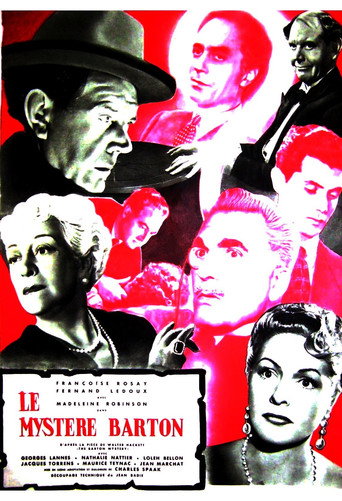
The Barton Mystery
Following the assassination of a financier, several people who had an interest in seeing him disappear are suspected.
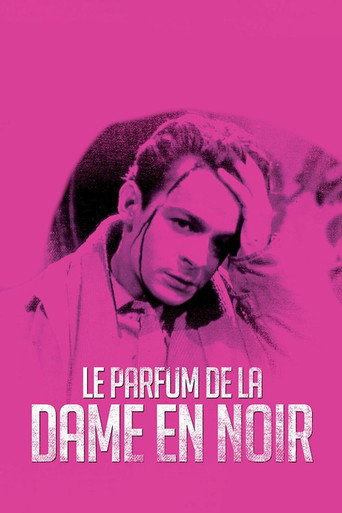
The Perfume of the Lady in Black
Mathilde Stangerson just married her fiance, when she heard that Larsan, her cruel former husband, whom she believed to be dead, is actually very much alive. Taking refuge to her castle, she appealed to the journalist Rouletabille to protect her.
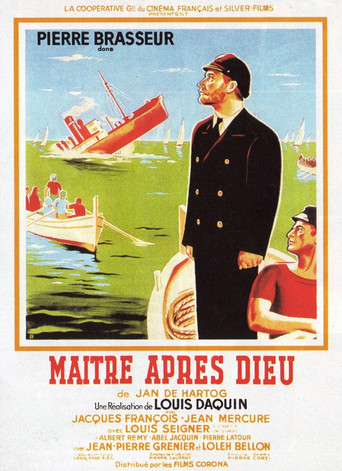
Skipper Next to God
Captain Joris Kniper believes so strongly that he is "skipper next to God" that he is used to playing God on his ship. Tough and bossy, he gives orders which are not to be discussed. But, some day, he is driven to accept on board several German Jews fleeing the nazis and who are refused asylum everywhere. He gradually realizes that skipper he is, but next to God only.The Bible will help him to find the way to self-questioning, awareness and charity.
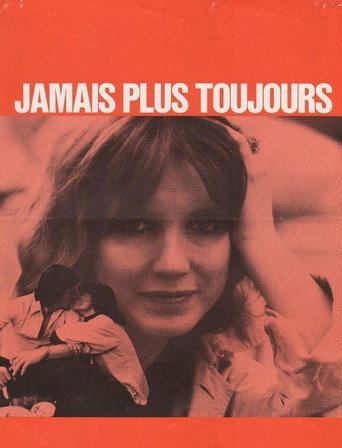
Nevermore, Forever
Claire returns to France following the death of her actress friend Agathe. She attends an auction of her friend's possessions, provoking memories of the past.
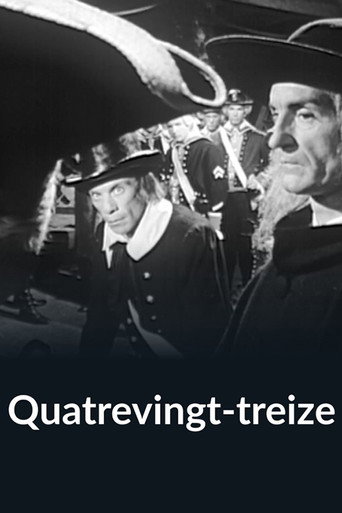
Quatrevingt-treize
Les Beaux Quartiers
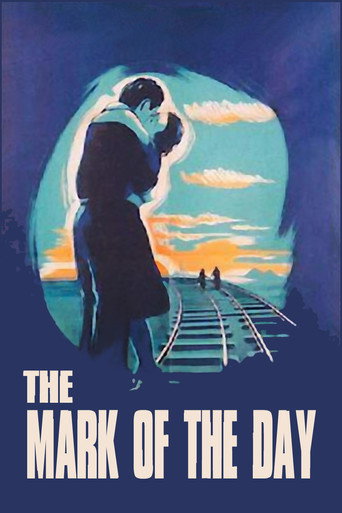
The Mark of the Day
In a settlement in the northern mining country. The Marles, Bréhard and Gohelle families wake up and prepare for a new day at work. The young engineer Larzac, newly appointed to the mine, will soon oppose the authoritarian and conservative methods of his superior Dubard. Georges Gohelle would like to marry Marie Bréhard, but housing difficulties thwart their plans. Brezza, a Polish immigrant, who must return to his country, would like to hate his marriage to Louise Gohelle. Roger, Marie's little brother, has just turned 14. He does not want to go down to the mine as his elders have always done. He will however have to resign himself to it. Marles evokes for him the social struggles of 1906. Roger is injured during a landslide. In front of his family and his friend Marles, who had come to the hospital, he announced his decision to continue his profession. Larzac, invited to the Marles, reveals that he refused a quiet position at the Charbonnages de Paris. He too stays.
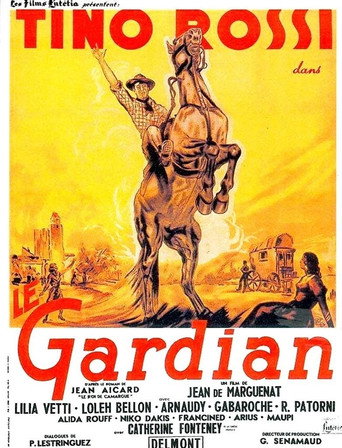
Le Gardian
The guardian is engaged to a girl from a good family, but the intervention of a gypsy will make his heart lean. This one comes in fact to take revenge and will try to kill him.
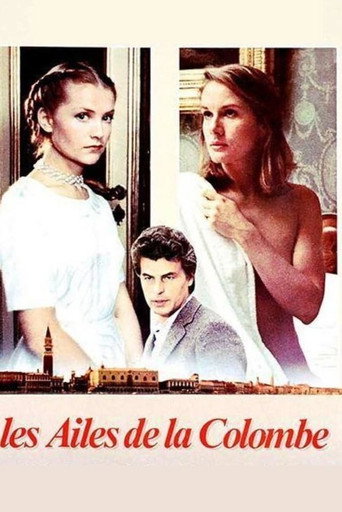
The Wings of the Dove
A 20th-century prostitute (Dominique Sanda) arranges for her lover (Michele Placido) to wed a wealthy, dying millionairess (Isabelle Huppert) in Venice.
Production
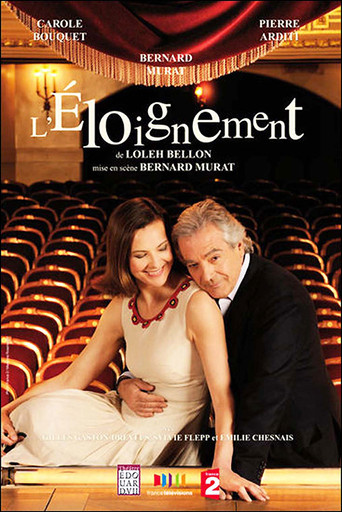
L'Éloignement
A televised broadcast of a play: the anxieties of an author who, with each new play, thinks only through the prism of media coverage. Thus, each critical response turns into a veritable exaltation of moods.
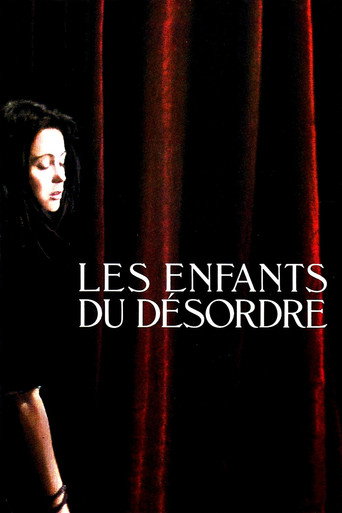
Children of Chaos
Marie is a young woman recently released from prison on drug charges. As a condition of her release, she joins a theatrical troupe composed of young delinquents, and at the same time faces a difficult journey of reintegration into society and strives to rebuild her life.
Gallery