Ülo Pikkov Movies, TV Shows, and Filmography
Ülo Pikkov
Directing
Biography
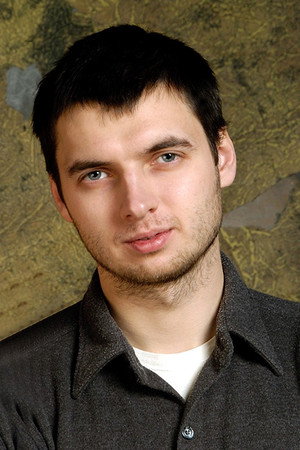
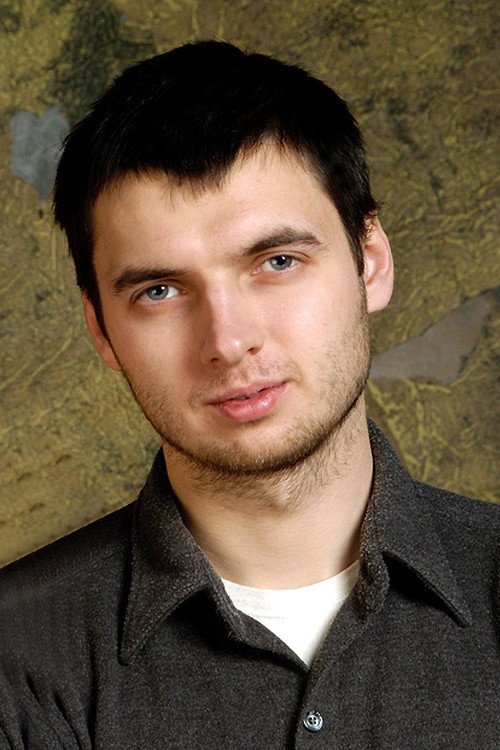
Ülo Pikkov (born June 15, 1976 in Tallinn) is an Estonian animator, film director and producer. In 1998 he graduated from Turku School of Art and Media. In 2005 he graduated from University of Tartu in law. In 2011 he began his doctoral studies at the Estonian Academy of Arts. He defended his doctorate in 2018 with his work "Anti-Animation, the Peculiarities of Eastern European Animated Film". Between 2007 and 2011, Pikkov was the chairman of the audiovisual arts endowment of the Cultural Endowment of Estonia. Until 2016, he was an associate professor in the animation department of the Estonian Academy of Arts. He has written and illustrated books, as well as published caricatures, editorial cartoons and illustrations in the press. Since 2006 he has worked in film production company
Filmography Movies
Acting
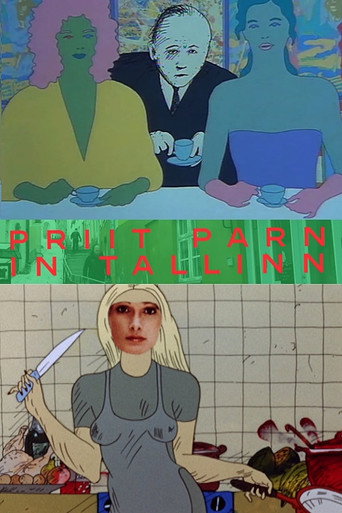
Priit Pärn in Tallinn
Documentary about the work of the Estonian cartoonist and animation director Priit Pärn
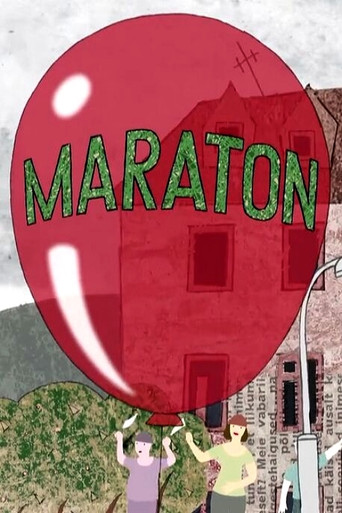
Marathon
In a marathon running, a criminal hides among the runners, after blowing up a statue in the central square.
The Tortoise and the Hare
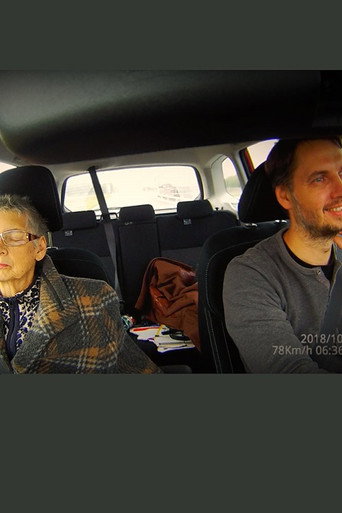
A story of a mother and her son and a race against a tortoise where you always lose.
Production
40 Years Later
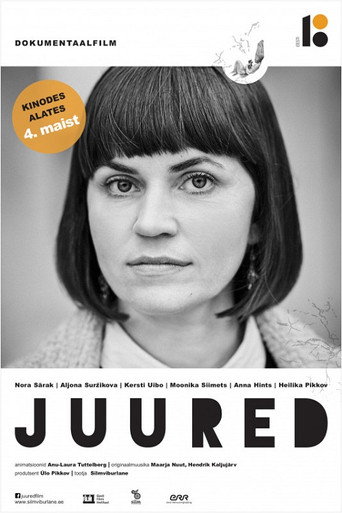
The director's parents Tiina and Ülo have saved more stuff in their home throughout the years than they have space to live. Useless piles of clothes, old newspapers and dishes block the way to the dinner table or bed. This is a story about a love for things and the difficulty of letting go of them.
Frank & Wendy
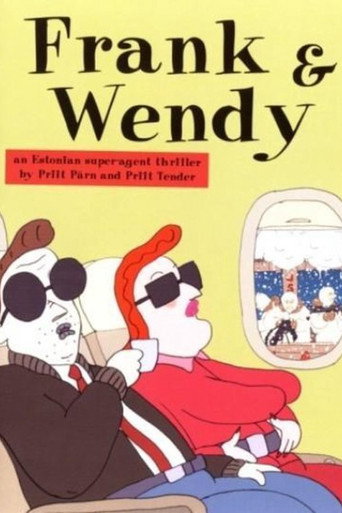
Two American secret agents - Frank and Wendy - are sent to the world's hotbed of danger, known as Estonia. Estonia is a silly place, perhaps even sillier than the agents themselves. Frank and Wendy, for whom saving the world is their daily work, achieve both mental and manual feats with the greatest of ease. It appears that nothing can prevent their ultimate victory, but go figure. The axis of evil does not wither and attacks the super-agents from where they can least expect it...
Escape
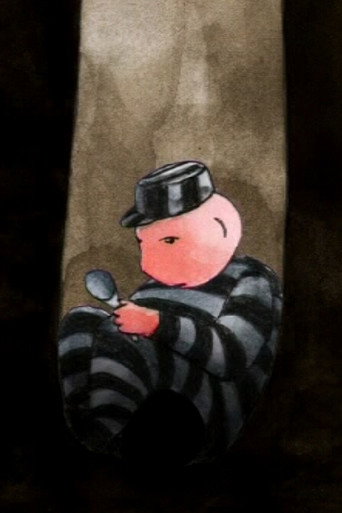
The prospect isn't good: situation seems like jail, porridge bowl bottomless and time is running out. An unexpected discovery changes it all though.
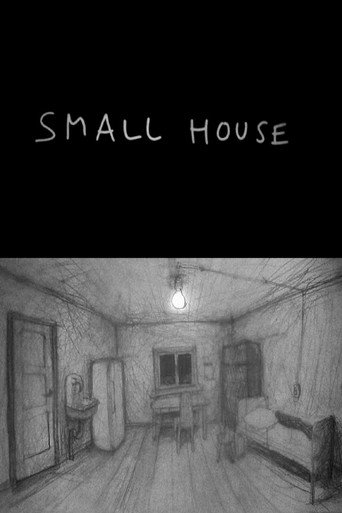
Small House
The story of human error. Every time he goes to bed and turns off the light, he remembers something urgent: the toilet seat is not lowered, the Slippers are not parallel, the tap water is dripping… Unfortunately, the small house where all this happens is on the beach. How does it look at night from the sea? Yes, disaster is inevitable.
Frank & Wendy
Two American secret agents - Frank and Wendy - are sent to the world's hotbed of danger, known as Estonia. Estonia is a silly place, perhaps even sillier than the agents themselves. Frank and Wendy, for whom saving the world is their daily work, achieve both mental and manual feats with the greatest of ease. It appears that nothing can prevent their ultimate victory, but go figure. The axis of evil does not wither and attacks the super-agents from where they can least expect it...
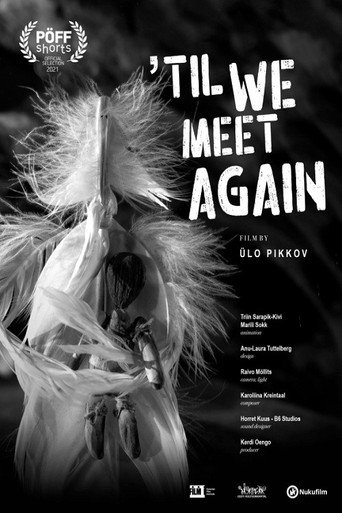
Till We Meet Again
An animated documentary about an old lady who returns home after sixty years. The film is based on a true story and taking place on a remote island of the Baltic sea. All objects in the film are made of materials found on that island (Ruhnu).
Till We Meet Again
An animated documentary about an old lady who returns home after sixty years. The film is based on a true story and taking place on a remote island of the Baltic sea. All objects in the film are made of materials found on that island (Ruhnu).
Till We Meet Again
An animated documentary about an old lady who returns home after sixty years. The film is based on a true story and taking place on a remote island of the Baltic sea. All objects in the film are made of materials found on that island (Ruhnu).
Dialogos
"Dialogos" is an ironic comedy about modern society where everything is very hi-tech and computer-based. "Dialogos" is drawn and scratched directly on a filmprint.
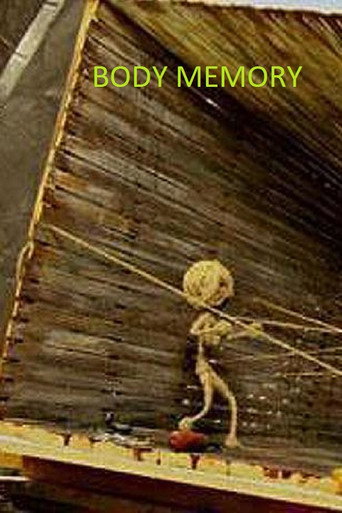
Body Memory
What can an old apple tree tell us? What mysteries are hidden in his roots, gnarled over time? Does he remember the serpent and the lost Paradise? Our body remembers more than we can expect and imagine. It remembers the sorrow and pain of our predecessors. It keeps alive the stories of our parents and grandparents as well as their ancestors. But how far back is it possible to go in your bodily memory? The stop-motion animation BODY MEMORY takes as its central concept the idea that our body remembers, not only individual experiences, but also the sorrow and pain of our predecessors. A powerful visualization of subconscious processes and the hidden horror of deportation. Inspired by historical events: the Soviet deportations from Estonia in the 1940s.
Gallery