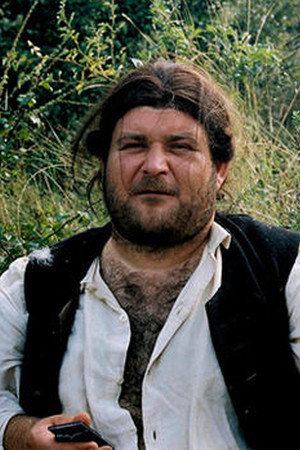
Acting
No biography available.
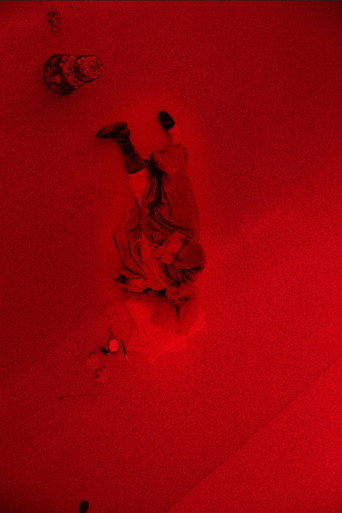
The film takes place in Ireland – an Ireland where people speak Catalan with a Fassbinder accent – from the 1930 to today, and follows in several parallel directions the sprawling saga of two rival gold mines, the exploitation of artists by Capital, and the simultaneous opening of a brothel where women do not like men. Because he does things his own way, Albert Serra’s most narrative and wordy film was not meant for cinema: produced by the Venice Biennale, it was part of an installation, its chapters shown simultaneously on several screens. Singularity could very well have been called “Velvet Goldmine”, as it sings the meeting of brothels and tunnels, of a golden stud and lustful bodies (both shown as abstractions).
Trusting in fate, Don Quixote and Sancho pursue their travels in search of adventure day and night. They ride through fields, talking about subjects as varied as spirituality, chivalry and daily life. A growing bond of friendship unites them.
Island of Tahiti. French government official De Roller is a calculating man with impeccable manners, capable of dealing with both high society and the locals he frequents in shady joints.
Casanova meets a new servant who will witness his last moments in life, from a castle with its libertine 18th century atmosphere to the poor, shadowy Northern lands. There, his rationalist way of thinking and mundane world will succumb to a violent and romantic force, represented by Count Dracula.
A poetic portrait of Lluís Serrat Massanellas, an unprofessional actor and friend of Albert Serra since working with him on Honour of the Knights, and his father, Lluís Serrat Batlle.
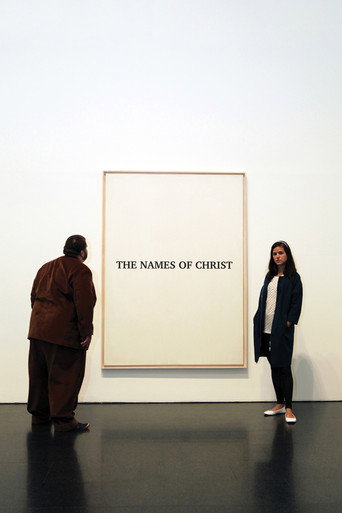
Episodic film, divided into 14 chapters, based on the play De los nombres de Cristo (1586), by Fray Luis de Leon and intended for exhibition "Are You Ready for TV?". Filmed partly in the rooms of MACBA (Museu d'Art Contemporani de Barcelona), is about the difficulty of naming or visually represent abstract concepts.
The Three Wise Kings travel in search of the Messiah, with unexpected obstacles on the way.
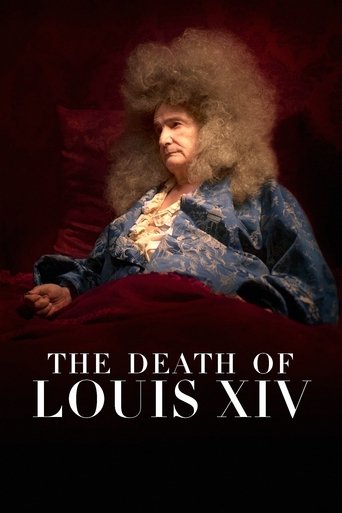
August 1715. After going for a walk, Louis XIV feels a pain in his leg. The next days, the king keeps fulfilling his duties and obligations, but his sleep is troubled and he has a serious fever. He barely eats and weakens increasingly. This is the start of the slow agony of the greatest king of France, surrounded by his relatives and doctors.
In an ambiance loaded with tension, intellectual doubts and creative frustration, Rainer Werner Fassbinder writes and teaches the staging of a theater piece about the 18th century Libertiage at a great theater in Berlín.
Catalan director Albert Serra’s follow-up to his magisterial The Death of Louis XIV is another forensic documentation of the Sun King’s final breaths. Here, however, Versailles is replaced with the glow of the gallery.