Writing
No biography available.
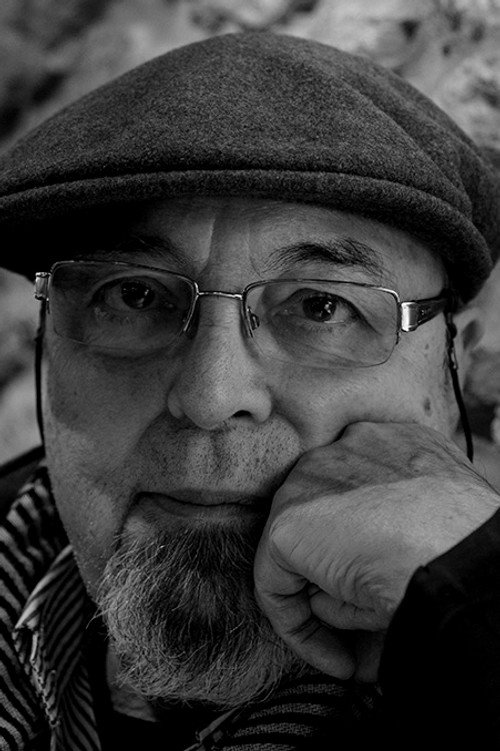
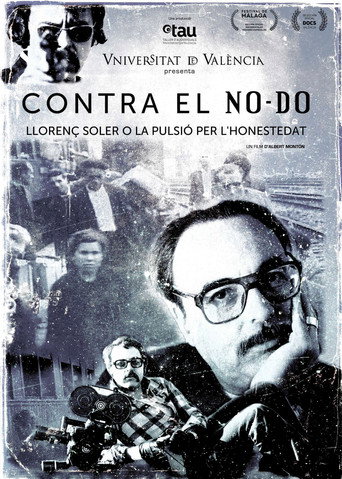
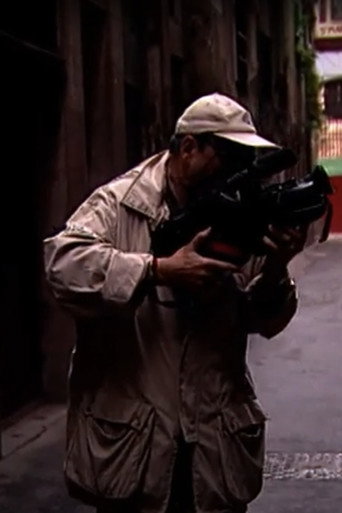
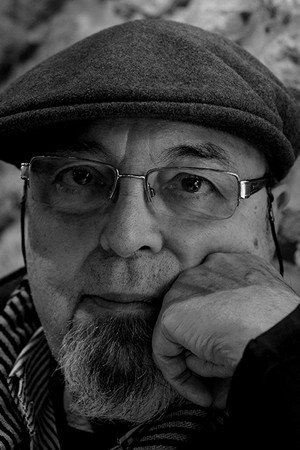
Life and filmography of Llorenç Soler (1936 – 2022), a creative pioneer of independent documentary cinema under Franco's dictatorial regime in Spain during the 1960s and '70s, when the information monopoly belonged to state-controlled NO-DO newsreels and RTVE, tools of political propaganda.
A documentary structured as a series of interviews in which Joaquim Jordà, both on his own and in dialogue with José Luis Guerín, Llorenç Soler or Esteve Riambau, reviews his career, the Barcelona School, his opinions on cinema and documentary, etc.
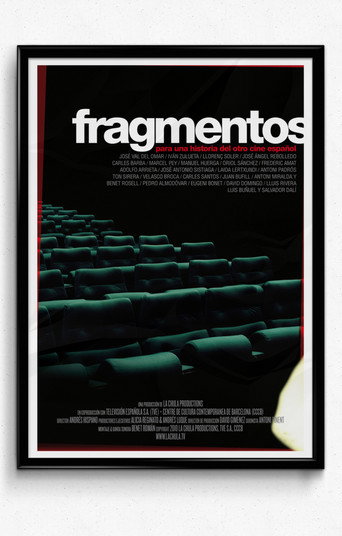
Documentary about the history of experimental cinema in Spain. FRAGMENTS is a historical survey of “the other” Spanish Cinema — films that brazenly explored their artistic, poetic and conceptual potential. Spanish experimental cinema can be glimpsed in a series of important yet isolated events that FRAGMENTS compiles through various firsthand accounts, film excerpts and documents. For the first time in Spain, a documentary brings together the most relevant of a cinema that is slowly losing its invisibility.
Film divided into three parts in which the Valencian musician Carles Santos explores various sonorities, using the image as a means of expression.
Martí Rom presents a monograph dedicated to the figure of Llorenç Soler, who was his colleague during his time at Central del Curt and a collaborator on several works in his filmography.
Maria, the last member of a good provincial family of long tradition, wants to live the atmosphere of these musical groups that proliferate all over the world. He meets Ricardo, a former partner in the advertising world, who has self-marginalized because he got to the point where he felt disgusted by this false world. Maria tries to leave him, but has just integrated into this chaotic environment.
On June 14, 1977, the eve of the first democratic elections after Franco's regime, Llorenç Soler and his crew go out into the street and ask passers-by which party they are going to vote for.
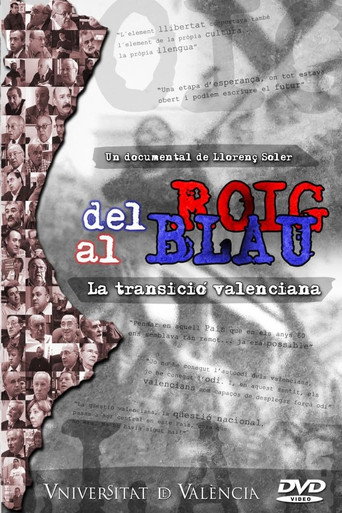
A series of interviews to relevant personalities who lived the valencian transition to democracy.
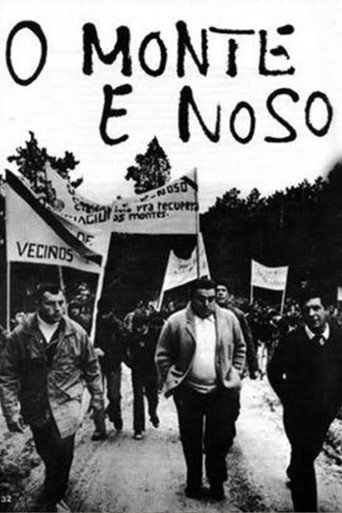
Published in 1978, this documentary narrates the struggles of Galiza's country people for their rights on the forest ownership
The documentary details the construction of the Atlantic highway in Galicia, Spain and highlights the popular resistance to its construction during the Spanish transition to democracy.
The documentary is divided into three large segments, which ironically about the "press of the movement"
Mark, a contemporary art painter based in New York, investigates some dreamlike outcrops that take him to the context of 12th century Romanesque art in the Catalan Pyrenees.
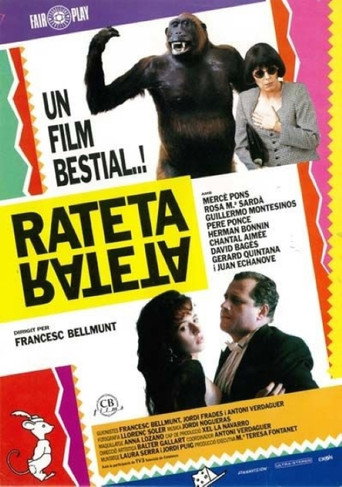
She wanted to be rich, to have lovers, to go to Barcelona: but Montserrateta had to make do with living in a village in the Pyrenees, with her boyfriend, and milking cows on her parents' farm, until one day, she finds a lottery ticket.