Liu Peiqi Movies, TV Shows, and Filmography

Liu Peiqi
Acting
Biography
Liu Peiqi is a Chinese actor. He started his training in 1979 when he joined Military Art School. He joined Military Drama Group in Xinjiang Province in 1983. In 1985 he starred in his first movie, Father and Son, directed by Wang Bingling. After transferring to Beijing Military Drama Group, then the China National Drama Group, Liu starred in Days Without Leifeng, directed by Lei Xianhe. For his performance, he was awarded the Golden Rooster for Best Actor (China's version of the Academy Award). He was also awarded Best Performance in a Male Leading Role in the Outstanding Film Awards organized by the Chinese Ministry of Radio, Film and Television. Liu's recent credits include starring roles in Zhang Yimou's The Story of Qiu Ju, Zhou Xiaowen's Ermo and Chen Kaige's Together, for which he was awarded the San Sebastián International Film Festival Award for Best Actor, becoming the first Chinese actor ever to receive that award. Description above from the Wikipedia article Liu Peiqi, licensed under CC-BY-SA, full list of contributors on Wikipedia.
Filmography Movies
Acting
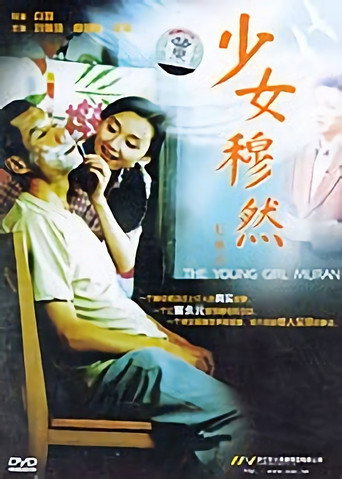
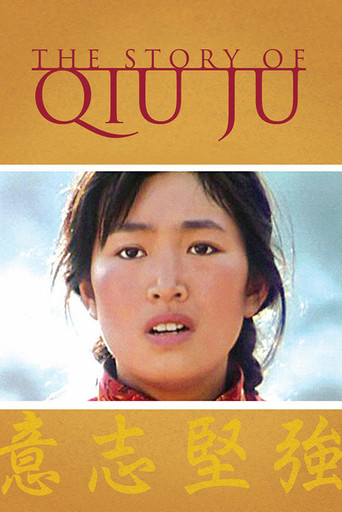
The Story of Qiu Ju
When her husband is kicked in the groin by the village head, Qiu Ju, a peasant woman, despite her pregnancy, travels to a nearby town, and later a big city to deal with its bureaucrats and find justice.
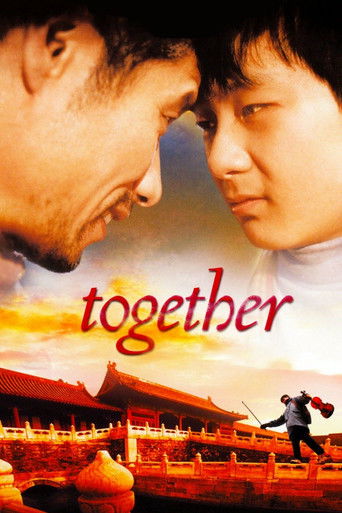
Together
When a violin prodigy Xiaochun and his father head to Beijing seeking fame and fortune, they soon discover a fierce world of cutthroat ambition. But when Xiaochun is "adopted" by a famous music tutor, success finally seems within reach - until a shocking discovery begins to unravel his entire world, and the boy must make the most difficult choice of his life. Can he achieve the fame his father had always hoped for without losing the extraordinary passion that sets him apart?
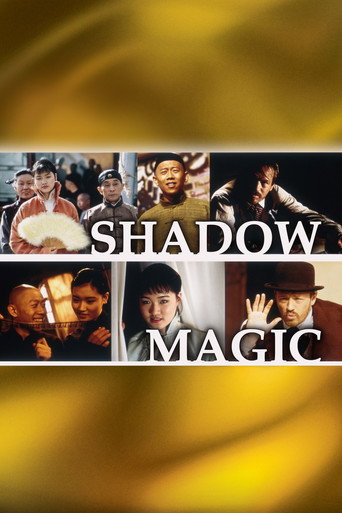
Shadow Magic
Beijing, 1902: an enterprising young portrait photographer named Liu Jinglun, keen on new technology, befriends a newly-arrived Englishman who's brought projector, camera, and Lumière-brothers' shorts to open the Shadow Magic theater. Liu's work with Wallace brings him conflict with tradition and his father's authority, complicated by his falling in love with Ling, daughter of Lord Tan, star of Beijing's traditional opera. Liu sees movies as his chance to become wealthy and worthy of Ling. When the Shadow Magic pair are invited to show the films to the Empress Dowager, things look good. But, is disaster in the script? And, can movies preserve tradition even as they bring change?
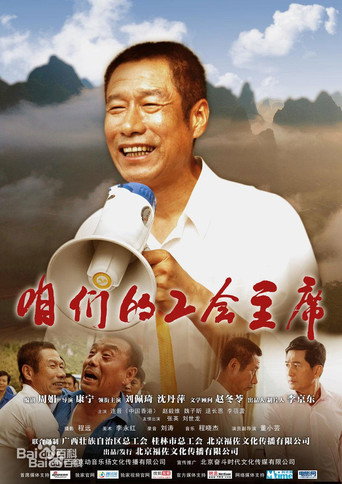
We Are Brothers
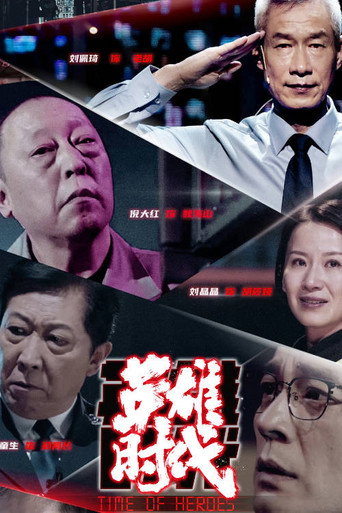
Time Of Heroes
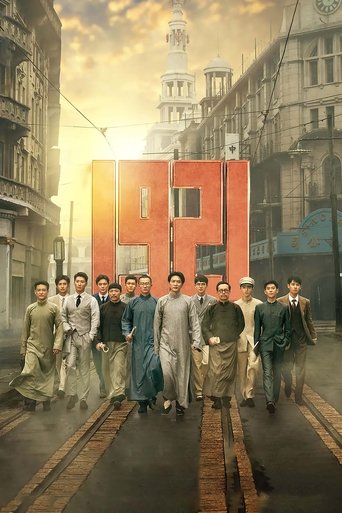
1921
Tells the story of a Communist Party's early history during the turbulent era, examining the remarkable Chinese revolutionary leaders' zeal and contrition for the ascension of the Chinese people.
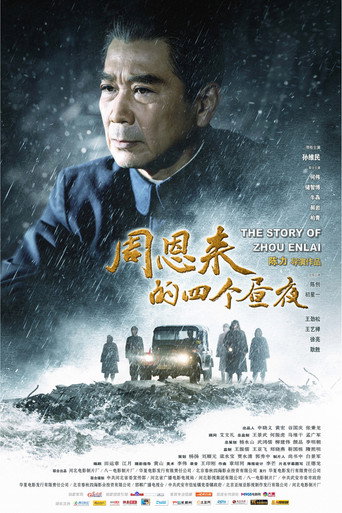
The Story of Zhou Enlai
With a unique perspective of the accompanying cameraman of Premier Zhou Enlai, the film tactfully tells the story that Premier Zhou went to the old revolutionary base area of Hebei Province at the beginning of the 1960s when our country suffered from the Great Chinese Feminine. He made in-depth research in Boyan commune of Handan District, work closely with the masses, followed up a clue and seized the culprit in four days and nights.
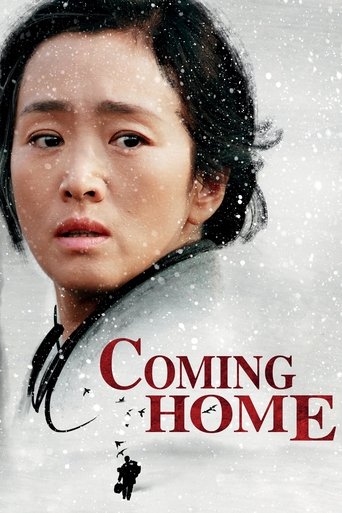
Coming Home
Lu and Feng are a devoted couple forced to separate when Lu is arrested and sent to a labor camp as a political prisoner during the Cultural Revolution. He finally returns home only to find that his beloved wife no longer remembers him.
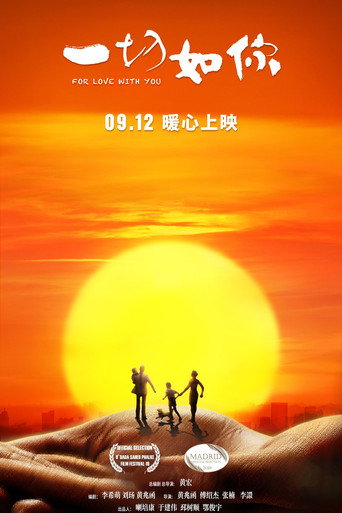
For Love with You
The original intention of the film was that there were four young people who used the lens to record the real life of their grandparents. During the creation process, they learned about the current aging situation in China. There are too many elderly people who lack company. So they decided Use what I have learned to shoot this movie "Everything is Like You". From the perspective of young people, it tells ten stories about "old care, filial piety and respect for the elderly". Their actions have been strongly supported by the older generation of film artists. This shooting is an unforgettable creative journey and a cultural heritage with a mission.
Gallery