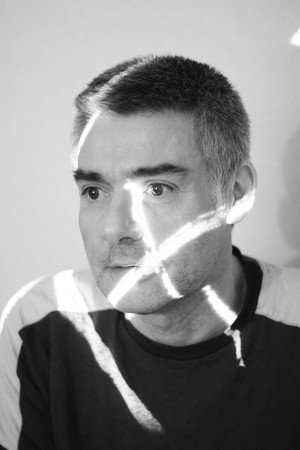
Lionel Soukaz Movies, TV Shows, and Filmography
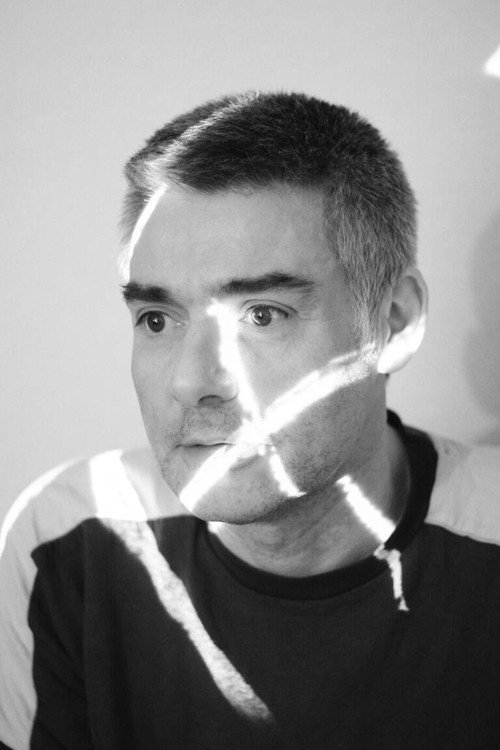
Lionel Soukaz
Directing
Biography
No biography available.
Filmography Movies
Acting
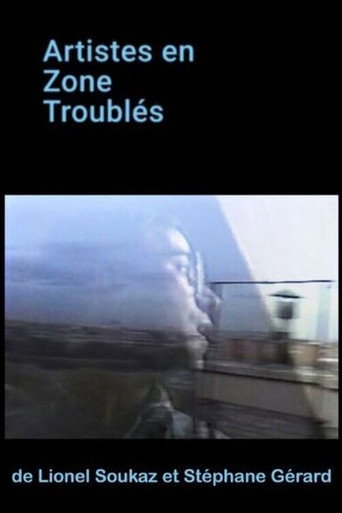
Artistes en zones troublés
Daily spleen, drunkenness among friends, conversations and the passage of time: the video diaries composed by Lionel Soukaz chronicle the early 1990s, the comet tail of those never-ending winter years and the nightmare of the AIDS years. But edited thirty years later with Stéphane Gérard, they are also a tribute to Hervé Couergou, the beloved partner at the center of all the filmed scenes. Slowly, in conversations between couples and friends, the dandy spirit and intimate confession overlap. What emerges is a portrait of a way of dealing with the times and their pain, which, beneath the act of commemoration, seeks to inscribe a living presence.
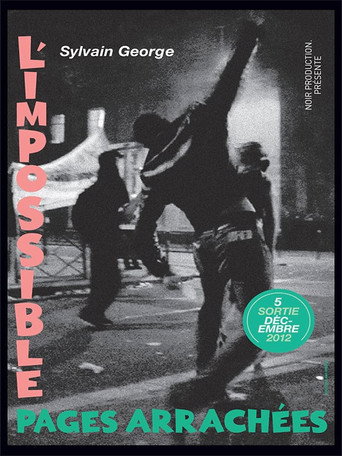
L'impossible - Pages arrachées
Situated in the vein of Rimbaud, Lautréamont, Dostoievski and Benjamin and of free jazz and punk, this film bears witness to the iniquitous policies that shape our era, the “infernal” nature of certain political lives or black bodies (those of immigrants, emigrants, workers, the unemployed, students...). It operates, as a minority film, in a critical stasis of mythical and mainstream realities, and deals with the issue of revolt and insurrection: excesses, disidentification, unclear reconfiguration... We are presented, through a dialectical reversal, "non-places" that cannot be assimilated, utopias, corps-impossibles
Ixe
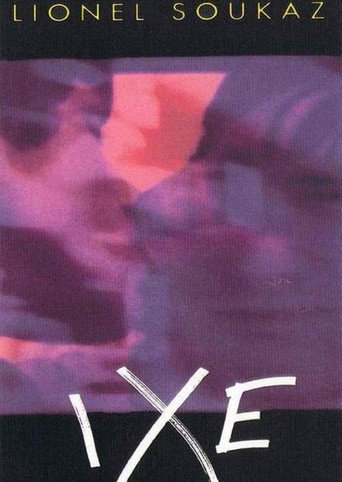
“Ixe (written X and pronounced EEKS – as it is pronounced in French –, like a scream, a wound) is an imploded, crucified film. Made to be projected on four screens at once, X is drawn and quartered. At the four points of the compass, at the four ends of the cross, War, Sex, Religion and Drugs, the double exposures, the colliding glimpses the eye barely recognizes, the skilful repetitions of themes, remind us that Sex is also the war of bodies, and the pope, the Drug of the people. And the story of this young man, shooting up in order to experience all the horror of the world in front of his TV set, reminds us that the heroin orgy is indeed the subjective locus of the monsters of the modern unconscious.” - Guy Hocquenghem
Lolo Mégalo blessé en son honneur
Lionel Soukaz opens a wooden panel to discover the sky and comes across Italian workers singing. He longs for them and, when they leave in the evening, finds himself alone, watching television. This video mirror sends him back to his own time: Nixon, Giscard. So he dances like a cry for help: "Love me!”. The cross-dressing scenes are like a coming out, revealing the feminine side of the filmmaker at just twenty years of age.
Cinématon
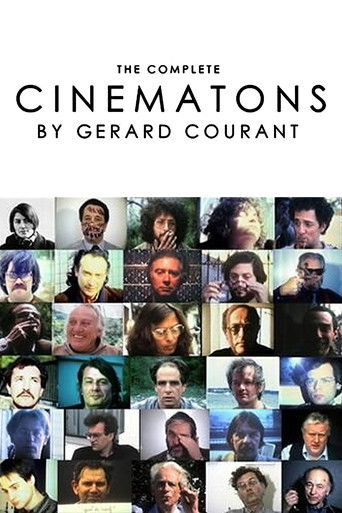
Cinématon is a 156-hour long experimental film by French director Gérard Courant. It was the longest film ever released until 2011. Composed over 36 years from 1978 until 2006, it consists of a series of over 2,821 silent vignettes (cinématons), each 3 minutes and 25 seconds long, of various celebrities, artists, journalists and friends of the director, each doing whatever they want for the allotted time. Subjects of the film include directors Barbet Schroeder, Nagisa Oshima, Volker Schlöndorff, Ken Loach, Benjamin Cuq, Youssef Chahine, Wim Wenders, Joseph Losey, Jean-Luc Godard, Samuel Fuller and Terry Gilliam, chess grandmaster Joël Lautier, and actors Roberto Benigni, Stéphane Audran, Julie Delpy and Lesley Chatterley. Gilliam is featured eating a 100-franc note, while Fuller smokes a cigar. Courant's favourite subject was a 7-month-old baby. The film was screened in its then-entirety in Avignon in November 2009 and was screened in Redondo Beach, CA on April 9, 2010.
Cinématon V
Reel 5 of Gérard Courant's on-going Cinematon series.
Une certaine histoire du cinéma expérimental français
Founded in the second half of the 1990s, the experimental film association L'Etna witnessed the transition from film to digital cinema. Its premises, located in the heart of Paris, were unable to withstand gentrification.
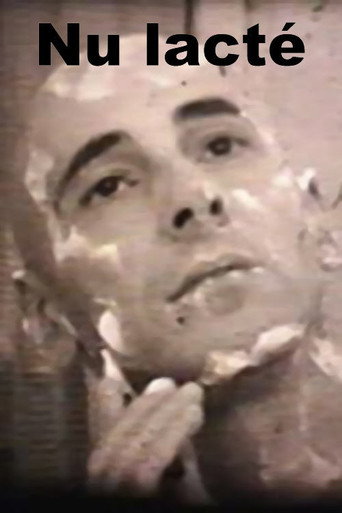
Nu lacté
Othello Vilgard, Xavier Baert and Lionel Soukaz filmed a performance by Tom from Beijing: one strips himself naked while the others veil and reveal the film.
Autoportrait
Auto-portrait.
Lionel Soukaz, le désir et le manque
Portrait of pioneering LGBT filmmaker Lionel Soukaz, who passed away in February 2025. His work lies at the crossroads of several film traditions that rarely intersect: experimental, activist, pornographic, and diary film. Based on both public and private interviews with Lionel Soukaz.
Production
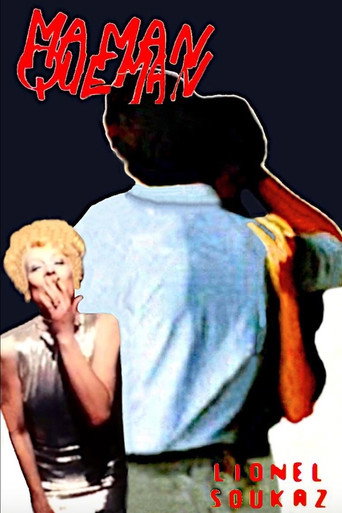
Maman Que Man
While his mother is dying of cancer, Laurent starts a relationship with a handsome stranger who promises to help him with a film carreer.
Nu lacté
Othello Vilgard, Xavier Baert and Lionel Soukaz filmed a performance by Tom from Beijing: one strips himself naked while the others veil and reveal the film.
Nu lacté
Othello Vilgard, Xavier Baert and Lionel Soukaz filmed a performance by Tom from Beijing: one strips himself naked while the others veil and reveal the film.
Nu lacté
Othello Vilgard, Xavier Baert and Lionel Soukaz filmed a performance by Tom from Beijing: one strips himself naked while the others veil and reveal the film.
Remake
A film by Lionel Soukaz
Ixe
“Ixe (written X and pronounced EEKS – as it is pronounced in French –, like a scream, a wound) is an imploded, crucified film. Made to be projected on four screens at once, X is drawn and quartered. At the four points of the compass, at the four ends of the cross, War, Sex, Religion and Drugs, the double exposures, the colliding glimpses the eye barely recognizes, the skilful repetitions of themes, remind us that Sex is also the war of bodies, and the pope, the Drug of the people. And the story of this young man, shooting up in order to experience all the horror of the world in front of his TV set, reminds us that the heroin orgy is indeed the subjective locus of the monsters of the modern unconscious.” - Guy Hocquenghem
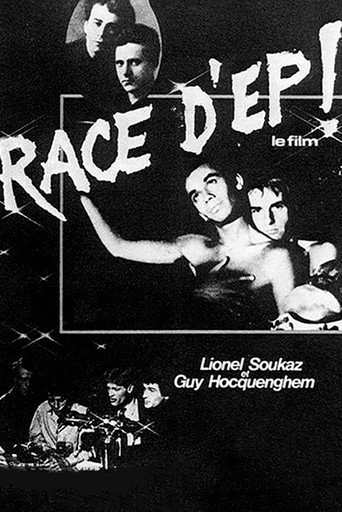
Race d'Ep!
"Race d’Ep!" (which literally translates to "Breed of Faggots") was made by the “father of queer theory,” Guy Hocquenghem, in collaboration with radical queer filmmaker and provocateur Lionel Soukaz. The film traces the history of modern homosexuality through the twentieth century, from early sexology and the nudes of Baron von Gloeden to gay liberation and cruising on the streets of Paris. Influenced by the groundbreaking work of Michel Foucault on the history of sexuality and reflecting the revolutionary queer activism of its day, "Race d’Ep!" is a shockingly frank, sex-filled experimental documentary about gay culture emerging from the shadows.
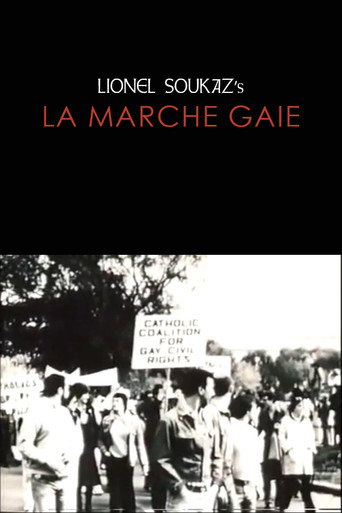
La marche gaie
A short documentary about the October 14 1979 March For Lesbian And Gay Rights in Washington D.C.
Race d'Ep!
"Race d’Ep!" (which literally translates to "Breed of Faggots") was made by the “father of queer theory,” Guy Hocquenghem, in collaboration with radical queer filmmaker and provocateur Lionel Soukaz. The film traces the history of modern homosexuality through the twentieth century, from early sexology and the nudes of Baron von Gloeden to gay liberation and cruising on the streets of Paris. Influenced by the groundbreaking work of Michel Foucault on the history of sexuality and reflecting the revolutionary queer activism of its day, "Race d’Ep!" is a shockingly frank, sex-filled experimental documentary about gay culture emerging from the shadows.
Race d'Ep!
"Race d’Ep!" (which literally translates to "Breed of Faggots") was made by the “father of queer theory,” Guy Hocquenghem, in collaboration with radical queer filmmaker and provocateur Lionel Soukaz. The film traces the history of modern homosexuality through the twentieth century, from early sexology and the nudes of Baron von Gloeden to gay liberation and cruising on the streets of Paris. Influenced by the groundbreaking work of Michel Foucault on the history of sexuality and reflecting the revolutionary queer activism of its day, "Race d’Ep!" is a shockingly frank, sex-filled experimental documentary about gay culture emerging from the shadows.
Gallery