Li Lili Movies, TV Shows, and Filmography

Li Lili
Acting
Biography
Li Lili (Qian Zhenzhen) , also known as Pei Yanling , is a famous Chinese actor and singer. His father, Qian Zhuangfei, was a famous CCP spy. Due to his busy work, Qian Zhuangfei encouraged Li Lili to study singing and dancing at the Chinese Song and Dance Troupe in 1927. She had Li Jinhui as her godfather and changed her name to Li Lili. Soon she became popular because of her beauty and dancing skills. During the Anti-Japanese War, she successively shot a series of anti-Japanese films for China Film Studio and Hong Kong Dadi Film Company. In 1946, she went to study at Columbia University and other schools in the United States, returning to China the following year. After the founding of the People's Republic of China, Li worked as an actor at the Beijing Film Studio. In 1955, Li entered the Beijing Film Academy's performance specialization class, and stayed on to teach after graduation.
Filmography Movies
Acting
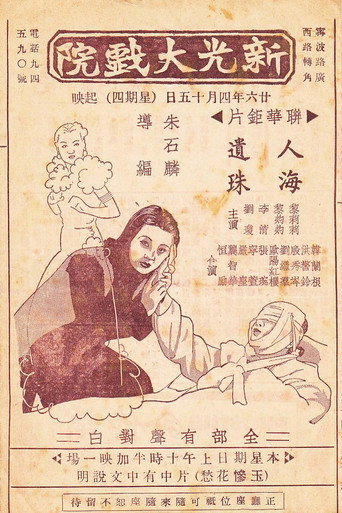
The Lost Pearl
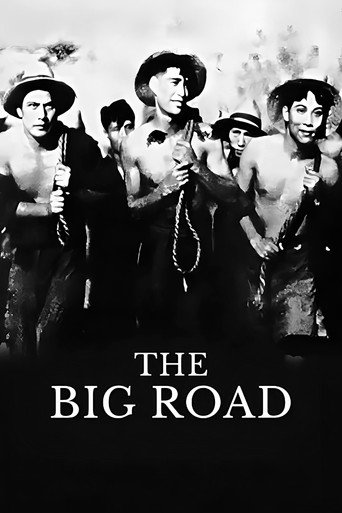
The Big Road
Six young men from the city take jobs building roads for the Chinese Army

Daybreak
A country girl and her boyfriend arrive in Shanghai for a better life. They soon find only desperation. She is raped and falls into prostitution as he drifts into revolutionary circles. Her access through her trade grants her greater access which she uses to aid her revolutionary lover with tragic results.
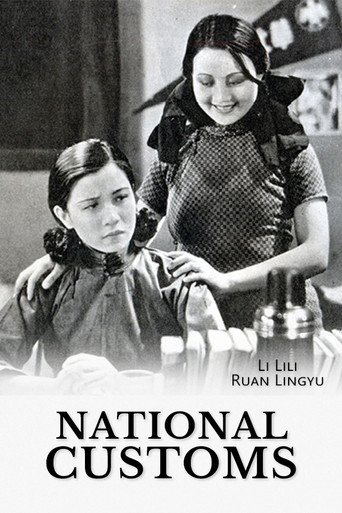
National Customs
In 1930, two sisters from the countryside, the serious Zhang Lan (Ruan Lingyu) and the frivolous Zhang Tao graduate from the secondary school where their mother Zhang Jie serves as principal. They both love their cousin Zuo, but have ambitions other than marriage. Their lives change dramatically when both attend university in Shanghai and encounter modern urban life and rapidly changing society. The film also depicts the emergence of Chiang Kai-shek's 1934 New Life Movement. Lianhua Film Studio did the film to appease the Nationalist Party which accused it of primarily presenting left-wing films, which was true.
Symphony of Lianhua
"Lianhua Symphony" - a small collection, consisting of eight short films shot in 1937 by young filmmakers Shanghai Lianhua Film Company. Part 1: Two Yuans (兩毛錢) directed by Situ Huimin / Part 2: Nightmares in Spring Chamber (春閨斷夢) directed by Fei Mu / Part 3: The Stranger (陌生人) directed by Tan Youliu / Part 4: Three Friends (三人行) directed by Shen Fu / Part 5: Landscape Under the Moonlight (月下小景) directed by He Mengfu / Part 6: The Ghost (鬼) directed by Zhu Shilin / Part 7: Rhapsody of a Madman (瘋人狂想曲) directed by Sun Yu / Part 8: Five Little Brothers (小五義) directed by Cai Chusheng
Poetry Written on the Banana Leaf
China's first song and dance film was "Poetry Written on the Banana Leaf" directed by Sun Yu and starring Wang Renmei in 1932. A battalion commander's lover, named Zhao Zhao, wrote a poem on a banana leaf in memory of the battalion commander. Just as she was about to mail it, she met people in the village holding the Autumn Tage Festival. Zhao Zhao decides to participate the festivities with her friends. Unexpectedly, the banana leaf was lost on the ground. Zhao Zhao rejects a man who tries to pursue her. Mad being rejected, the man picks up the lost banana leaf. He decides to write his own name to it, trying to deceive the battalion comrade that Zhao Zhao has cheated on him. The film is thought to be lost.
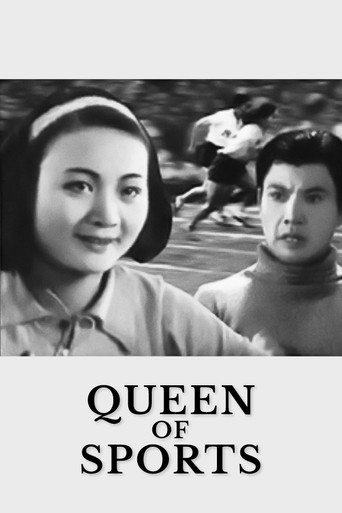
Queen of Sports
Young sprinter Lin Ying enrolls in a sports college in Shanghai. As she becomes a sports celebrity, she starts to mangle with the upper class and has gradually forgotten the true essence of sports.
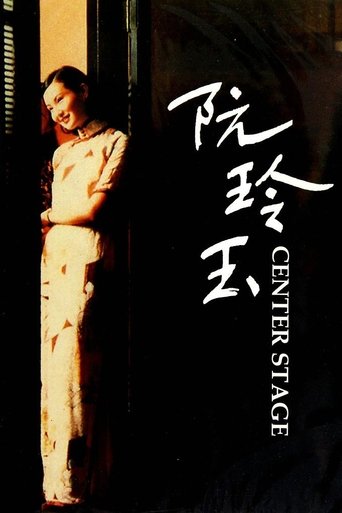
Center Stage
Based on the tragic true story of China's first prima donna of the silver screen, Ruan Lingyu, chronicling her rise to fame as a movie actress in Shanghai during the 1930s.
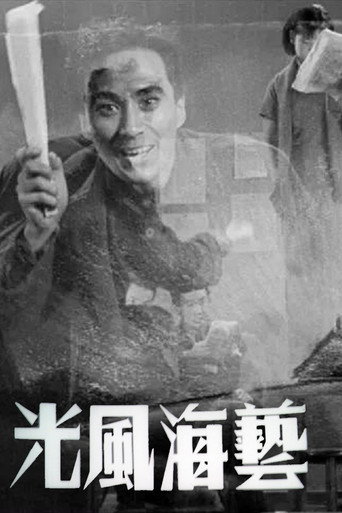
Vistas of Art
Three stories about art stages. "Film City", "Drama Group" and "Dance Class".
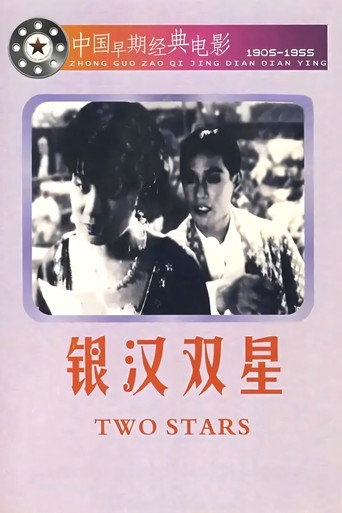
Two Stars in the Milky Way
This is a silent film from China made in 1931. It is about two leads in a film, Yan (Raymond King) and Ying (Violet Wong). They meet after hearing Ying sing while another movie is being shot. You, of course, don't get to hear the song, but it catches people's attention. Once they meet and work together, they fall in love. Is it forever?
Gallery