Sound
No biography available.
The documentary-television director duo Jolán Árvai and László Sántha, while making an entertaining documentary-report montage about the rock life of the period between 1957 and 1973, were mainly curious about how and why the movement's sad metamorphosis began. What intention and what mechanism of action resulted in the withering away and slow death of progressive trends; the most vital ones becoming manipulable and commercialized? The filmmakers do not tell the answer, and they do not tell anyone. They leave it up to the viewer to decide whether they want to answer at all. Because if not, the seventy-five minutes of Rockfogyatkozás will still pass quickly. It carries within itself the possibility of a multi-part series offering an optional experience, with which several layers of viewers can be satisfied at the same time.
Twenty well-known Hungarian artists - 10 right-wing (said to be) and 10 left-liberal (said to be) writers, directors, actors, musicians talk about the regime change and what has happened to us here in the last 30 years.
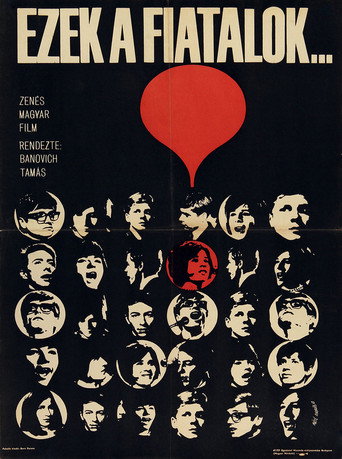
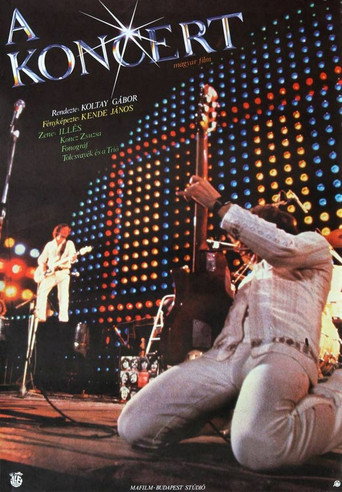
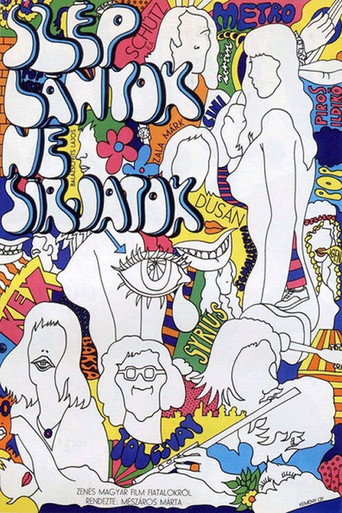
Laci is facing maturation and he wants to work, but his intellectual parents want him to be at the university. Laci feels lonely, because back home the centre is his younger brother and he also deceived in Zsuzsa, his class mate. The girl is already an accomplished pop singer, member of the Illés, and she only returns the love of Laci as a friend. But through Zsuzsa he can meet the members of the well-established group, whose members even lend him their instruments for the concert of the school group. They also play together and another brown girl cheers him already.
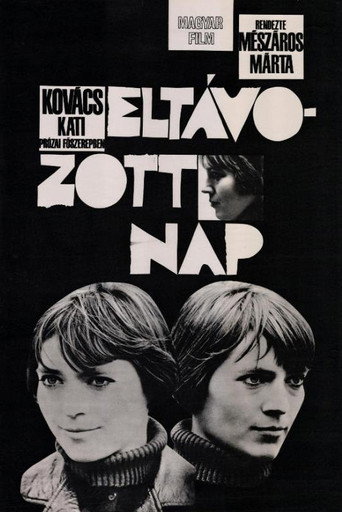
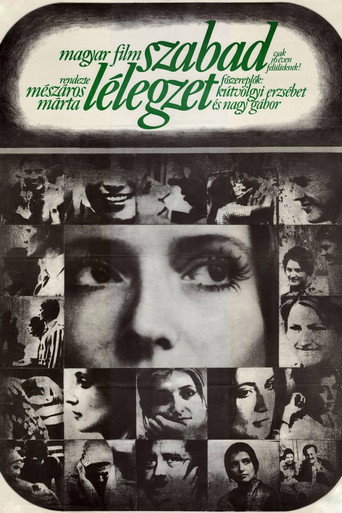
A young woman leaves a state orphanage to find her mother in this interesting examination of how the overt repression of women in the older pattern of village life has been replaced by the more subtle exploitation inherent in the apparently freer existence of young girls in the contemporary city.
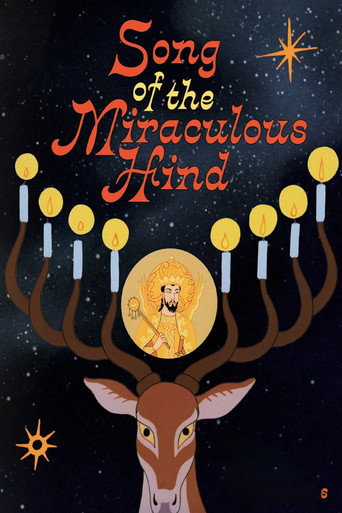
Divided into four sections, "Song" is inspired by the Siberian and Finno-Ugric legends about Creation, in which the world begins with characters who are only half-human, one being half-bird, the other half-bear. The narrator delves into the origins of Hungarian culture, the Iranian and Turkish influences that impacted the society, and finally the story of Stephen, the emperor who brought Christianity to the country and shifted the capital west in an attempt to link with Europe.
Edit, who became the wife of a politician out of a simple peasant girl, suddenly becomes a widow as a result of an accident. She never loved her husband. She lives a wealthy and lonely life amidst false friends, facing one of the last alternatives of her life, i.e. having to face her past in the hope of an independent new beginning.
Savanyú and his friend work at a plant. After the monotonous shifts they engage in the pleasures of the afternoon and the night, i.e. parties and concerts. Savanyú dates Juli, they are already engaged. The young men live as sub-tenants, the young women in workers' hostels. None of these places are suited for spending time together. They are in need of an apartment. Out of the ruinous apartment which they lay siege on, however, they are sent away by the otherwise friendly policeman. At a concert held in the Park of Youth, Juli gets to know Géza. They flirt, then go to the country with a pop-group. Savanyú and his friends follow them. A minor fight cools the atmosphere.
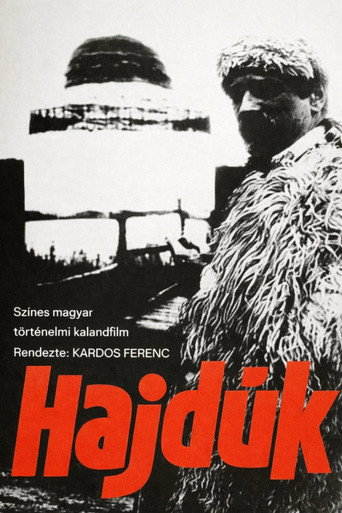
This film, set at the beginning of the 17th century, is the first East-European "Eastern". Bocskai István orders the free Heyducks to shepherd a huge herd of cattle through the country torn to three parts, to the Dalmatian coast, where he can get weapons in exchange, for fighting the Austrians.
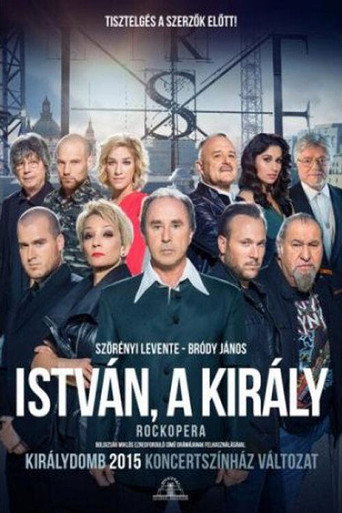
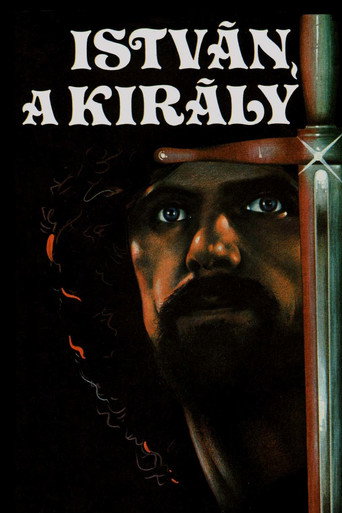
István, a király ("Stephen, the King") is a Hungarian rock opera written by Levente Szörényi (music) and János Bródy (lyrics), based on the life of Saint Stephen of Hungary. The storyline was based on the play Ezredforduló (Turn of the Millennium) by Miklós Boldizsár, who co-wrote the libretto. The opera was first staged in 1983 on an open-air stage in Budapest. This first performance was also made into a 1984 film, directed by Gábor Koltay, and its music released on an album. The musical became a smash hit and is still very popular in Hungary and among Hungarian minorities in neighboring countries.
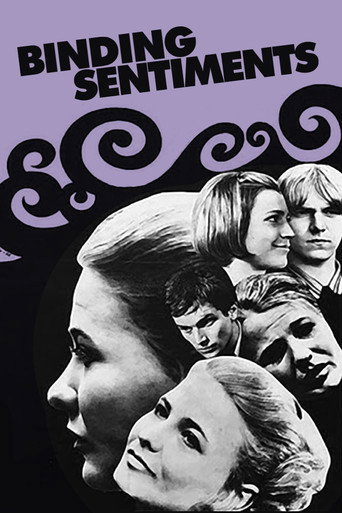
Jutka, a young woman who works in a factory, falls in love with Andras, a university student. She pretends to be a student, to him and to his parents, and begins to live a lie. Finally she rebels against Andras and his demands and the social conventions that forced her to live a lie.
This light comedy with grotesque elements tells the story of M, the young and beautiful model mother, who seeks happiness and a father for her precocious, but inventive daughter, Tündike.
A mystical rock opera The opera by composer Levente Szörényi and librettist Zsolt Pozsgai (based on the play by Tibor Fonyódi) recalls one of the most controversial, interesting and yet least known periods in Hungarian history. We are in the aftermath of Stephen's death, when, with Peter Orseolo on the throne, more and more people are demanding the return of the representatives of 'Árpád's people'.