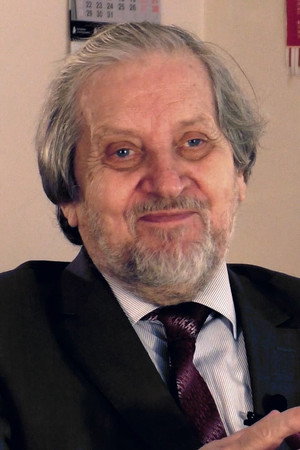
Leonid Mozgovoy Movies, TV Shows, and Filmography
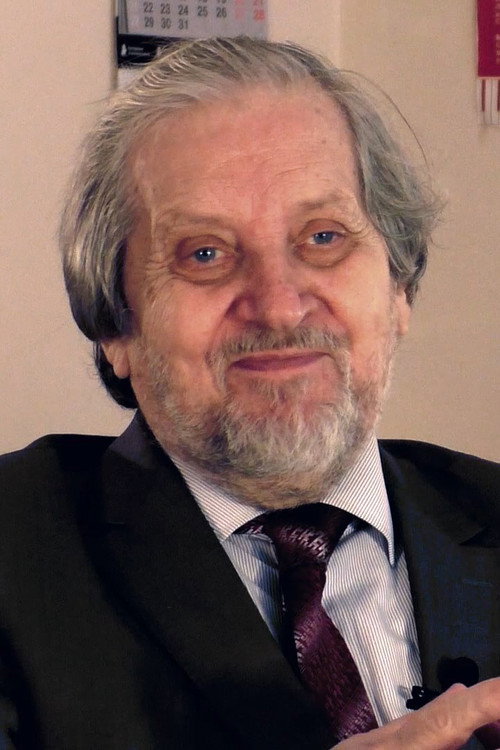
Leonid Mozgovoy
Acting
Biography
Leonid Mozgovoy was born on April 17, 1941 in Tula. In 1961-1965 he studied at the Leningrad state Institute of theater, music and cinematography (LGITMiK) at the faculty of dramatic art (course of Professor B. V. Zona). His fellow students were Olga Antonova, Lev Dodin, Viktor Kostetsky, Sergei Nadporozhsky, Natalia Tenyakova, Vladimir Tykke. About his teacher and the learning Process L. Brain recalls in detail in the book "School of Boris". Lessons of acting and directing" (St. Petersburg., 2011.). From 1965 to 1970 he worked at the Leningrad theatre of musical Comedy. In 1967 he became a Laureate of the Leningrad competition of artists-readers[4]. He is well known as an actor of literary variety, for many years he successfully works in " Lenkontsert "(now - "Petersburg-concert"). Popular is his one-man show "Funny" by F. M. Dostoevsky in the St. Petersburg classical theater. His debut work in film was the role of A. p. Chekhov in the film "Stone" by Alexander Sokurov[5]. He became a favorite actor of the Director, starring in his paintings "Moloch" (Hitler) and "Taurus" (Lenin).
Filmography Movies
Acting
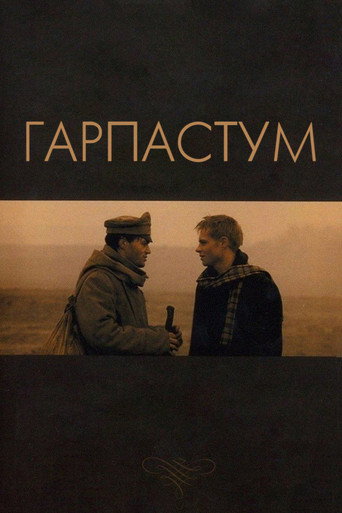
Garpastum
Garpastum is a Latin word meaning ball game. Set in 1914 in St. Petersburg, the brothers Andrey and Nikolai are passionate about the matches they play on the streets. They hatch a scheme to buy a playing field. But World War I has already begun and soon their lives and dreams will be shattered.
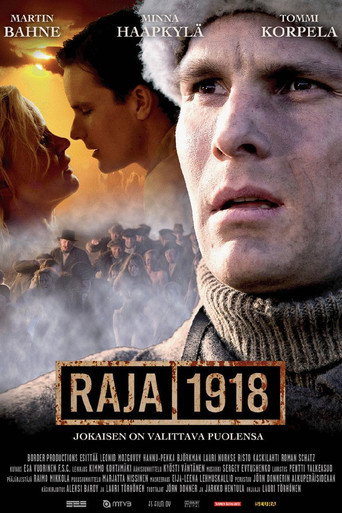
The Border
The young man must set up a clear border between Finland and Russia, white and red, enemy and friend, us and them. While the task seems clear he finds out the execution of his command in concrete situations is very difficult. Right choices turn out to be wrong ones and correcting them make things worse.
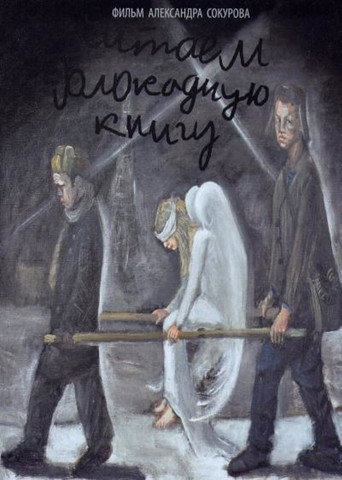
Reading Book of Blockade
Famous actors and ordinary people from all walks of life read stories from a book describing the 900-day siege of Leningrad during World War II.
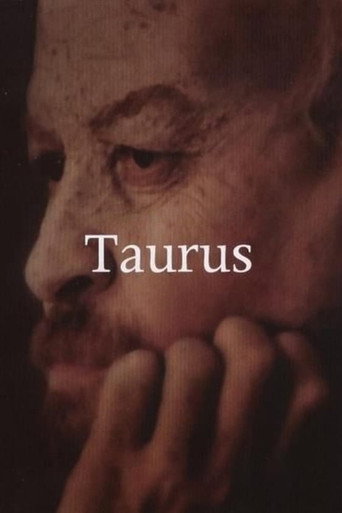
Taurus
Unfolding over two days in 1924, the film depicts the dying Lenin, world revolutionary and father of the USSR, now powerless and isolated at his Gorki estate. Cared for by his wife, Nadezhda Krupskaia, sister Maniasha, his German doctor and several attendants, Lenin raves about his diminishing faculties, discusses the deaths of great figures (including Marx), rides a car to a picnic in a meadow and ponders his historic legacy.
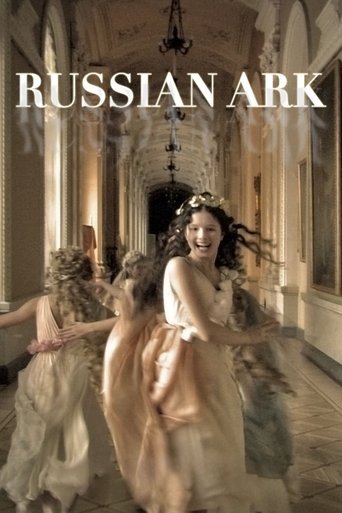
Russian Ark
A ghost and a French marquis wander through the Winter Palace in St Petersburg, encountering scenes from many different periods of its history.
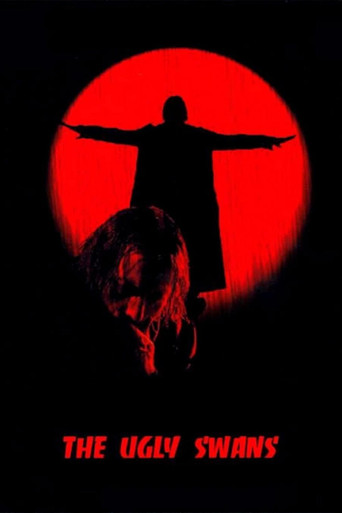
The Ugly Swans
In the near future, writer Victor Banev gets himself on a UN commission to investigate what's going on in the remote town of Tashlinsk, where reports tell of a virus-created race of brainiac mutants. Banev's tween daughter Ira is enrolled at a school for gifted children which has been taken over by the mutants, who have grown to despise ordinary humanity.
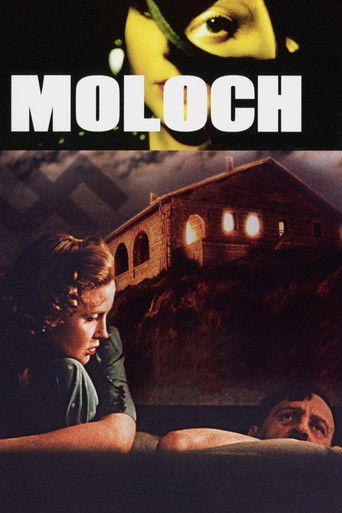
Moloch
In 1942 Bavaria, Eva is alone, when Adolf arrives with Josef, his wife Magda, and Martin to spend a couple of days without politics.
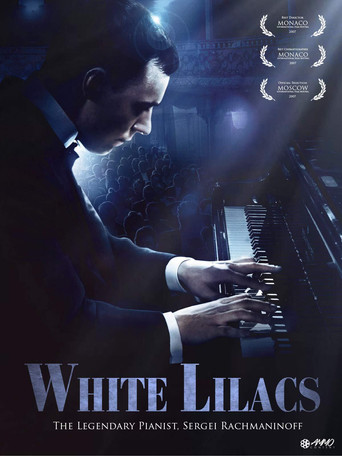
White Lilacs
From his childhood in Russia to his last days in California, the tumultuous ininerary and bathed in melancholy of the legendary pianist and composer Serguei Rachmaninov. This film is based on the legend that Rachmaninoff received a bouquet of lilacs from an unknown admirer after every performance. He emigrated to the United States, and after an interval, began to receive the mysterious lilacs again.
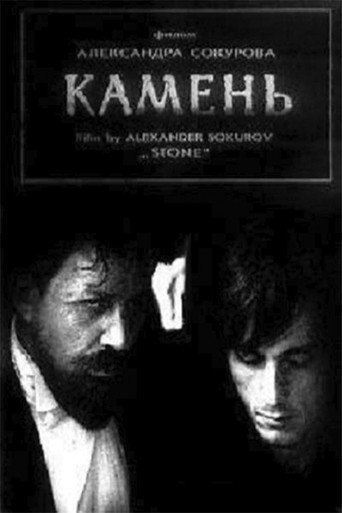
Stone
A young night watchman at the Anton Chekhov museum in Yalta encounters a mysterious, weary intruder who appears to be the playwright himself, returned from the dead. Over the course of a single night, the two share a series of quiet, existential interactions within the preserved rooms of the estate.
Gallery