Leonid Kuravlyov Movies, TV Shows, and Filmography
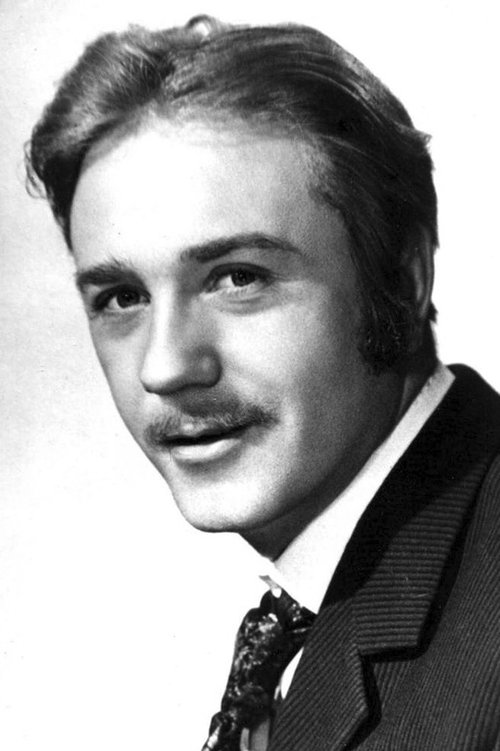
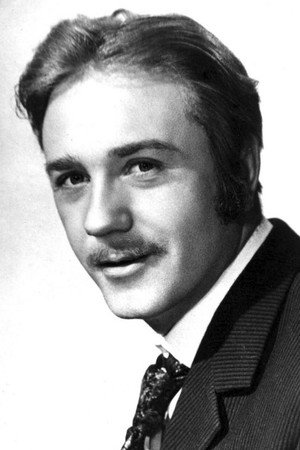
Leonid Kuravlyov
Acting
Biography
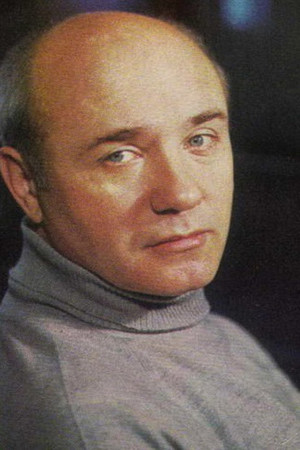
Soviet and Russian film actor. He became a People’s Artist of the RSFSR in 1976. Kuravlyov was born in Moscow into a working-class family. His father Vyacheslav Yakovlevich Kuravlyov (1909–1979) worked as a locksmith at the Salyut Machine-Building Association and his mother Valentina Dmitriyevna Kuravlyova (1916–1993) was a hairdresser. In 1941 with the start of the Nazi invasion of the Soviet Union (known in Russia as the Great Patriotic War) his mother was arrested on false report, accused of counter-revolutionary activity (Article 58) and exiled to Karaganda, Kazakh SSR to work at the local plant. In five years she was freed without a right to live in Moscow and sent to Zasheyek, Murmansk Oblast in the Russian far north where she continued working as a hairdresser. In 1948 she managed to get a permission to see her son who spent a year with her at Zasheyek, and in 1951 she finally returned to Moscow. In 1955 Kuravlyov entered VGIK to study acting under Boris Bibikov. He graduated in 1960 and joined the Theater Studio of Film Actors. He made his first movie appearances while still a student. In 1960 he was noted by Vasily Shukshin and took part in his diploma film Reported From Lebyazhye. In 1961 they both starred in the popular melodrama When the Trees Were Tall, and in 1964 Shukshin gave him the leading role in his comedy movie There Is Such a Lad which brought Kuravlyov true fame and which he considered to be the start of his successful movie career. He also acted in Your Son and Brother (1965) and felt so grateful for what the director did for him that he later named his son after Shukshin. The role of Shura Balaganov in Mikhail Schweitzer’s comedy The Little Golden Calf based on the book by Ilf and Petrov was one of his first successful roles: he managed to create an image of a brash yet charming petty thief. His other notable roles of that period include Khoma Brut in one of the first Soviet horror movies Viy (1967), antagonist Sorokin in a psychological melodrama Not Under the Jurisdiction (1969), Robinson Crusoe in Stanislav Govorukhin’s Life and Amazing Adventures of Robinson Crusoe (1972), a Nazi officer Kurt Eismann in Seventeen Moments of Spring (1973) and Lavr Mironovich in Pyotr Todorovsky’s The Last Victim (1975). In the 1970s he appeared in three to four films per year. Even though Kuravlyov was adept at playing serious dramatic roles, he is still best known for his leading roles in top-grossing comedy movies such as Afonya (1975) by Georgiy Daneliya (11th highest-grossing Soviet film, highest grossing film of the year, 62.2 mln viewers), Leonid Gaidai’s Ivan Vasilievich: Back to the Future (1973, 17th highest-grossing film, 60 mln viewers) and It Can’t Be! (1975, 46th highest-grossing film with 46.9 mln viewers), The Most Charming and Attractive (1985) by Gerald Bezhanov (the highest-grossing film of 1985, 44.9 mln viewers) and others. During the late 1990s he hosted a popular TV programme The World of Books with Leonid Kuravlyov where he talked about new book releases. In two years it was closed and then relaunched with new hosts. In 2012 he was awarded the IV class Order “For Merit to the Fatherland”. From Wikipedia, the free encyclopedia
Filmography Movies
Acting
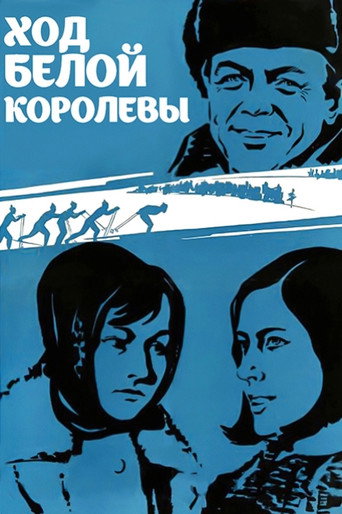
White Queen's Move
A ski coach in a midlife crisis is about to quit his career in sports.
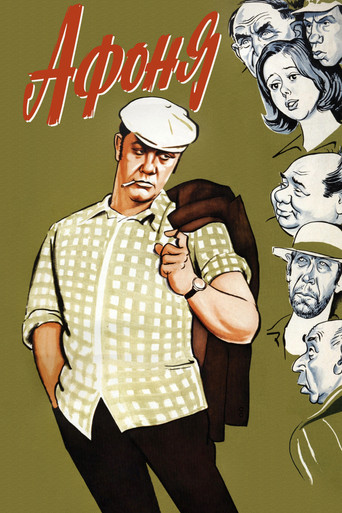
Afonya
The 1975 film by Georgi Daneliya "Afonya" was an unexpected commercial hit in USSR. The main character "Afonya" Borshev is a plumber, who spends his life partying with "buddies", many of whom he doesn't even remember after nights of heavy drinking. His wife leaves him, his boss places him on probation, his whole life is falling apart, but he doesn't realize it. Afonya met Katya at a dance club, yet didn't pay her much attention. But she is the one, who can save him... In this movie Daneliya achieves a perfect balance of satire and drama. Quotes from the movie gained a cult status in USSR.
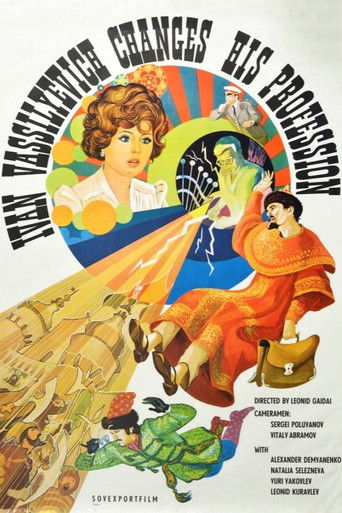
Ivan Vasilyevich Changes His Profession
A scientist builds a time machine and accidentally sends his apartment complex manager and a petty burglar to 16th century Moscow, while Tsar Ivan the Terrible travels to 1973.
Крыса на подносе
A gentleman and his friend attended an exhibition of new art where modernist artists exhibited their ridiculous works. Among them is a dead rat on a tray. The gentleman buys the "work" and invites the authors to his house for dinner, warning that it will be as original as their painting. The assembled guests intend to honor the invited modernists by smearing them with raspberry jam. The artists run around the room and finally hide under the table. After apologizing to themselves, they leave the reception.
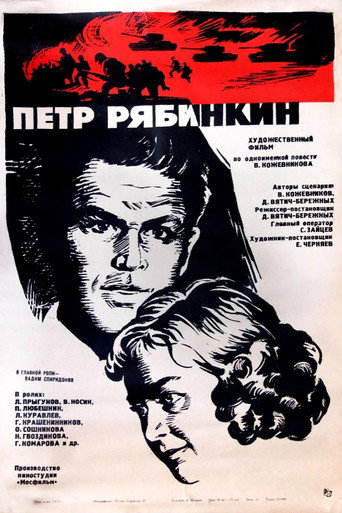
Pyotr Ryabinkin
Based on the novel of the same name by V. Kozhevnikov. The film is about the heroism of Soviet workers, clearly manifested during the WWII.
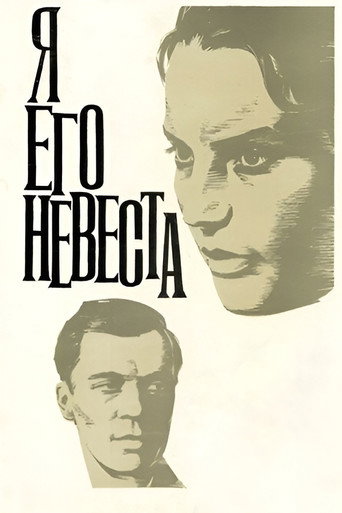
I Am His Bride
The court undeservedly passes a harsh sentence on a young worker Volodya Kharlamov. His girlfriend Valya, whom Volodya once saved from hooligans, and the people's assessor Mitrokhin actively insist on a review of the case. In the end, they are joined by others who knew Kharlamov well, but who were significantly hindered by simple human qualities - fear, selfishness and indifference.
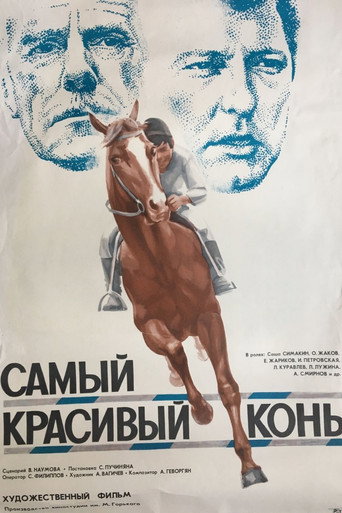
The Most Beautiful Horse
A serious passion for equestrian sports helped the F student become one of the best in the class.
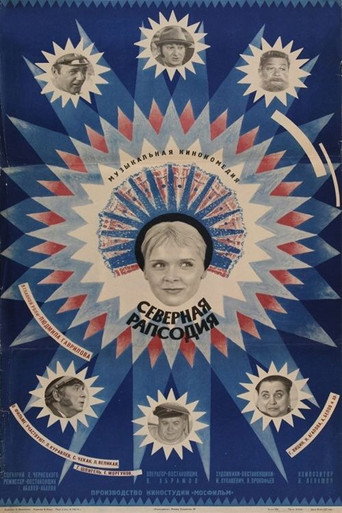
Northern Rhapsody
Tonya, a winner of a regional competition, is admitted to the entrance exams to the capital's Song and Dance Ensemble. The young polar pilot Ladeikin helps the girl to get from the Far North to Moscow and become a soloist of the ensemble.
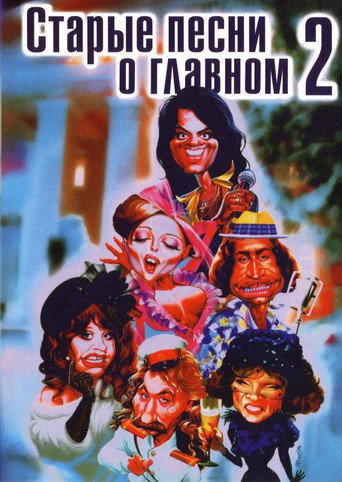
Old Songs about the Main Thing 2
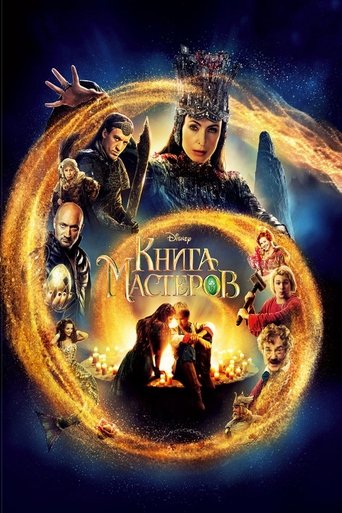
The Book of Masters
A beautiful and kind girl, daughter of Baba Yaga, finds a magical stone Alatyr while walking in a field. It transforms her heart into a stone and puts her under a queer curse. She is to be the evil Countess of Stones and live in a stone tower. If the greatest gem-cutter in the world brings the stone of Alatyr to life, though, she'll become the ruler of the world. The Stone Countess, now cruel and selfish, is fascinated with the idea. She starts searching for the best gem-cutters and forces them to work with Alatyr, so the magical stone would become a living thing. Neither of the gem-cutters succeeds, so she kills them. While being imprisoned in her tower, they work on a large book about the secrets of gem-cutting. Each of them edits the book, so it's later named "the Book of Masters".
Gallery