Leonardo Henríquez Movies, TV Shows, and Filmography

Leonardo Henríquez
Writing
Biography
Leonardo Henríquez did studies on publicity at the New York Institute of Advertising between 1970 and 1973. He studied direction and film technique from 1974 to 1978 at the Conservatoire Libre du Cinema Francais of Paris, France, and then, took part in a workshop on the most advanced film and video techniques, at the FEMIS institute of France. First, he achieved prestige as editor in Diego Risquez´s films Orinoko, nuevo mundo and América, tierra incógnita, Alberto Arvelo´s La canción de la montaña and Candelas en la niebla. As screenwriter he was involved in some projects as Bordeline and Tierna es la noche. His main films as director are the short film Borderline and the feature films Tierna es la noche (1990), Tokyo-Paraguaipoa (1996), Sangrador (2000) and El infierno perfecto (2006). The filmmaker put aside his camera and his director chair to devote himself to writing Días misántropos, an audacious narrative proposal and an incisive look to his fellow country men, in which the theme of coexistence or its absence in today’s world is the main subject. According to Henríquez, the novel is the most simply and the less expensive way to express his believes about the political, social and even economical development of Venezuela, since the cinema of author, according to the filmmaker's opinion, seems not to have a place in contemporary Venezuela.
Filmography Movies
Acting


Amerika, Terra Incognita
This low-budget avant garde feature uses no dialogue in telling the story of the reaction of the Spanish court after the initial exploration of America. A botanist revels in his collection of new plants. A native is baptized in a church ceremony, and nuns and court jesters appear throughout this rambling feature.
Production
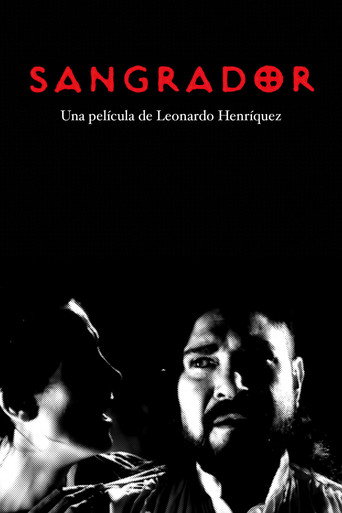
Bleeder
Maximilian was a righteous man, but a member of a fearsome clan of bandits. One day he encounters the destination: the witches of the moors advocate his ascension to the control of the band. From that moment, the man was just what doubts assail, ambition, fear of betrayal and the oath of obedience to the will of the chief Durán, who must kill to take command.
Bleeder
Maximilian was a righteous man, but a member of a fearsome clan of bandits. One day he encounters the destination: the witches of the moors advocate his ascension to the control of the band. From that moment, the man was just what doubts assail, ambition, fear of betrayal and the oath of obedience to the will of the chief Durán, who must kill to take command.
Bleeder
Maximilian was a righteous man, but a member of a fearsome clan of bandits. One day he encounters the destination: the witches of the moors advocate his ascension to the control of the band. From that moment, the man was just what doubts assail, ambition, fear of betrayal and the oath of obedience to the will of the chief Durán, who must kill to take command.
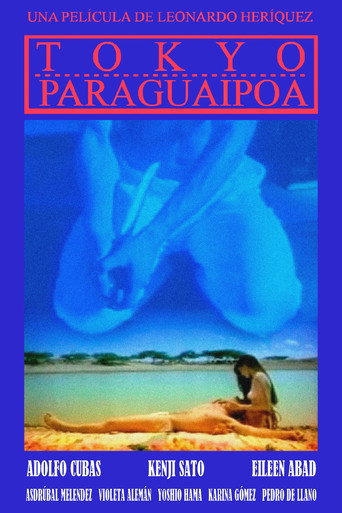
Tokyo-Paraguaipoa
Ryuzo, Japanese young man who has committed a crime of passion in Tokyo, is sent by his father to Paraguaipoa to escape justice. In this place, inhabited by the Wayuu ethnic group, meets Princess Campanula. Among them was a love affair, not welcomed by the smuggler Challenger occurs.
Tokyo-Paraguaipoa
Ryuzo, Japanese young man who has committed a crime of passion in Tokyo, is sent by his father to Paraguaipoa to escape justice. In this place, inhabited by the Wayuu ethnic group, meets Princess Campanula. Among them was a love affair, not welcomed by the smuggler Challenger occurs.
Tokyo-Paraguaipoa
Ryuzo, Japanese young man who has committed a crime of passion in Tokyo, is sent by his father to Paraguaipoa to escape justice. In this place, inhabited by the Wayuu ethnic group, meets Princess Campanula. Among them was a love affair, not welcomed by the smuggler Challenger occurs.
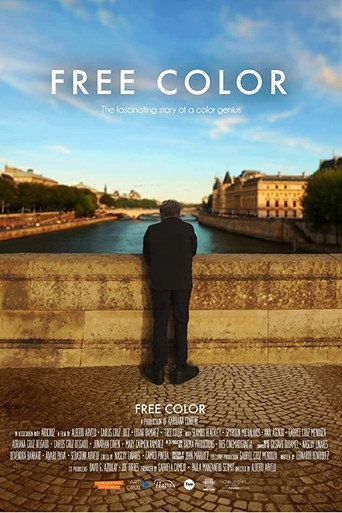
Free Color
Carlos Cruz-Diez is one of the most prominent and influential Kinetic-Optic artists of our times. At 94 years of age, Cruz-Diez pursues an avant-garde challenge: to free color from form. This documentary follows the Maestro as he undertakes the most daring project of his creative life in his twilight years.

El Infierno Perfecto
This is tragic comedy about how Candide was brought up in the best of all possible worlds, and how he was expelled from it; how he lost his beloved Beatrice and his master Azcarate; passing through existential storms and shipwrecks; of faith and encounters with the miseries of the universe; and how Candide wanted, at all times, that this was the last day of the world
El Infierno Perfecto
This is tragic comedy about how Candide was brought up in the best of all possible worlds, and how he was expelled from it; how he lost his beloved Beatrice and his master Azcarate; passing through existential storms and shipwrecks; of faith and encounters with the miseries of the universe; and how Candide wanted, at all times, that this was the last day of the world
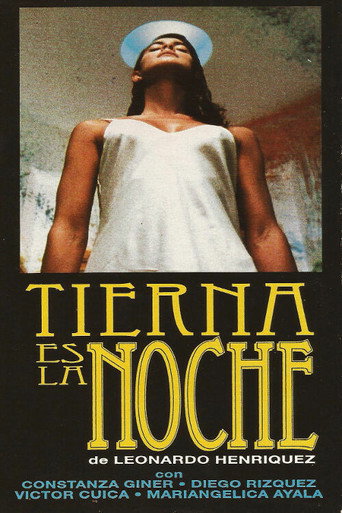
Tierna es la Noche
Tierna es la Noche is a film without bullets nor sea, without mosquitoes, without peasants nor flowers. It only contains a barman, a man and a beautiful woman who lives in a bathroom. For commercial reasons, we have included two policemen, a drop of blood and a multilingual nymphomaniac. For aesthetic reasons, a tear and a black man. For both reasons, the film takes place anachronically, during the fifties and nineties in a make-believe city called Caracas. It's a story of histerics, like all stories, unfinished.
Gallery