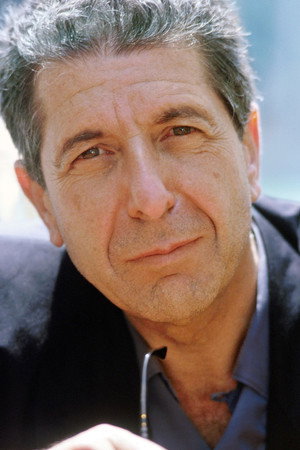
Leonard Cohen Movies, TV Shows, and Filmography
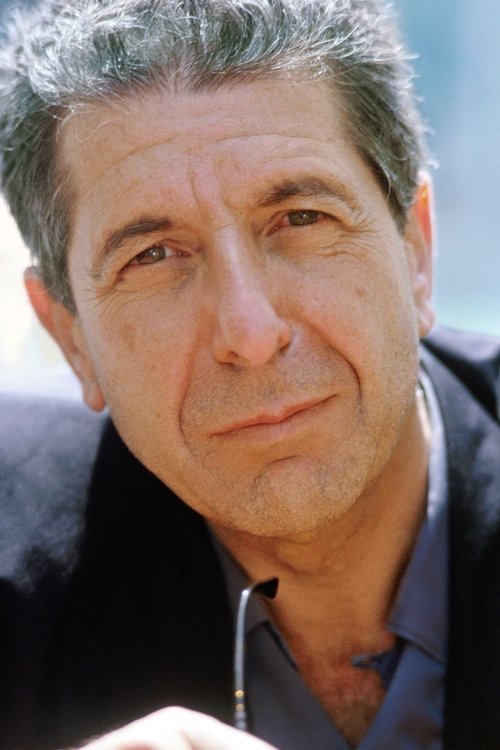
Leonard Cohen
Sound
Biography
Leonard Norman Cohen, CC GOQ (September 21, 1934 – November 7, 2016) was a Canadian singer, songwriter, poet, novelist, and painter. His work mostly explored religion, politics, isolation, sexuality, and personal relationships.[2] Cohen was inducted into both the Canadian Music Hall of Fame and the Canadian Songwriters Hall of Fame as well as the Rock and Roll Hall of Fame. He was a Companion of the Order of Canada, the nation's highest civilian honor. In 2011, Cohen received one of the Prince of Asturias Awards for literature and the ninth Glenn Gould Prize. Cohen pursued a career as a poet and novelist during the 1950s and early 1960s, and did not launch a music career until 1967, at the age of 33. His first album, Songs of Leonard Cohen (1967), was followed by three more albums of folk music: Songs from a Room (1969), Songs of Love and Hate (1971) and New Skin for the Old Ceremony (1974). His 1977 record Death of a Ladies' Man was co-written and produced by Phil Spector, which was a move away from Cohen's previous minimalist sound. In 1979 Cohen returned with the more traditional Recent Songs, which blended his acoustic style with jazz and Oriental and Mediterranean influences. "Hallelujah" was first released on Cohen's studio album Various Positions in 1984. I'm Your Man in 1988 marked Cohen's turn to synthesized productions and remains his most popular album. In 1992 Cohen released its follow-up, The Future, which had dark lyrics and references to political and social unrest. Cohen returned to music in 2001 with the release of Ten New Songs, which was a major hit in Canada and Europe. His eleventh album, Dear Heather, followed in 2004. After a successful string of tours between 2008 and 2010, Cohen released three albums in the final four years of his life: Old Ideas (2012), Popular Problems (2014) and You Want It Darker (2016), the last of which was released three weeks before his death. Description above from the Wikipedia article Leonard Cohen, licensed under CC-BY-SA, full list of contributors on Wikipedia
Filmography Movies
Acting
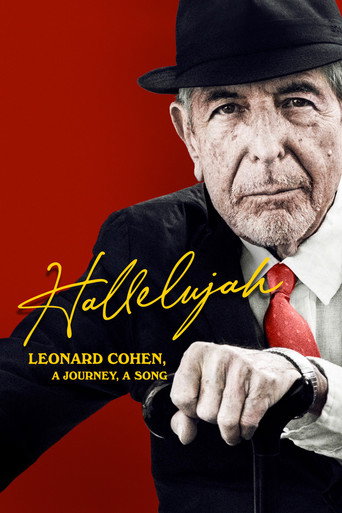
Hallelujah: Leonard Cohen, a Journey, a Song
This feature-length documentary explores the life of singer-songwriter Leonard Cohen as seen through the prism of his internationally renowned hymn, Hallelujah.
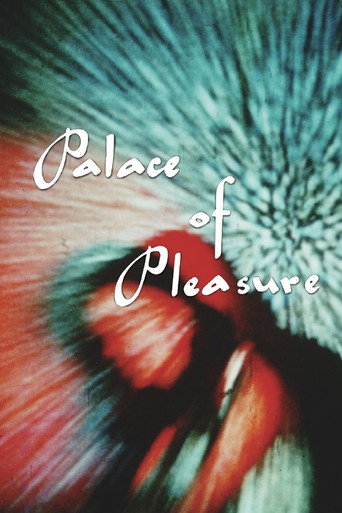
Palace of Pleasure
John Hofsess’s The Palace of Pleasure emerged from the psychedelic haze of 1960s postmodern art. It was a blistering work that combined arresting abstract imagery with the wounded expressions of a young couple, edited into a collage of mass culture imagery and album and book jackets, all of it framed as a therapeutic treatment. Addressed to a generation coming up in an era of protest and social change, where many found themselves increasingly burdened with hopelessness, paranoia, and neurosis, The Palace of Pleasure was offered as a cleansing ritual, a post-Freudian expelling of dammed-up energies that anticipated The Primal Scream. In this video, Stephen Broomer discusses Hofsess’s therapeutic ambitions, how the film was composed of Hofsess’s earlier films, and the sensual spell of the work, the way in which it commands us to enter into a universal fellowship of touch that circulates, from us to us, through us, to strain the boundaries between the self and the other.
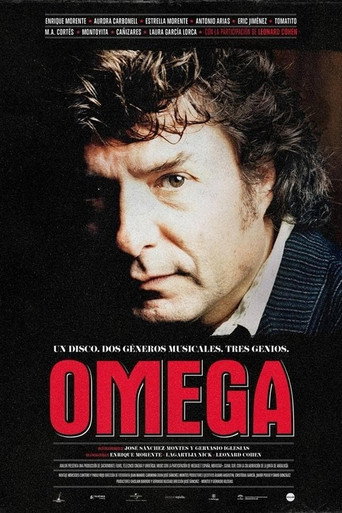
Omega
Documentary about the revolutionary flamenco-rock album "Omega", composed by maestro Enrique Morente and the Granada group Lagartija Nick in 1996. A groundbreaking album with great impact on the national and international music scene in which Morente adapted songs by the singer-songwriter Leonard Cohen and he put music to poems by Federico García-Lorca.
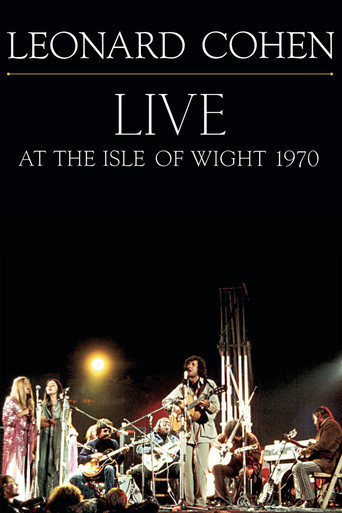
Leonard Cohen: Live at the Isle of Wight 1970
Forty summers ago on a windswept island just off England's southern coastline, a young Canadian folksinger-songwriter-poet-novelist named Leonard Cohen delivered the performance of a lifetime.
Creative Person: Leonard Cohen
Canadian poet Leonard Cohen, who now resides on the island of Hydra in Greece, is shown in his native city of Montreal. The program explores Cohen's childhood and his subsequent development as one of Canada's leading new writers. The film takes viewers to the house Cohen was brought up in as well as to the places of Montreal he enjoys frequenting—his favorite bistro, a three dollar-a-day hotel, the public park, the exclusive section called Westmount, and a Greek grocery store. Cohen himself is shown at a recording session, at public readings of his poetry, displaying home movies of his childhood, and commenting on university life. He also reflects on his visit to Cuba, his girlfriend in Greece, his obsession with danger and his friends and their personalities.
Message to Love - The Isle of Wight Festival
In August 1970, 600,000 fans flocked to the Isle of Wight to witness the third and final festival to be held on the island. Besides the music, they also got a look at the greed, cynicism and corruption that would plague the music industry for years to come. They also witnessed the final, drugged out performance of Jimi Hendrix in England just two weeks before he would meet a tragic death. When it all was over, the fans view of rock and roll was never the same.
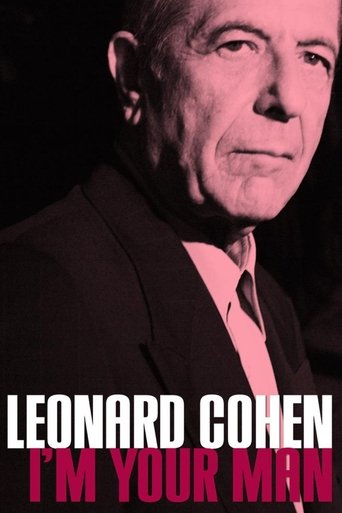
Leonard Cohen: I'm Your Man
Poet, singer / songwriter and ladies man Leonard Cohen is interviewed in his home about his life and times. The interview is interspersed with archive photos and exuberant praise and live perfomances from an eclectic mix of musicians, including: Jarvis Cocker, Rufus & Martha Wainwright, Teddy Thompson, ANOHNI, The Handsome Family and U2's Bono and The Edge.
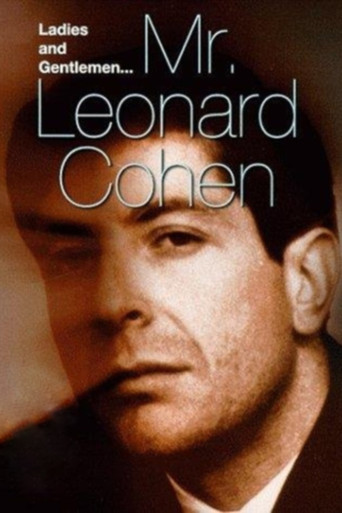
Ladies and Gentlemen, Mr. Leonard Cohen
A 1964 documentary portrait of Cohen in his pre-musician days as a poet and stand-up comedian.

Canadian Hits at the BBC
It’s time to Canuck n’ Roll as we celebrate Canada Day with a trip through the best of the BBC’s music archives, exploring some of that great nation’s finest music stars.
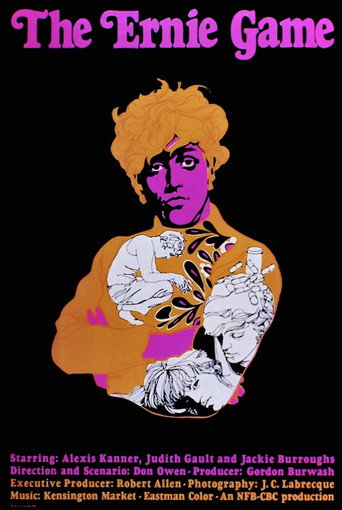
The Ernie Game
This fictional feature follows a twenty-something man who is struggling to define his position in the world in early adulthood. He has left their parents' home but still has not made an home of his own. Our protagonist’s alienation is palpable; for him life is a game, not because he chooses to make it so, but because he is unable to make anything more of it. But for those who befriend him and eventually turn him loose again, his game is not enough.
Production
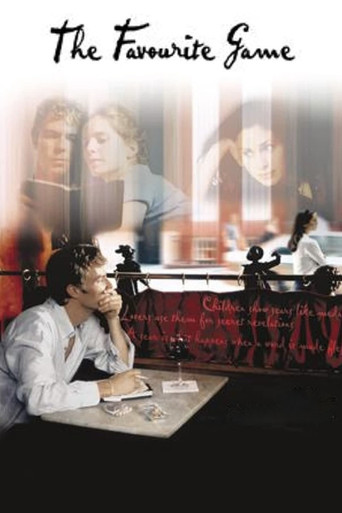
The Favourite Game
As a kid, Leo thought he possessed, like a magician, the secret power to make things happen. As a young man, he certainly knows how to make things happen with women. But as his best friend Krantz would say to him, "Why do you always ask questions you already know answers to?" Leo believes firmly in what he invents from one day to the next. Images, impressions, stories fill his head. That's just how he is: life, for Leo, is just a game. Behind this childlike attitude, hides the very essence of his own life's quest.
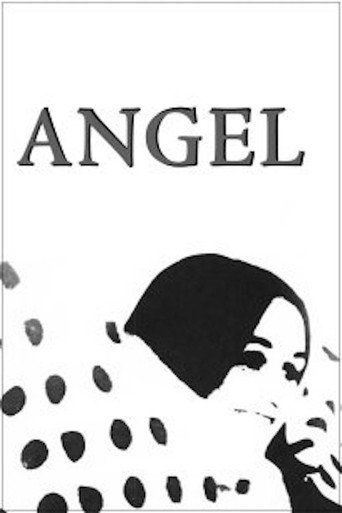
Angel
In this short film, a young man, a girl and a dog attempt to fly with wings more symbolic than practical.
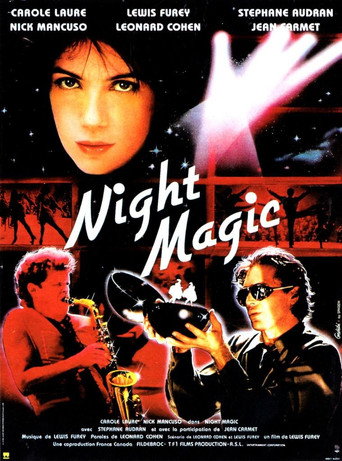
Night Magic
Night Magic, a musical fantasy, is set on earth but it is also about the heavens. At the centre of it all is Michael, a music hall artist, who finds Judy, an angel that epitomizes the woman of his dreams at the System Theatre where he is about to open his new show. For Michael it is just another show along the road but once inside something happens. The night is full of possibilities- full of love and romance, jealousy and infidelity, music and dance, even good and evil. Most of all it is full of magic.
The Ernie Game
This fictional feature follows a twenty-something man who is struggling to define his position in the world in early adulthood. He has left their parents' home but still has not made an home of his own. Our protagonist’s alienation is palpable; for him life is a game, not because he chooses to make it so, but because he is unable to make anything more of it. But for those who befriend him and eventually turn him loose again, his game is not enough.
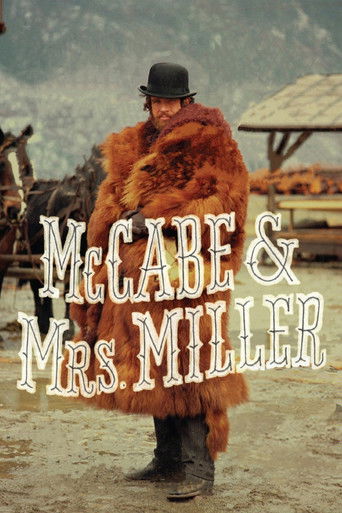
McCabe & Mrs. Miller
A gambler and a prostitute become thriving business partners in a remote Old West mining town until a large corporation arrives on the scene.
Night Magic
Night Magic, a musical fantasy, is set on earth but it is also about the heavens. At the centre of it all is Michael, a music hall artist, who finds Judy, an angel that epitomizes the woman of his dreams at the System Theatre where he is about to open his new show. For Michael it is just another show along the road but once inside something happens. The night is full of possibilities- full of love and romance, jealousy and infidelity, music and dance, even good and evil. Most of all it is full of magic.
The Ernie Game
This fictional feature follows a twenty-something man who is struggling to define his position in the world in early adulthood. He has left their parents' home but still has not made an home of his own. Our protagonist’s alienation is palpable; for him life is a game, not because he chooses to make it so, but because he is unable to make anything more of it. But for those who befriend him and eventually turn him loose again, his game is not enough.
Cœur bleu
"In this journey, Courant's heroine wanders through the clouds and Pyrenees mountains way after the world's destruction [...] Songs by Brigitte Bardot, Marilyn Monroe and Leonard Cohen, scores by Vivaldi, Kraftwerk and Johan Strauss, they all form this eclectic and defying musical atmosphere from which Courant dreams about a point of view that would allow him to find a rhythm in a constantly changing abysmal paradise" -Diego Trerotola
Poets on Film No. 1
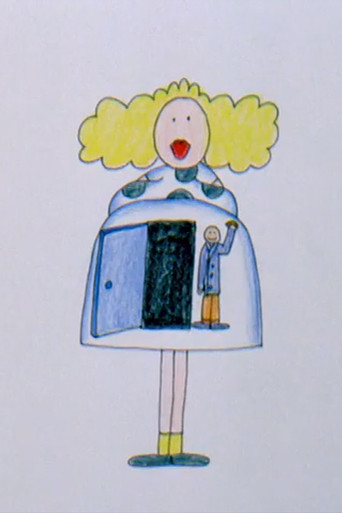
This short film brings together animated interpretations of four poems by great Canadian wordsmiths: "Riverdale Lion" by John Robert Colombo, "A Kite Is a Victim" by Leonard Cohen, "Klaxon" by James Reaney and George Johnston’s "The Bulge."
I'm Your Man
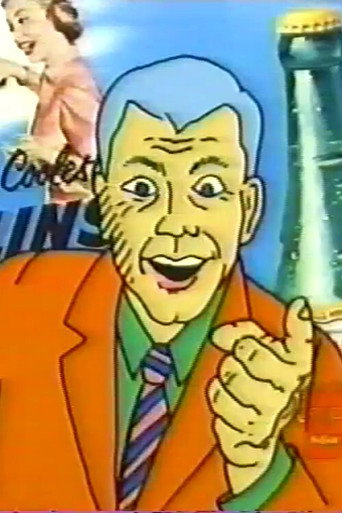
Set to Leonard Cohen's 1988 song "I'm Your Man", this animated short offers a playful meditation on romance and the clichés that go with it.
Gallery