Acting
No biography available.
Laia and Emil are enjoying their semester abroad in Munich. While Laia feels perfectly fine just having sex with Emil, his profession of deeper feelings puts her on the defensive.
Young adults growing up in an oppressed society, finding ways to fight back and discovering as individuals who they truly are.
In this stylish and ruthless satire, a famous performance artist faces an unexpected crisis when real-world political matters complicate her latest impeccably provocative and eminently bankable piece.
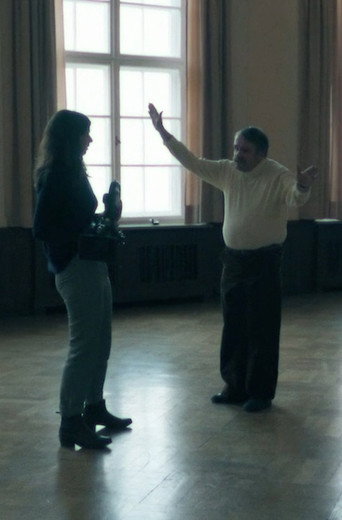
“Light and Shadow” is a fictional 1970s short documentary about the blind filmmaker Christopher Keller. In improvised interviews and scenes, the film introduces the unlikely and obscure artist personality. A playful exploration of the power of assertion and the cameras abilty to construct reality.
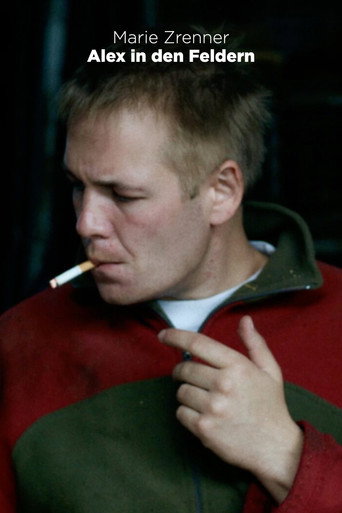
Adrian, a young ex-alcoholic trying to start a new life, is living on an addiction treatment farm. When Alex shows up out of nowhere and the two outsiders get closer, he risks to lose everything.
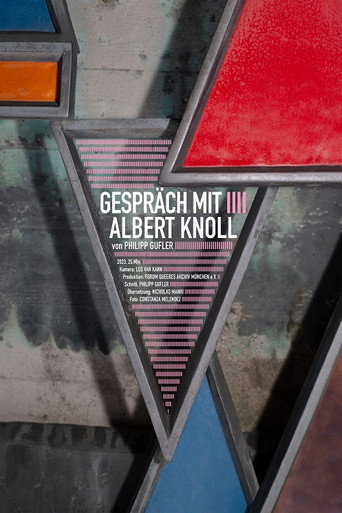
"For some time now I wanted to shoot a short film about Albert Knoll's tireless self-organized historical work and ask him why he has dedicated a large part of his life to commemorating the crimes against humanity committed during the Nazi dictatorship and what this archival work has done to him. A special focus is on oral history, as I am interested in how, as a conversational partner, one preserves their knowledge and experiences in a certain way after the death of the contemporary witnesses. After Albert Knoll has done so many contemporary witness interviews the last thirty years and was the one who asked the questions, I reversed the situation in the short film and interviewed him." - Gufler
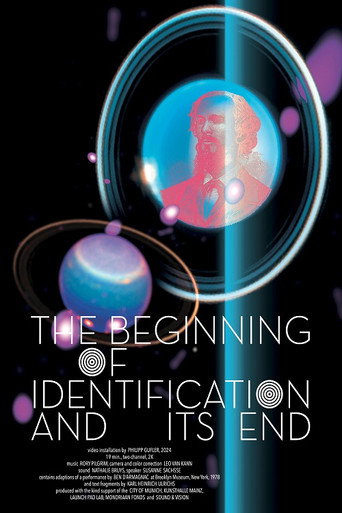
A video installation composed of a performance by the artist alongside archival film scenes centered on queer and transgender content. Presented across two projections, the film juxtaposes explicit and everyday expressions of non-normative sexuality: from people dancing freely at a lesbian party to Charlotte Charlaque's reverent smile, and the provocative speeches of far-right homosexual politicians. This collage is underscored by a rich soundtrack featuring recitations from Karl Heinrich Ulrichs’s seminal 19th-century texts advocating for decriminalizing homosexual love, interwoven with atmospheric and pulsating soundscapes by English artist Rory Pilgrim. These elements immerse viewers in a poetic and political reflection on the histories and expressions of excluded sexualities and genders.
The "HealMe" is a device that can apparently solve all problems. However, the device has no effect on Oskar, which is why he wants to return it together with his friend Ivan. The return turns out to be more difficult than expected, because Ivan is very fascinated by the device.