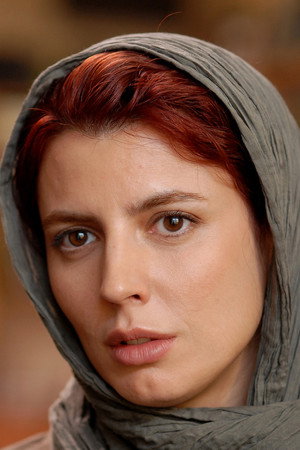
Leila Hatami Movies, TV Shows, and Filmography

Leila Hatami
Acting
Biography
Award-winning actress, Leila Hatami, was born on October 1, 1972 in Tehran, Iran, to legendary Iranian Director, Ali Hatami, and actress mother, Zari Khoshkam (Zahra Hatami). During her childhood, she appeared in several of her father's films including the historical TV series, Hezar dastan (1978), and biopic Kamalolmolk (1984), as well as a role as Leila, the blind Turkish princess in the film The Love-stricken (1992). After completing high school, she moved to Lausanne, Switzerland and started her studies in Electronic Engineering. However, after two years she changed her major to French Literature. She completed her studies in a couple of years and moved back to Iran. After a pause in her film career of a few years which included her studies in Switzerland, she made her professional entry into cinema with Dariush Mehrjui 's film Leila (1997) as the title character. Her performance in the film received rave reviews from critics and audiences worldwide. She also received the Diploma of Honor for Best Actress from the 15th Fajr Film Festival. Later, she married her co-star Ali Mosaffa in 1999. They now have two children: a son named Mani (born February 2007) and a daughter named Asal (born October 2008). To date, Hatami has worked with some of the most celebrated Iranian directors. Moreover, her performance in The Deserted Station (2002) won the Best Actress award from the 26th Montreal World Film Festival. She also appeared in her husband's directorial debut film, Portrait of a Lady Far Away (2005). In 2011, she won the prestigious Silver Berlin Bear award at the 61st Berlin International Film Festival for the Best Actress in a Leading Role in Asghar Farhadi 's internationally acclaimed film, A Separation (2011).
Filmography Movies
Acting
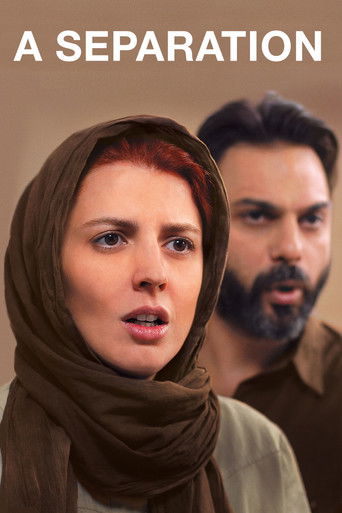
A Separation
A married couple are faced with a difficult decision - to improve the life of their child by moving to another country or to stay in Iran and look after a deteriorating parent who has Alzheimer's disease.
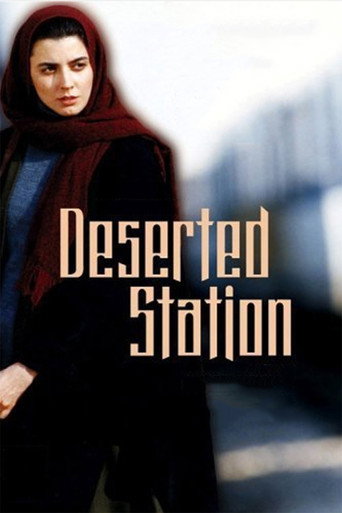
Deserted Station
On a pilgrimage to Mashad from Tehran, a couple's transportation breaks down, far from any major town. The husband, a photographer, seeks help at a nearby village and encounters a teacher who offers to help. Whilst the husband and teacher go off to find a spare part, the wife, who used to be a teacher, takes over the teaching lessons in the village. It is clear that the children live there, in this strange deserted place, without any men, save the teacher and an old signal guard. As the day draws on, the children help to bring a new hope and life into the wife's heart.

Leila
This film tells the story of a semi modern Iranian couple, who are trying to fight the old beliefs and old generation. This is a failing battle because the man is not strong enough.
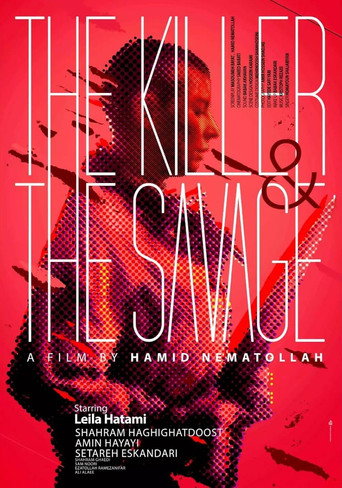
The Killer and the Savage
Ziba is getting ready for her daughter's wedding when she's abducted by a feared gang. She tries to escape but does not have much time, as her daughter is on her way to the location, unaware of what awaits.
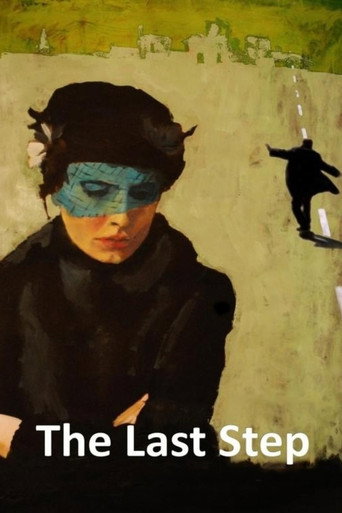
The Last Step
Actress Leila bursts into laughter on camera during the filming of a dramatic scene. Her improper behavior is a reaction to the recent death of her husband Koshrow, who accidentally fell down a flight of stairs. And it is Koshrow who serves as the film’s somewhat unreliable narrator, appearing in the movie even after his death. The couple’s complicated yet loving relationship unfolds as a delicately ironic detective story inside the elusive and, at the same time, obsessively arranged space- time of memory. Nevertheless, it reveals Koshrow’s secret life crisis and delves deep into the past, to an ancient house in the mountains.

Imagine
Night in Tehran. A daydreaming cab driver falls in love with a woman he can’t have, leaving to a series of encounters, filled with mystery and playful moments.
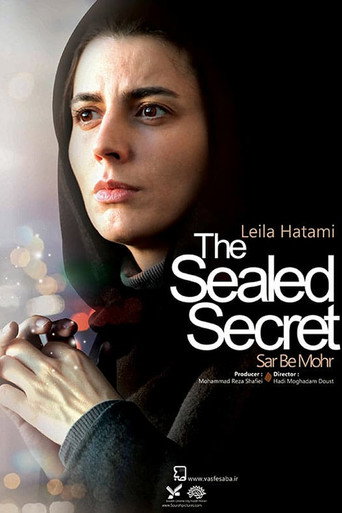
The Sealed Secret
The story is about a lonely and weary girl whose mood is lifted by the help of her friend but the girl is not courageous enough to introduce her friend to others
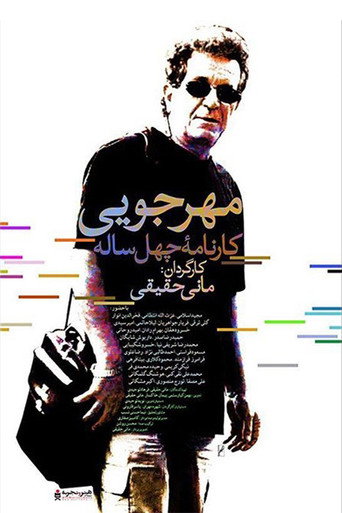
Mehrjui: The Forty-Year Report
Mehrjui: The Forty-Year Report dives into the artistic world of Iranian director Dariush Mehrjui. The film offers critical interpretations of his works from cinema experts, enriched with personal anecdotes from his peers.
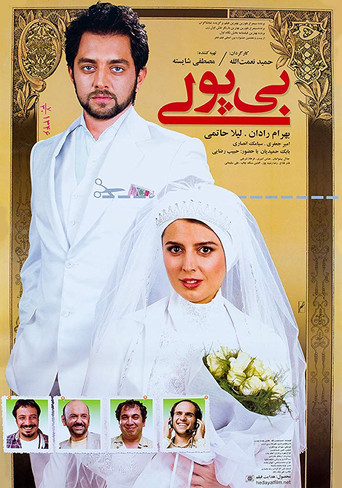
Poverty
A haughty acclaimed newly married fashion designer named Iraj is shown the door by his boss after the boss's son arrives at Iran to take over his father's company. Iraj reluctant to promulgate the loss of his job, starts using his savings, trying to conceal the truth from his naive wife. Having squandered all the money he had on trivial matters, he tells his wife about being axed & that's when the tables turn on him.
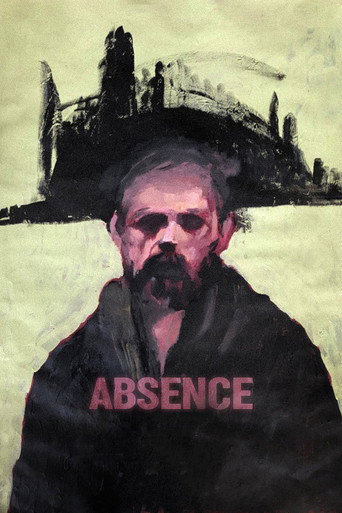
Absence
Rouzbeh arrives in Prague, far from his troubled family life in Tehran, to research his father’s past. Visiting the flat where his father, a communist expatriate, lived 50 years ago, in the times of Czechoslovakia, he is stopped by a policewoman investigating a recent accident. The current resident of the flat, Vladimir, who turns out to be Rouzbeh’s half-brother, has fallen out the window. Discovering hidden corners of Vladimir’s life and getting closer to his soul, Rouzbeh learns a shocking truth about his father, totally contradicting the image of a hero he had about him. This puts him on the path which led to Vladimir's fall from the window.
Production
The Last Step
Actress Leila bursts into laughter on camera during the filming of a dramatic scene. Her improper behavior is a reaction to the recent death of her husband Koshrow, who accidentally fell down a flight of stairs. And it is Koshrow who serves as the film’s somewhat unreliable narrator, appearing in the movie even after his death. The couple’s complicated yet loving relationship unfolds as a delicately ironic detective story inside the elusive and, at the same time, obsessively arranged space- time of memory. Nevertheless, it reveals Koshrow’s secret life crisis and delves deep into the past, to an ancient house in the mountains.
The Last Step
Actress Leila bursts into laughter on camera during the filming of a dramatic scene. Her improper behavior is a reaction to the recent death of her husband Koshrow, who accidentally fell down a flight of stairs. And it is Koshrow who serves as the film’s somewhat unreliable narrator, appearing in the movie even after his death. The couple’s complicated yet loving relationship unfolds as a delicately ironic detective story inside the elusive and, at the same time, obsessively arranged space- time of memory. Nevertheless, it reveals Koshrow’s secret life crisis and delves deep into the past, to an ancient house in the mountains.
Gallery