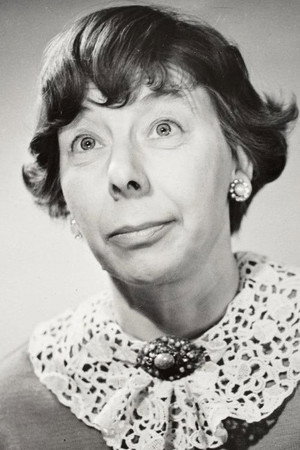
Leida Rammo Movies, TV Shows, and Filmography
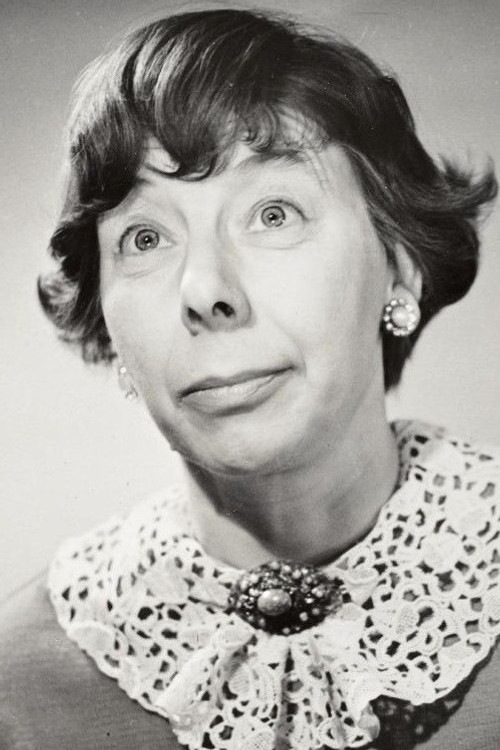
Leida Rammo
Acting
Biography
Leida Rammo (April 18, 1924 – July 23, 2020) was an Estonian stage, radio, television, and film actress and theatre director whose career spanned over seven decades. Leida Rammo had an extensive film career, appearing in over thirty feature films. Her first significant film role was that of Lisete in the 1964 Grigori Kromanov and Jüri Müür-directed Tallinnfilm epic-drama Põrgupõhja uus Vanapagan, based on the 1939 novel of the same name by A. H. Tammsaare. Rammo, however, was initially displeased when she saw herself in film dailies and was overly-critical of her appearance and acting, but the following year accepted a smaller role in the Tallinnfilm drama Mäeküla piimamees, directed by former Estonian State Theatre Institute classmate Leida Laius, and adapted from the 1916 novel of the same name by Eduard Vilde. In 1967, she appeared as Klara Kukk in the popular Veljo Käsper-directed Tallinnfilm comedy Viini postmark and followed with the role of Hermiine in the 1968 Kaljo Kiisk-directed Tallinnfilm historic-thriller Hullumeelsus. Rammo worked steadily in films throughout the 1970s. Some notable performances of the era include the roles of Elve in the 1972 Kaljo Kiisk-directed drama Maaletulek, and as Laine in the 1972 Sulev Nõmmik-directed comedy television film Noor pensionär for Eesti Telefilm. In 1983, she appeared in the Kaljo Kiisk-directed Nipernaadi, an adaptation of August Gailit's 1928 novel Toomas Nipernaadi. In 1985, she appeared in the role of Anna on the Eesti Televisioon (ETV) series Rudolf ja Irma, based on the 1934 novel Elu ja armastus by A. H. Tammsaare. In 1988, she played the role of Marta Tooming in the Leida Laius-directed drama Varastatud kohtumine. Rammo continued to appear in films throughout the 1990s, albeit often in smaller roles. Some notable performances of the era include the 1992 Lembit Ulfsak-directed family-comedy film Lammas all paremas nurgas, the 1995 Andrew Grieve-directed English and Estonian language drama Kirjad idast, and the 1998 Rao Heidmets-directed family film Kallis härra Q, which was an adaptation of story of the same name by children's author Aino Pervik. Rammo's film roles continued into the 2000s and 2010s, with her last film role at age ninety-one in the 2015 Klaus Härö-directed Golden Globe Award-nominated historic-drama Vehkleja, starring Märt Avandi. In her eighties and nineties, Rammo also appeared in a number of small roles or guest roles on Estonian television in the late 2000s and 2010s: the Kanal 2 crime series Kelgukoerad in 2007, the TV3 comedy-crime series Kättemaksukontor in 2010, the TV3 comedy series Ment in 2012, and the TV3 comedy series Padjaklubi in 2014. Leida Rammo was married to journalist Avo Lorents, who died in 1986. The couple have one child; a daughter named Kai. She was a grandmother and great-grandmother. Rammo had been an outspoken atheist since she was a young girl. Rammo's eyesight diminished in her later years and she spent much of her time reading at the library for the blind. Her daughter often kept her company and read to her as well.
Filmography Movies
Acting
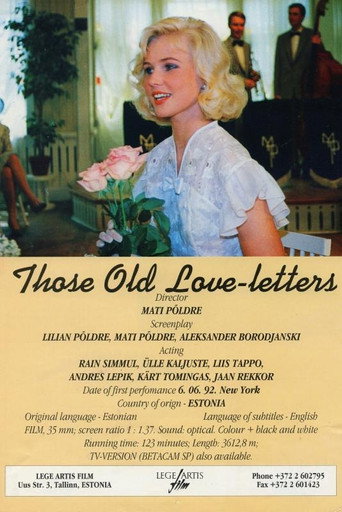
Those Old Love-letters
A film about the life of Raimond Valgre, an Estonian songwriter and singer of the 1930s and 40s, the political changes of his country and his life after the war when his songs were considered not suitable for the Soviet way of life.
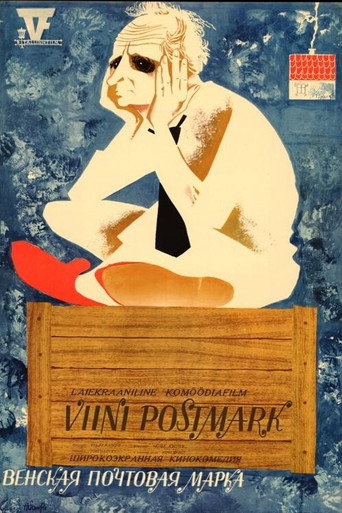
Postmark from Vienna
A comedy about two friends who made a bet over a rare postmark.
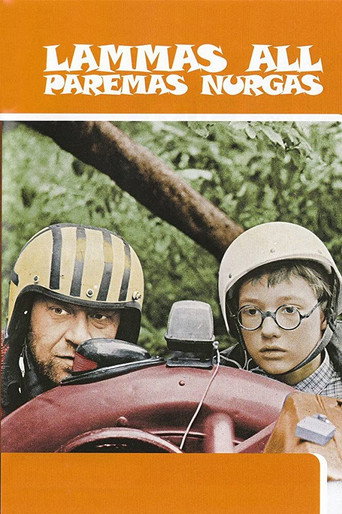
Lamb in the Down Right Corner
A warm movie about two boys, who discover a secret of a painting that was considered to be lost. The adventures begin, when a boss of a bunch of criminals finds out about the painting.
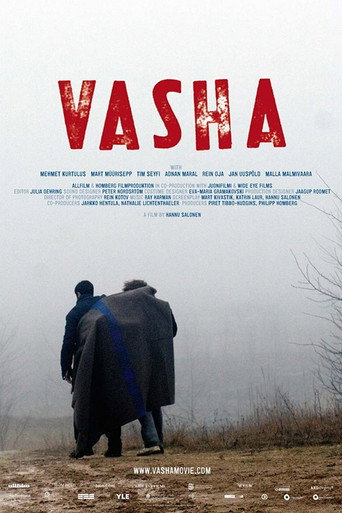
Vasha
Tom, a wide-eyed, innocent sixteen year-old, finds himself an unwitting accomplice in a deadly game of vengeance and death when he befriends Artur - a Chechen man, hell bent on revenging the torture and murder of his family - on the streets of Tallinn.
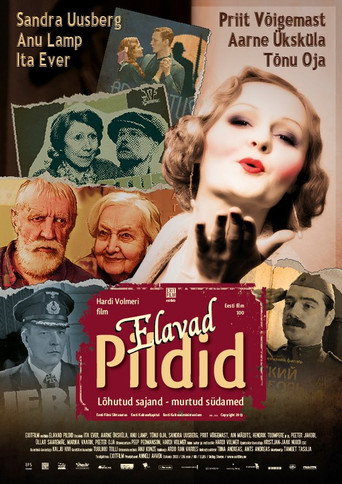
Living Images
The main character, Helmi, is born into the house of Baron von Strandmann in Old-Town Tallinn, in 1908. The only thing that she knows for sure about her past is that her mother was an Estonian servant girl. Everything else is a discovery during a life that runs the course of a century - a life that has quite a lot of surprises in store for Helmi. In this house she finds happiness and suffering, passion and disappointment. She grows up alongside young Erik and waits for her big love to blossom. But one floor down lives projectionist Julius - a man who is far from indifferent when it comes to Helmi. All of the biggest historical events of the century leave their mark on the house. Its hardwood floors have born soldiers' gruff boots and gentleman's shiny oxfords. Its walls have held the fates of people from far and near, foreigners and locals. Helmi's home becomes a German salon, a revolution museum, and a working class commune. And as freedom comes, real estate crooks start sniffing ...
August välja
A short film about an old actress Leida Rammo who tries to complete an unfinished theatre house project.
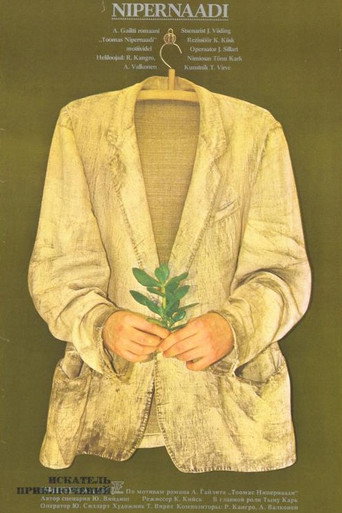
The Adventurer
Toomas Nipernaadi is seen roaming the rural landscape, going from village to village looking for the woman of his dreams. He wears a bedraggled white suit but generously pays for any lodging he needs or in one case, even buys a farm. Nipernaadi has a way with words and enchants those he meets with his wild stories about himself. Women find him appealing and the men are entertained as he moves from one locale to the next.
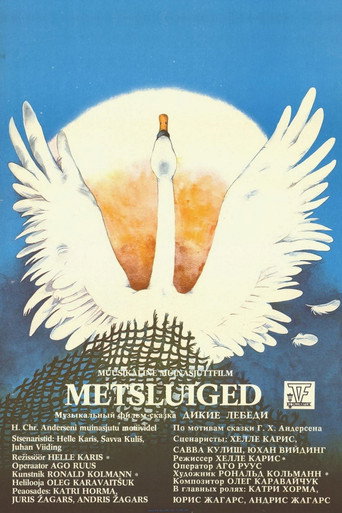
The Wild Swans
Once upon a time, a King had eleven sons and one daughter. When his wife, the Queen, died, the King remarried. The new wife and the children's stepmother looks beautiful on the outside, but actually she's an evil witch. She sends the young princess Eliise to live in the village as an ordinary peasant girl and turns all the princes into wild swans. The princes are stuck being swans all day long and only at night can they regain their true form. When Eliise is 15 years old, she learns about the fate of her brothers and now she must overcome the obstacles put in her way by her stepmother in order to release her brothers from the spell.
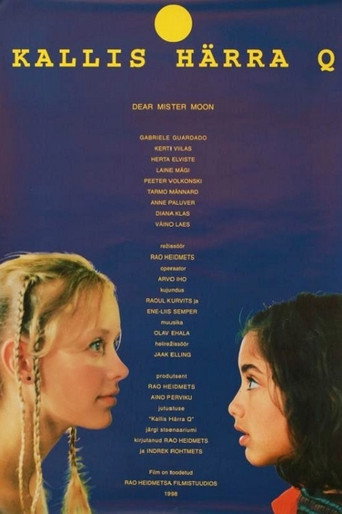
Dear Mister Moon
When two half-sisters, thirteen-year-old white-haired Sigrid and seven-year-old black-blooded Saara meet for the first time, it turns out that their common grandmother has been taken to a nursing home. The girls come up with the idea to steal him from there and hide him in the attic where they can be with her undisturbed. Everything goes well beyond expectations until drunkards, thugs and extortionists intervene and the girls have to act decisively to escape from them.

Foreign Fields
Jacob, a farm boy from Denmark, joins U.N. Brigade's peacekeeping force in Bosnia, where he witnesses refugees trying to escape their war-torn villages. There, Jacob is befriended by Sergeant Holt, a cynical soldier.
Gallery