Acting
No biography available.
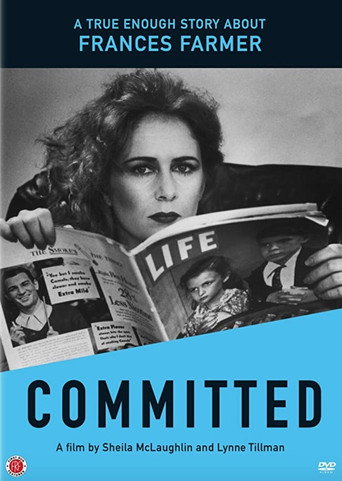
Stylized, black and white biography of Frances Farmer by author Lynne Tillman and Sheila McLauglin.
In this film, outspokenly homosexual filmmaker Rosa von Praunheim has documented his encounters with friends in the New York "underground" arts movement, the better-known of whom are William Burroughs (who says nothing for the camera), Andy Warhol (seen in the distance) and Fernando Arrabal (who is interviewed in Spanish). The emigrants named in the title are notable Germans who left the country before World War II, such as Greta Keller and Grete Mosheim. Reviewers at the time of the film's release considered it to have been a sort of paid vacation for the filmmaker rather than a serious effort. (Clarke Fountain, Rovi)
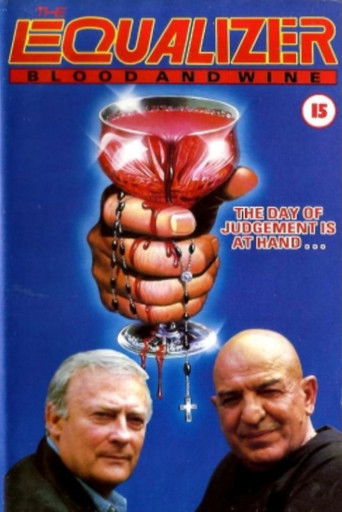
Robert McCall is forced to work with a former terrorist turned monk by the name of Joseph Heiden(Telly Savalas), whom he despises and mistrusts, on a deadly mission in New York.
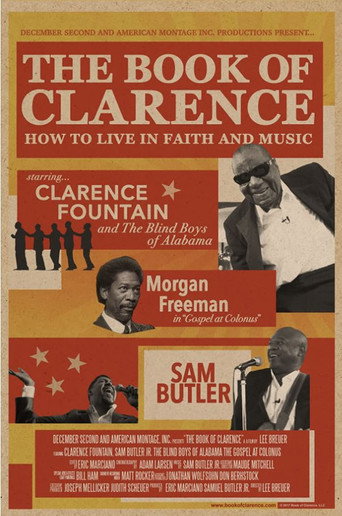
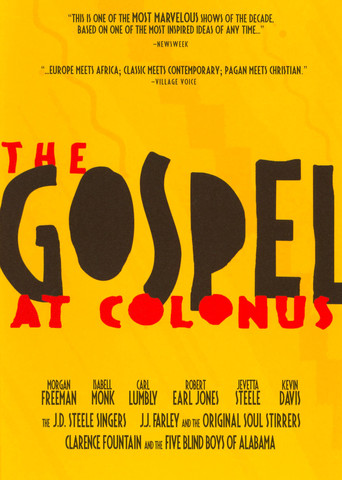
A founding member of The Blind Boys of Alabama, one of the world’s most successful gospel groups, Clarence Fountain has lived a remarkable life, full of music and passion. Now in his eighties, slowed by age and diabetes, Clarence retains his brash charm, and wistfully recalls his decades of glory, from beginnings in the choir of a school for the blind, to the group’s sudden rise to stardom as “Oedipus” in the experimental musical The Gospel at Colonus.
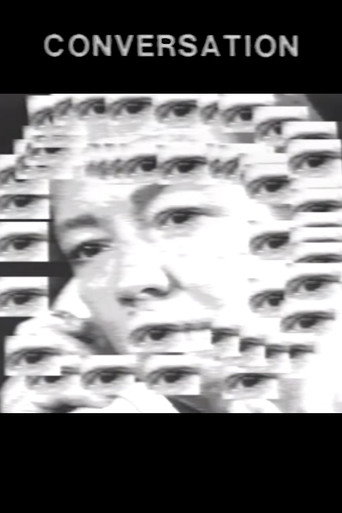
Multiple overlapping images combine with still-frames of an amorous Puerto Rican filmmaker's telephone conversation with a repairman, coincidentally also interested in film. Written by Lee Breuer and performed by Ruth Maleczeck, both of Mabou Mines theatre company. Music by Bob Telson.
An African-American musical version of Sophocles's tragedy, Oedipus at Colonus. In 1985 PBS televised the original Brooklyn Academy of Music production, as presented by the American Music Theater Festival at the Annenberg Center in Philadelphia, as part of the Great Performances series.
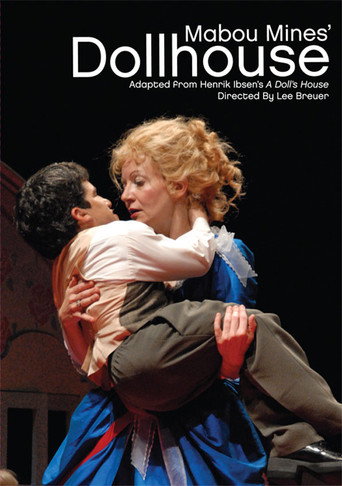
In this film, the director deconstructs the oft-staged Ibsen classic A Dollhouse.
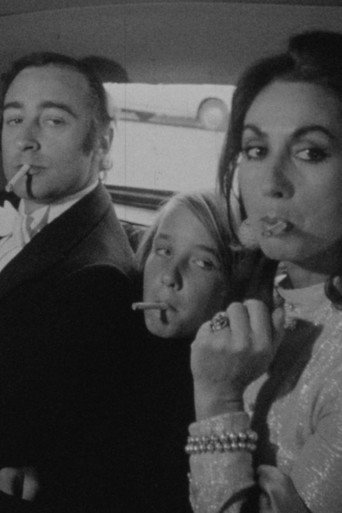
Moi-même is an experimental narrative film shot from 1968–1969 by Lee Breuer and future members of the theater company Mabou Mines. The film captures the journey of a 12-year-old boy attempting to create a film collective amid the backdrop of the May, 1968 protests in Paris. After decades of abandonment, the filmmaker’s son has revitalized the original footage through editing, the addition of a new script, and a complete soundtrack, honoring the original collaborators' spirit while adding fresh perspectives and acknowledging the passage of time.