Lech Wałęsa Movies, TV Shows, and Filmography
Lech Wałęsa
Acting
Biography
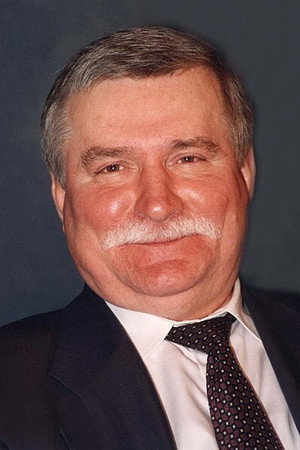
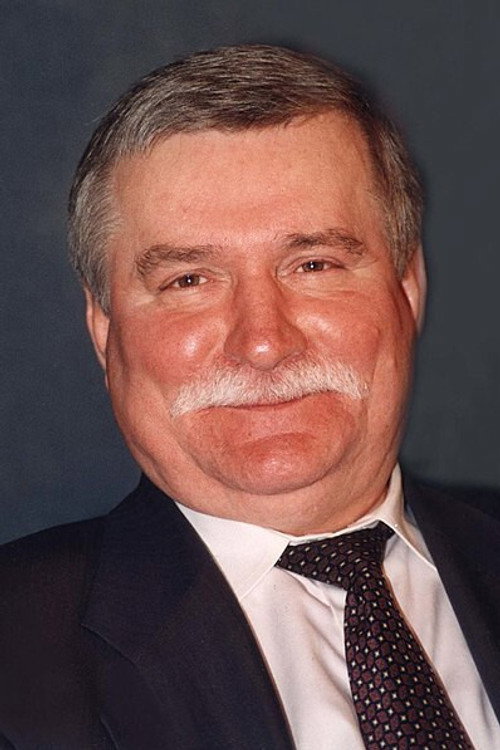
Lech Wałęsa (born 29 September 1943) is a Polish statesman, dissident, and Nobel Peace Prize laureate, who served as the President of Poland between 1990 and 1995. After winning the 1990 election, Wałęsa became the first democratically elected President of Poland since 1926 and the first-ever Polish president elected by popular vote. A shipyard electrician by trade, Wałęsa became the leader of the Solidarity movement, and led a successful pro-democratic effort, which in 1989 ended Communist rule in Poland and ushered in the end of the Cold War. While working at the Lenin Shipyard (now Gdańsk Shipyard), Wałęsa, an electrician, became a trade-union activist, for which he was persecuted by the government, placed under surveillance, fired in 1976, and arrested several times. In August 1980, he was instrumental in political negotiations that led to the ground-breaking Gdańsk Agreement between striking workers and the government. He co-founded the Solidarity trade-union, whose membership rose to over ten million. After martial law in Poland was imposed and Solidarity was outlawed, Wałęsa was again arrested. Released from custody, he continued his activism and was prominent in the establishment of the Round Table Agreement that led to the semi-free 1989 Polish legislative election and a Solidarity-led government. He presided over Poland's transition from Marxist–Leninist state socialism into a free-market capitalist liberal democracy, but his active role in Polish politics diminished after he narrowly lost the 1995 Polish presidential election. In 1995, he established the Lech Wałęsa Institute. Since 1980, Wałęsa has received hundreds of prizes, honors and awards from multiple countries and organizations worldwide. He was named the Time Person of the Year (1981) and one of Time's 100 most important people of the 20th century (1999). He has received over forty honorary degrees, including from Harvard University and Columbia University, as well as dozens of the highest state orders, including the Presidential Medal of Freedom, the Knight Grand Cross of the Order of the Bath, and the French Grand Cross of Legion of Honour. In 1989, Wałęsa was the first foreign non-head of state to address the Joint Meeting of the U.S. Congress. The Gdańsk Lech Wałęsa Airport has borne his name since 2004. Wałęsa was born in Popowo, Reichsgau Danzig-West Prussia, Germany (German-occupied Poland). His father, Bolesław Wałęsa (1908–1945), was a carpenter who was rounded up and interned in a forced labour camp at Młyniec (outpost of KL Stutthof) by the German occupying forces before Lech was born. Bolesław returned home after the war but died two months later from exhaustion and illness. Lech's mother, Feliksa Wałęsa (née Kamieńska; 1916–1975), has been credited with shaping her son's beliefs and tenacity. ... Source: Article "Lech Wałęsa" from Wikipedia in English, licensed under CC-BY-SA 3.0.
Filmography Movies
Acting
In the Grip of Gazprom
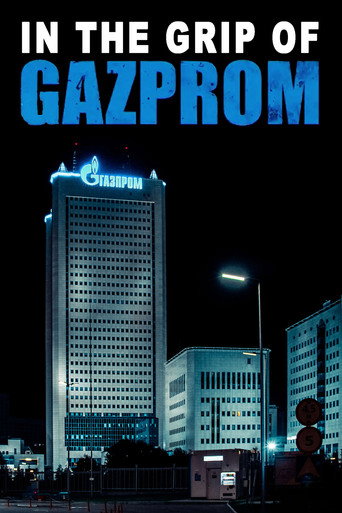
The war in the Ukraine has changed the way many European countries view Russian politics. Suddenly it became clear how dependent countries had become on Russian gas imports for decades and what Vladimir Putin was up to. However, no country needs more gas than Germany. It was only after Russia's invasion of the Ukraine that the German government realized that Russia had long used gas as a weapon to impose its will on states. The instrument created for this purpose is the natural gas production company GAZPROM. So how did Germany become so dependent on Russian gas? The documentary shows how, over several decades and several changes of government, a broad alliance of politicians and business representatives did everything possible to secure Germany's energy supply with cheap Russian gas, while the Kremlin's foreign policy became increasingly aggressive and the warnings of experts went unheeded.
The Birth of Solidarity
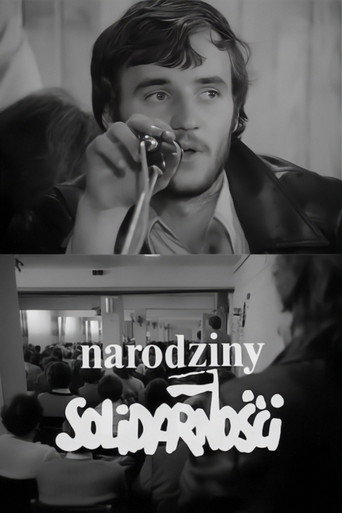
A film showing the social mood and tensions in the period between the end of the strikes in August 1980 and the registration of the Solidarity Trade Union in November 1980.
Człowiek ze studni
The documentary presents the presidential election campaign in Poland in 1990.
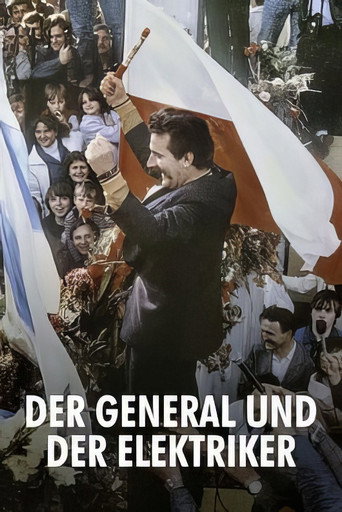
Der General und der Elektriker: Machtkampf in Polen
The film traces the conflict between General Wojciech Jaruzelski and the electrician Lech Wałęsa. Close companions and contemporary witnesses have their say in the documentary, providing an insight into this important chapter of contemporary European history.
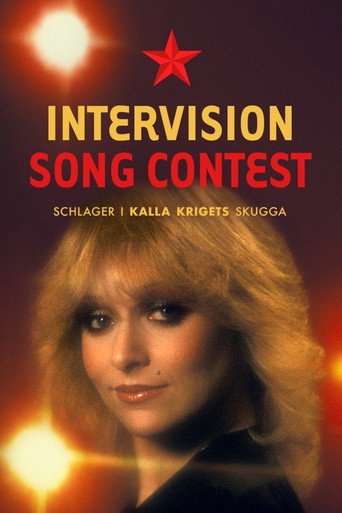
Intervision Song Contest - schlager i kalla krigets skugga
Documentary about the Intervision Song Contest in general and the 1980 edition in particular. Focuses on Finland's participation and the shipyard strikes in Gdansk at the time.
Gra o Nobla
Exactly 25 years ago, on December 10, 1983, Danuta Wałęsa received the Nobel Peace Prize awarded to her husband in Oslo. The tragic figure of Magdalena Wójcik is inscribed in the history of Wałęsa's Nobel Prize.
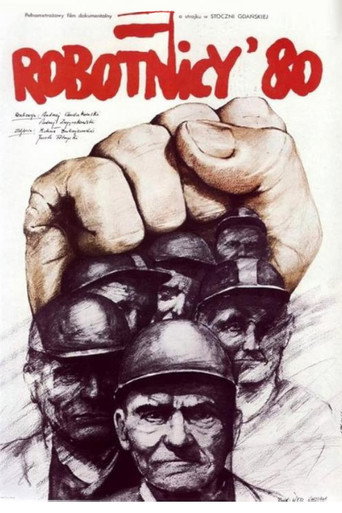
Workers '80
Documentary about the beginning of Solidarnosc.
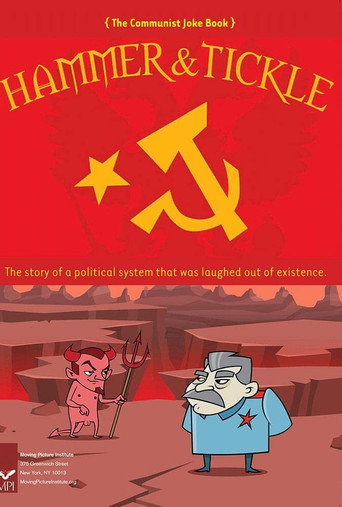
Hammer & Tickle
Hammer & Tickle: The Communist Joke Book is a 2006 propaganda documentary film about "jokes" under the Soviet Union.
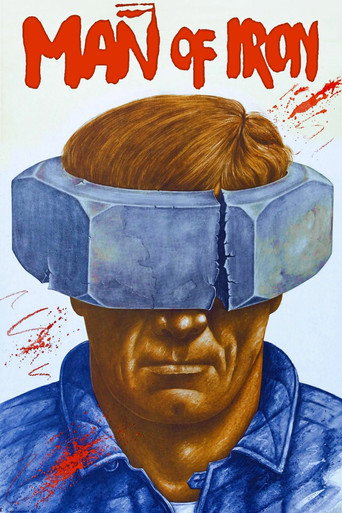
Man of Iron
In Warsaw in 1980, the Communist Party sends disgruntled radio reporter Winkel to Gdańsk to dig up dirt on the shipyard strikers - particularly on Maciek Tomczyk, an independent labour union leader whose father was killed in the December 1970 protests. Posing as sympathetic, Winkel interviews the people surrounding Tomczyk, including his detained wife, Agnieszka.
Bajland
A black political comedy, which, as a backdrop, uses the election race and the accompanying chaos in the media. The film's protagonist is a presidential candidate in the 2000 elections in Poland who suddenly withdraws from the election campaign despite his best ratings. During the election battle, he portrays himself as a professional liar and decides to give away everything he has previously won. What he doesn't expect, however, is how difficult a problem giving can be.
Gallery