Directing
No biography available.
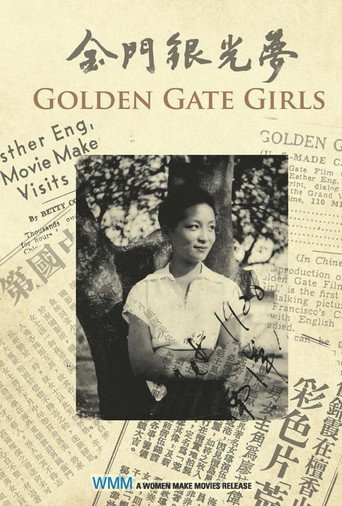
The film traces the life and times of Esther Eng, a San Francisco native known as Hong Kong’s first “directress.” She directed 10 Cantonese talkies.
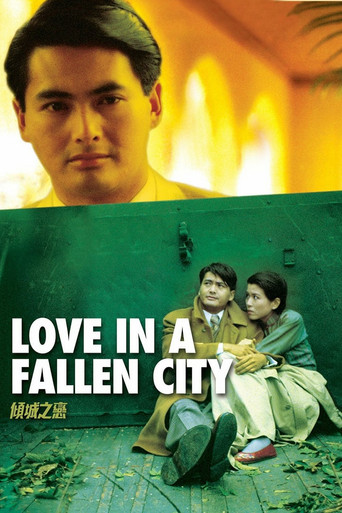
Taking place in 1941, Love in a Fallen City centers on Pai, a young woman who has been ostracized by her family for divorcing her rich husband. A local match-maker, Mrs. Hsu, takes pity on Pai and decides to bring her to Hong Kong, under the guise of employing her as the Hsu's nanny, but in reality to introduce her to Fan. Pai and Fan seem to hit it off, but Fan's refusal to marry Pai soon sours things. However, as the Japanese begin to invade Hong Kong, the two begin to realize their true feelings for each other.
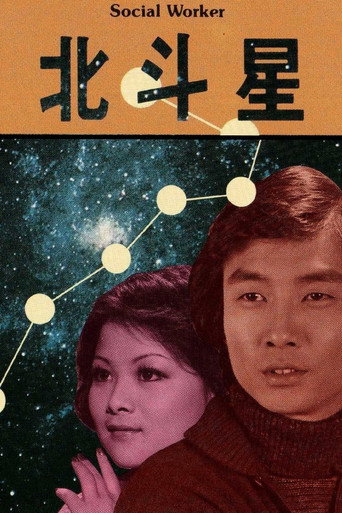
The second episode of the Hong Kong reclaimed “Social Worker” series (1976)
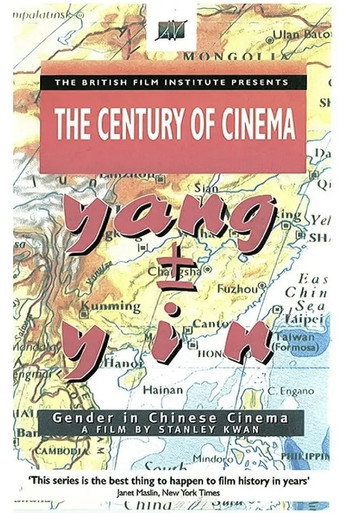
An exploration of Chinese cinema and its relationships with gender and sexuality, which the film argues has been more frankly and provocatively explored than in any other national cinema. Utilizing both film excerpts and interviews with many leading directors and academics, the film examines topics such as male bonding in kung fu movies, depictions of same-sex bonding and physical intimacy, the emphasis on women's grievances in melodramas, and the career of Yam Kim-Fai, a Hong Kong actress who spent her life portraying men on and off the screen.
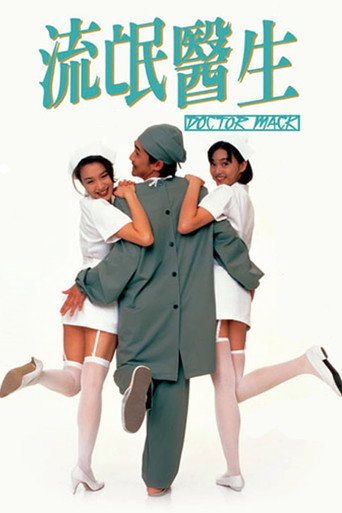
Since dropping out from the medical school, Lau Mack has been living a humble but contented life, running a small clinic in a shabby area, treating local inhabitants and poor prostitutes working there. One night, he escorts an injured gun robber to the government hospital, where he unexpectedly meets his old friend from college time, Dr. Jaw, now a reputed surgeon with an aspiration for senior management. To Jaw's bitter surprise, he finds himself outshone by Lau's medical talent and kindness to patients. Jaw is however determined to speed up his career ascent at the expense of Lau. His plots work perfectly, until an accident delivers his life to the mercy of Lau.
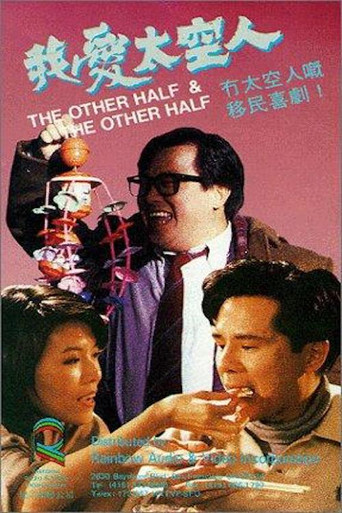
Clara Law's debut feature deals with her common theme of emigration as two people, man and woman, from separate couples, have to room together while their spouses are in America to finalize the Canadian citizenship process.
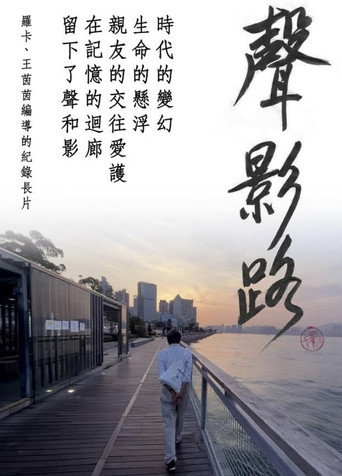
Having devoted much of his career to programming and film history research, Law Kar, a.k.a. Uncle Kar, places himself before the camera for the first time. This nostalgic trip down memory lane, as he recounts his personal and cinematic experiences, from film criticism, experimental filmmaking to auditioning for Federico Fellini, cumulates in a brief history of Hong Kong cinema itself. Reflecting on the past 80 years, Law Kar's affectionate documentary sheds light on local movies and Chinese cinema, brooding over the socio-political transformation of our perplexed city, as the restless cinephile ponders the role cinema and art play in times of crisis.
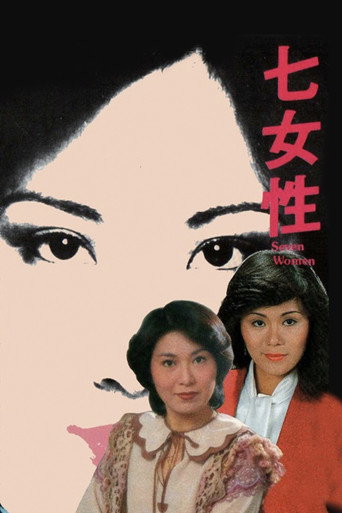
The fifth episode of Patrick Tam’s anthology series “Seven Women” (1976), which was the only episode not directed by Patrick Tam but by renowned critic Law Kar
The story focus on Caridad and Georgina, who had learned the art of Cantonese Opera in Havana as a young age and performed as divas for over a decade before their lives were changed by Fidel Castro's revolution.
Four episodes combined. Dawn: the first cop goes to interrogate the parents of a babygirl who got burnt by an iron. These, eventually admit to be the one responsible but they state it was an accident. Going back on a bus, he reads a newspaper article reporting another case of violence against minors. Noon: the moustached cop cop collects the report of a mother regarding the presence of perverts in her building. A thirteen-year-old girl is spotted with a man in equivocal acts: when she is interrogated she shows no signs of anxiety. Dusk: in a nursing home a guest kills another old man with an axe. He is interrogated by the older cop who, once back home, talks with his wife and daughter while watching sadly TV. Night: the fourth cop is in a disco when he gets the call that a collegue’s wife was the victim of a hit and run. The following morning he goes back to the office.
One episode of Ann Hui and Yim Ho’s “CID” series based on real murder incidents in Hong Kong
One episode of Ann Hui and Yim Ho “CID” Series (1976), which won one of the very first awards for Hong Kong in an international television competition.
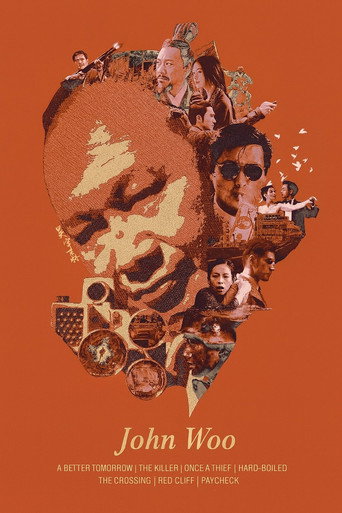
Crossings: John Woo starts with Woo's emotional homecoming to Hong Kong in 2004 to promote his latest blockbuster Paycheck. It leads you through his teen years where he made avant garde films, his apprenticeship with Shaw Brothers' martial arts director Chang Che, his coming of age as a director directing slapstick Hong Kong comedies through the 70s and 80s. It charts the genesis of the groundbreaking A Better Tomorrow starring Chow Yun Fat, a film that creates a new genre in Hong Kong cinema and launches Woo's career into the international arena.
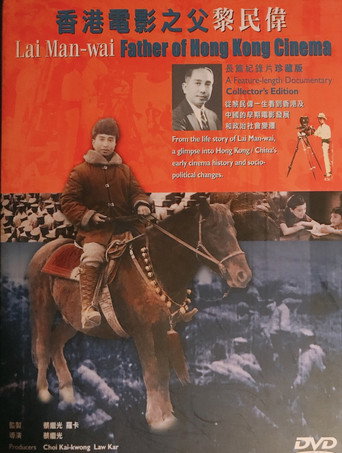
In the life of Mr. Lai Man-wai, he had seen the most turbulent times of recent Chinese history. From the fall of the Qing Dynasty to the founding of the Republic, from the Sino-Japanese War to the founding of the People’s Republic. With a patriotic spirit, he joined the revolution and used the theatre to promote the revolutionary course. For a ‘stronger China’, and ‘education for all’, he chose film as his life long goal and career. Lai was more than the father of Hong Kong cinema was; he was also one of the pioneers of the Chinese cinema. He made Hong Kong’s first short fiction film ‘Zhuangzi Tests His Wife’. He opened the first Chinese owned cinema, the New World Cinema, in Hong Kong…. In the several decades, Lai had devoted his life and fortune in writing this glorious inaugural chapter in early Chinese film history. The technical enhancement, the introduction of foreign techniques and equipment were all part of his contribution to the Chinese cinema.