Lars von Trier Movies, TV Shows, and Filmography

Lars von Trier
Directing
Biography
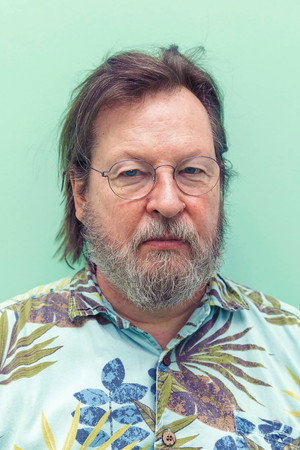
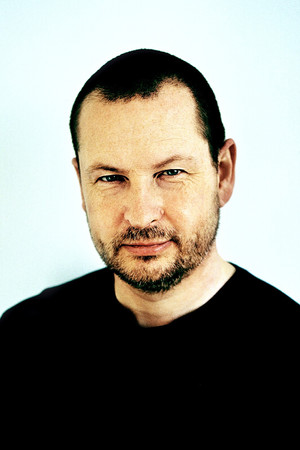
Lars von Trier (born Lars Trier; 30 April 1956) is a Danish film director and screenwriter. He is closely associated with the Dogme 95 collective, although his own films have taken a variety of different approaches. He is known for his female-centric parables and his exploration of controversial subject matter. Von Trier began making his own films at the age of 11 after receiving a Super-8 camera as a gift, and his first publicly released film was an experimental short called The Orchid Gardener, in 1977. His first feature film came seven years later, The Element of Crime, in 1984. As of 2010, he has directed a further 10 feature films, 5 short films and 4 television productions. He has been married twice and is currently married to Bente Frøge. Von Trier suffers periodically from depression, as well as various fears and phobias, including an intense fear of flying. As he himself once put it, "Basically, I'm afraid of everything in life, except filmmaking".
Filmography Movies
Acting
The Boss of It All
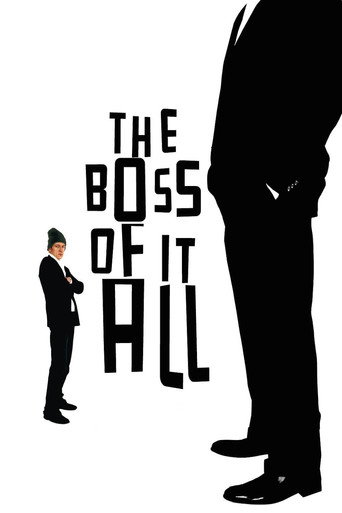
The owner of an Information Technology firm wants to sell his business for profit. The trouble is that when he started his firm he invented a nonexistent company president to hide behind when unpopular steps needed to be taken. When potential purchasers insist on negotiating with the "Boss" face to face the owner has to hire a failed actor to play the part.
Europa
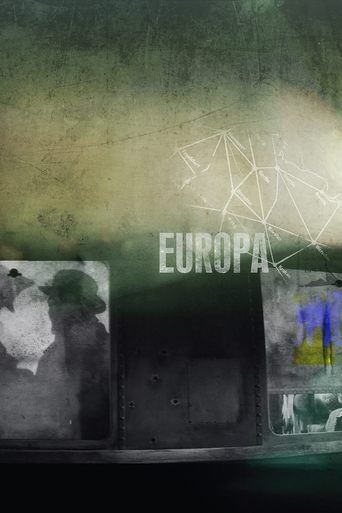
Just after World War II, an American takes a railway job in Germany, but finds his position politically sensitive with various people trying to use him.
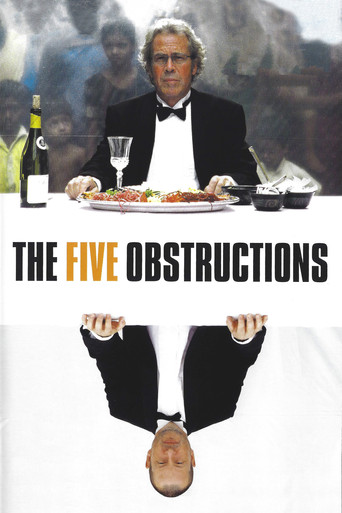
The Five Obstructions
In 1967, experimental filmmaker Jorgen Leth created a striking short film, The Perfect Human, starring a man and women sitting in a box while a narrator poses questions about their relationship and humanity. Years later, Danish director Lars von Trier made a deal with Leth to remake his film five times, each under a different set of circumstances and with von Trier's strictly prescribed rules. As Leth completes each challenge, von Trier creates increasingly further elaborate stipulations.
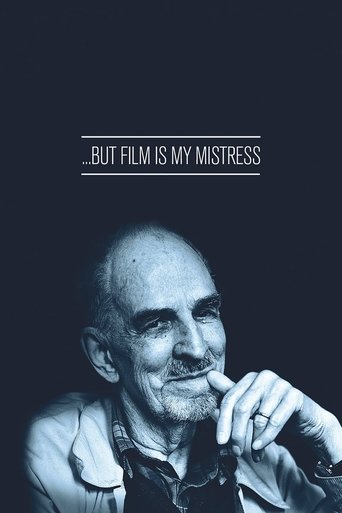
… But Film Is My Mistress
Guided by Liv Ullmann and with commentaries from a number of prominent filmmakers for whom Bergman is and remains an important influence - such as Woody Allen, Olivier Assayas, Bernardo Bertolucci, Arnaud Desplechin, John Sayles, Martin Scorsese and Lars von Trier, the film provides a vivid portrait of the artist who in each new project found a challenge for himself and for the people he worked with - both actors and colleagues behind the camera.
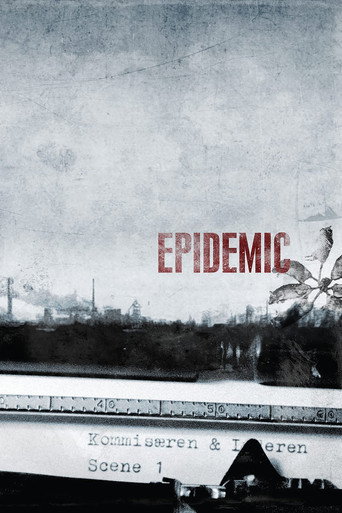
Epidemic
A director and screenwriter pen a script and, in the process, blur the line between fiction and reality.

Lars von Trier: The Burden From Donald Duck
Lars von Trier was interviewed by Christian Lund at his home outside Copenhagen in November 2020.
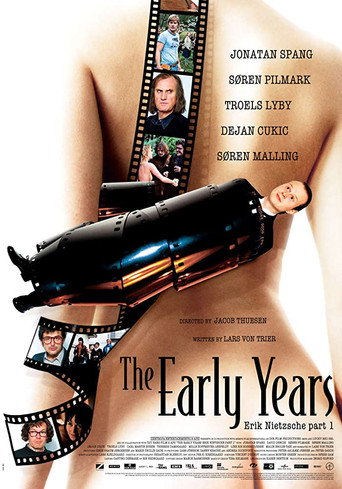
The Early Years: Erik Nietzsche Part 1
Erik Nietzsche is an intelligent but in many ways inexperienced shy young man who is convinced that he wants to be a film director. In the late 1970s, Erik is accepted by the Danish National Film School where he enters a world of angry and unhelpful tutors, weird fellow students and unwritten rules. In this both exhilarating and angst-provoking period for him, Erik feels increasingly like a foreigner in the film industry. Frequently, he is merely an observer of the absurdities that surround him. He encounters trade union disputes, falls in love and experiences self-assured empowered women who refuse to make a commitment. The film is a drama full of comedy - a sharp portrait of a conceited but entertaining world of film which we suspect our dogged young director will eventually conquer with his vision.
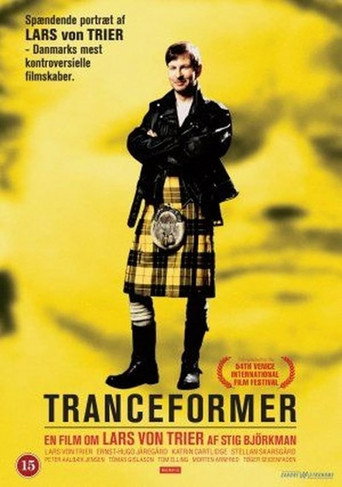
Tranceformer: A Portrait of Lars von Trier
A portrait of Denmark's most acclaimed and controversial director, Lars von Trier. A meeting with von Trier on a private level as well as with his film universe. Filmmaker Stig Björkman follow von Trier during a period of more than two years, meet him at work, at home and at leisure. Written by Fredrik Klasson
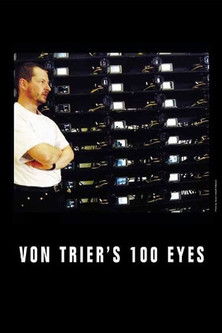
Von Trier's 100 Eyes
Although at first sight this might look like a simple ‘making of DANCER IN THE DARK’, the later developments in the film reveal the whole drama of Lars von Trier’s inner life during the shooting process. All his doubts and insecurities in collaborating with the crew and actors - especially actresses - are exposed. The biggest drama started when Björk walked off the set. Nobody knew whether she would be back or not. Admitting that he feels threatened by women, who can ‘make him feel embarrassed’, the director gives this documentary the nature of a personal diary. When he discusses the importance, purpose and beauty of the use of a hundred cameras in a certain sequence or the meaning of the Dogma 95 rules, the audience is witnessing the process of the artist’s search. Is the pain that the director went through during the shooting really visible in the final result, as Lars von Trier claims in this film? (from: http://www.idfa.nl/)

Colors
The most suffocating is the awareness that nothing is happening. All the veins are drying without the blood running through them. I came to Barão Geraldo because things happen here. Here people love as much as dolls hang themselves and chicken are slaughtered to death. Would I still hang dolls and burn memories in the next 18 years? It astonishes me how less and less I do not care for things that are not my extension. Being my own destruction is the only way. Intimacy is a farewell. All I see is a lot water and all the colors are not enough. All forms of comunication are not enough for a lot of water.
Production
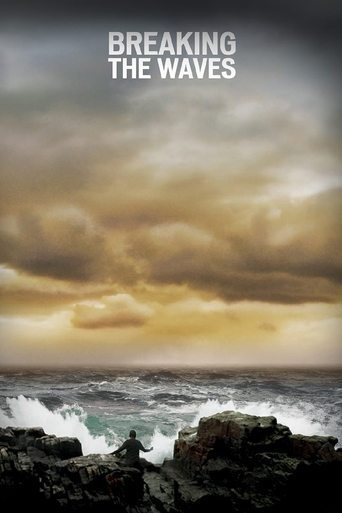
Breaking the Waves
In a small, conservative Scottish village, an oilman is paralyzed in an accident. His wife, who prayed for his return, feels guilty; even more, when he urges her to have sex with another.
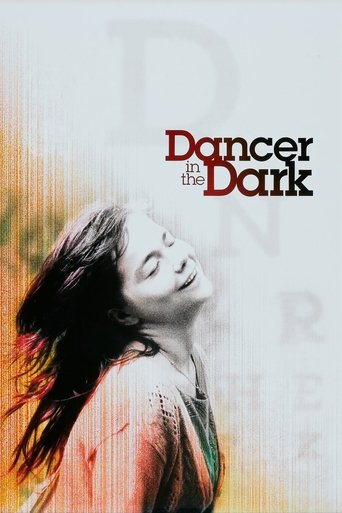
Dancer in the Dark
Selma, a Czech immigrant on the verge of blindness, struggles to make ends meet for herself and her son, who has inherited the same genetic disorder and will suffer the same fate without an expensive operation. When life gets too difficult, Selma learns to cope through her love of musicals, dreaming up little numbers to the rhythmic beats of her surroundings.
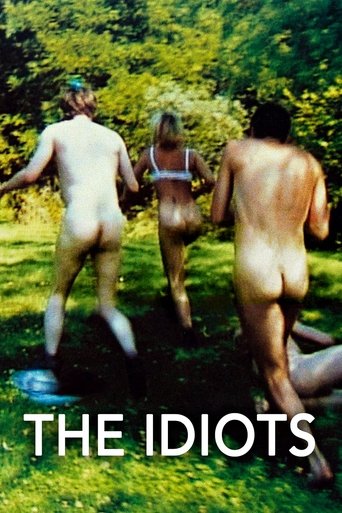
The Idiots
A group of people gather at a Copenhagen suburban home to break all the limitations and to bring out the 'inner idiot' in themselves.
The Idiots
A group of people gather at a Copenhagen suburban home to break all the limitations and to bring out the 'inner idiot' in themselves.
The Idiots
A group of people gather at a Copenhagen suburban home to break all the limitations and to bring out the 'inner idiot' in themselves.
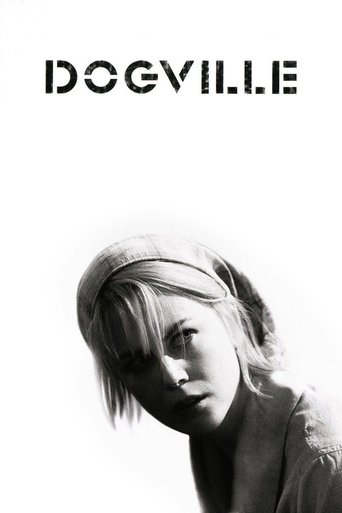
Dogville
A woman on the run from the mob is reluctantly accepted in a small Colorado community in exchange for labor, but when a search visits the town, she learns that their support has a price.
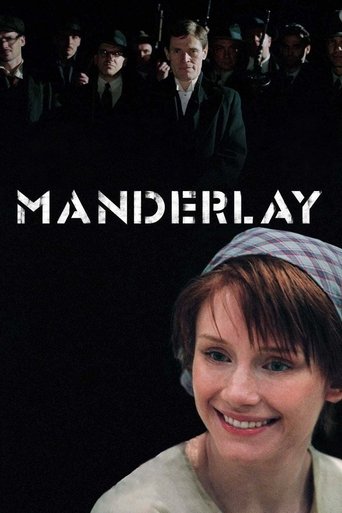
Manderlay
In 1933, a young woman and her father discover an Alabama plantation whose inhabitants live as if slavery had never been abolished. Feeling a sense of duty to those behind the heavy gates, she stays to liberate the people and see them through their first harvest. With four of her father's colleagues and a lawyer, she faces the daunting task of resurrecting the place known as Manderlay.
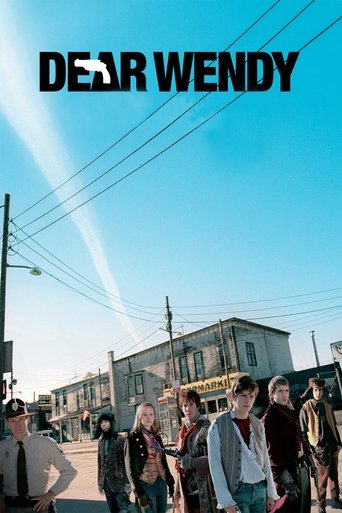
Dear Wendy
In a blue-collar American town, a group of teens bands together to form the Dandies, a gang of gunslingers led by Dick Dandelion. Following a code of strict pacifism at odds with the fact that they all carry guns, the group eventually lets in Sebastian, the grandson of Dick's childhood nanny, Clarabelle, who fears the other gangs in the area. Dick and company try to protect Clarabelle, but events transpire that push the gang past posturing.
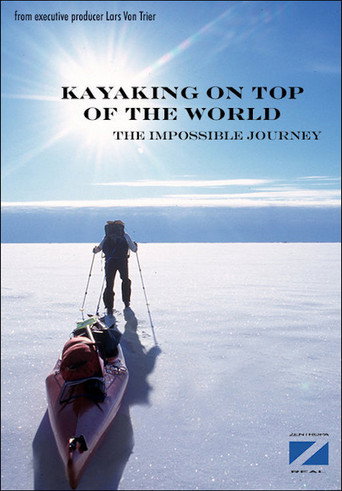
Kayaking On The Top Of The World
In 1999 two Danish adventurers, John Andersen and Frederik Jacobi, set out to travel north around Greenland, on foot, on skies, and in kayak. As they move forward they visit areas where former explorers fought life-and-death-battles with the Polar, and tell their stories in details.
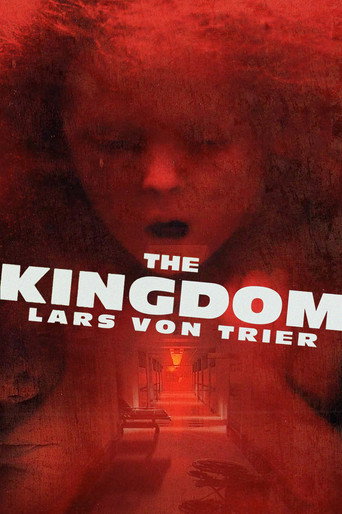
The Kingdom
At The Kingdom, Denmark's most technologically advanced hospital, a number of strange and otherworldly events begin occurring, much to the dismay of its doctors and patients. A ghostly ambulance appears and disappears, the voice of a little girl calls to a patient in an elevator shaft, and a doctor's fetus begins growing at an alarming rate.
Gallery