Camera
No biography available.
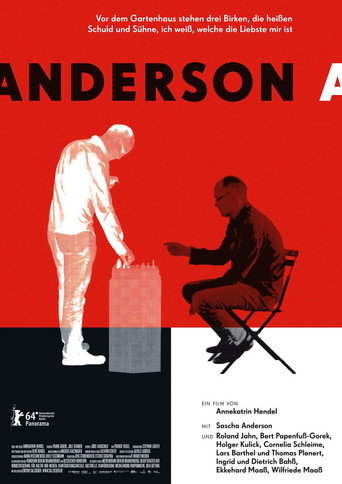
Documentary about poet Sascha Anderson.
Founded in 1954 as the “Deutsche Hochschule für Filmkunst”, today's “Hochschule für Film und Fernsehen” is celebrating its 50th anniversary. The documentary traces the history of the university. Graduates of the school have their say and excerpts of student films from five decades are presented.
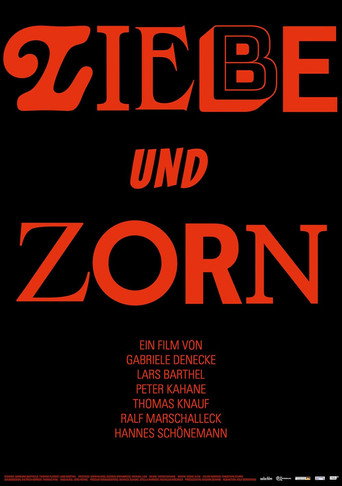
Six directors, one film: in episodes, they recall their experiences at the end of the GDR and the fate of a family under National Socialism. They talk about making films despite censorship, about the search for opportunities. They tell of losses, of leaving, of staying and of love in exile. A film about the longing for home and the endurance of friendships.
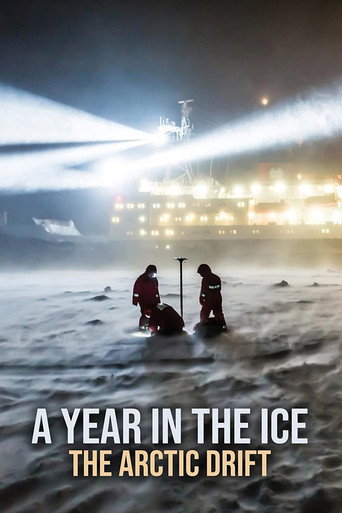
An intrepid team of 300 scientists spend a year in harsh conditions deep in the Arctic, on a pioneering expedition to secure vital answers to help us deal with climate change.
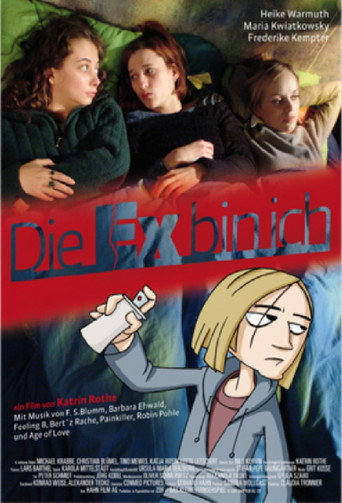
Berlin, an old building around the time of reunification. Squatter Bert is dead, suicide. His three ex-girlfriends Brit, Sandra and Anne search together for the reason. In the process, they become painfully aware of their different life plans.
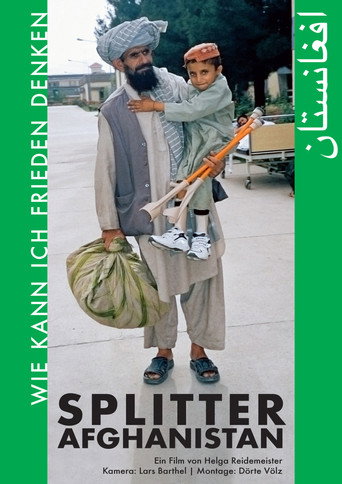
In the Kabul Museum, archaeologists piece together fragments of millennia-old works of art. This endeavor seems surreal amid the destruction. The cinematically fascinating landscape is mined. How can one survive without legs? The Kabul Orthopedic Center, the focus of the film, is a place of hopes and dreams. "One leg is not enough," says its dedicated director, "you have to create prospects for life."
A man receives a mysterious assignment from his deceased wife. He shall scatter their ashes to the wind.
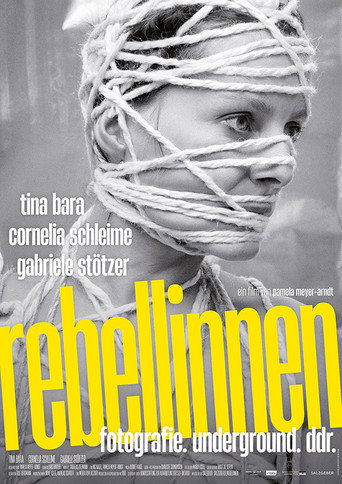
The rough, unkempt facades in Prenzlauer Berg – as if the skin had been peeled off the houses, says photographer Tina Bara. Having grown up in a prefabricated building, the young woman was drawn to East Berlin. She quickly got in conflict with the state, just like the artists Cornelia Schleime and Gabriele Stötzer, whom director Pamela Meyer-Arndt questions in her film about memories, traumas and creative genesis.
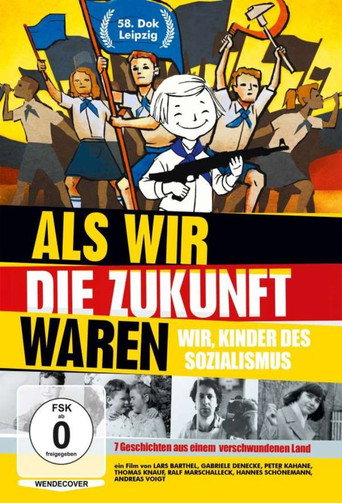
Seven directors remember their childhood and youth; to the 50s and 60s in the GDR. They appear to be curious, vulnerable children and teenagers who also want to be cool (even though the word doesn't exist for them yet). They live in well-adjusted or resistant families. Some only in half because their father left for the West. Depending on their family background, they want or should help build the new, better Germany.
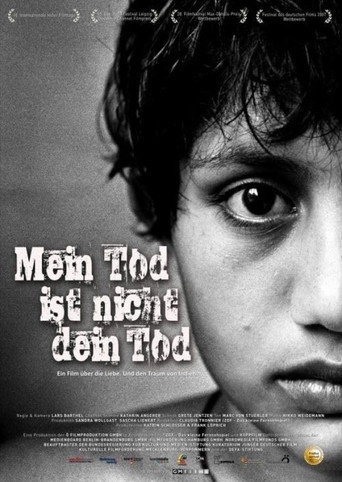
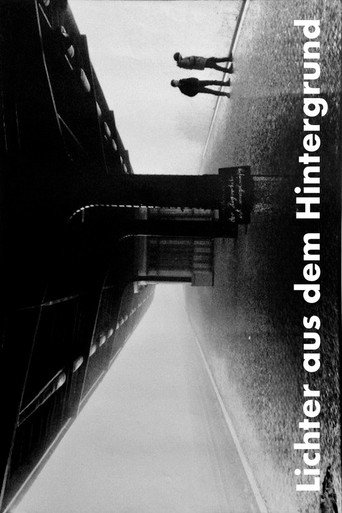
Berlin, the German capital again, a few years after the fall of the Wall. The city in upheaval is also changing the lives of its inhabitants. A young photographer experiences these changes as a rupture, he looks into an unclear, unsettling future and increasingly feels like a stranger in his old city. He and his friends from the generation of the children of the Wall try to find a new identity without losing the old one. Young artists who fail the profitability test of the market economy. In his search, Robert Paris ends up far away, in India. Back in Berlin, he started developing photos again - the first in years...
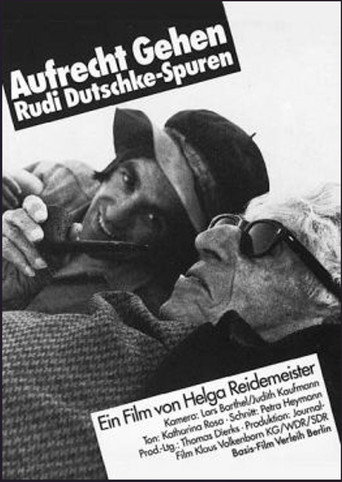
Portrait of the spokesman of the student movement and extra-parliamentary opposition Rudi Dutschke, who died on December 24, 1979 from the late effects of an assassination attempt. The film is not limited to the mere biography of the extra-parliamentary politician, but also depicts the political environment as well as the late effects of the student movement. In retrospect, it condenses into a picture of a highly politicized society that had not yet begun its retreat into the private sphere.