Editing
No biography available.
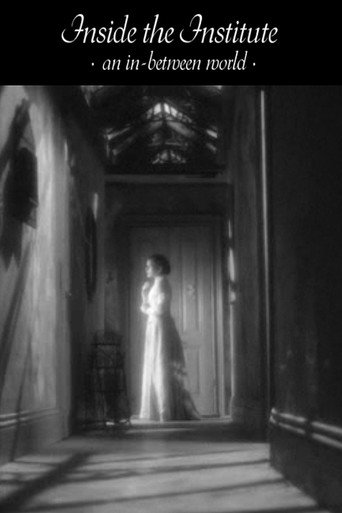
Docimentary about the work of the Qway Brothers for their film Institute Benjamenta, or This Dream People Call Human Life
In this avant-garde classic, protagonist Louise deals with a change in her lifestyle in which she must learn to negotiate domestic life and motherhood.
Robinson is commissioned to investigate the unspecified "problem of England." The narrator describes his seven excursions, with the unseen Robinson, around the country. They mainly concentrate on ports, power stations, prisons, and manufacturing plants, but they also bring in various literary connections, as well as a few conventional landscapes.
A psycho-geographic journey through London and its history, as undertaken by an unseen narrator and his companion, Robinson, at the time of the 1992 general election.
Documentary with fictional elements exploring issues around housing in the United Kingdom.
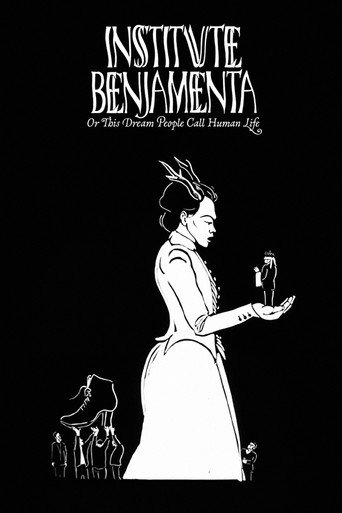
Jakob arrives at the Institute Benjamenta (run by brother and sister Johannes and Lisa Benjamenta) to learn to become a servant. With seven other men, he studies under Lisa: absurd lessons of movement, drawing circles, and servility. He asks for a better room. No other students arrive and none leave for employment. Johannes is unhappy, imperious, and detached from the school's operation. Lisa is beautiful, at first tightly controlled, then on the verge of breakdown. There's a whiff of incest. Jakob is drawn to Lisa, and perhaps she to him. As winter sets in, she becomes catatonic. Things get worse; Johannes notes that all this has happened since Jakob came. Is there any cause and effect?
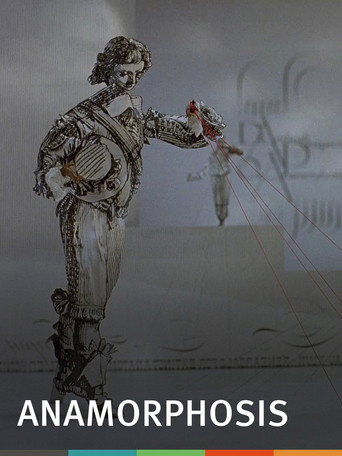
The Quays' interest in esoteric illusions finds its perfect realization in this fascinating animated lecture on the art of anamorphosis. This artistic technique, often used in the 16th- and 17th centuries, utilizes a method of visual distortion with which paintings, when viewed from different angles, mischievously revealed hidden symbols.
An aged art connoisseur (Beaumont) and his young female neighbour (Coles), who has a job posing naked in a club, meet and exist in fantasy and reality. Although this raises certain much-discussed questions about the nature of representation, and about the construction of narrative and daydreams in films, 'Phoelix' tends to treat these as just pretty and pertinent issues, opting instead for a mannered concentration on detail.
A porcelain doll’s explorations of a dreamer’s imagination.
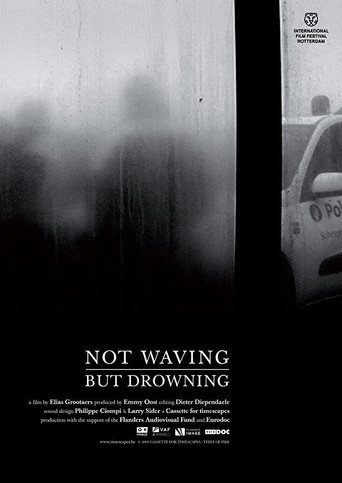
Not Waving, But Drowning materialises the experience of Indian refugees during their arrest and detention by the harbour police in Zeebruges, Belgium. Within the tense, haunted context of the harbour and the seaside, and together with them, we slowly lose all sense of time and place. Without investigating their past or their future, the human traffic organisations or the Belgian legislation, the film transgresses into the timelessness in which our society imprisons people without papers. This subtle analysis of human exclusion and the reduction of human beings to the physical body makes us wonder if a human can be illegal at all?