Larry Gottheim Movies, TV Shows, and Filmography
Larry Gottheim
Directing
Biography
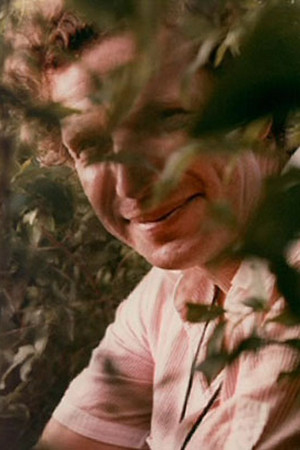
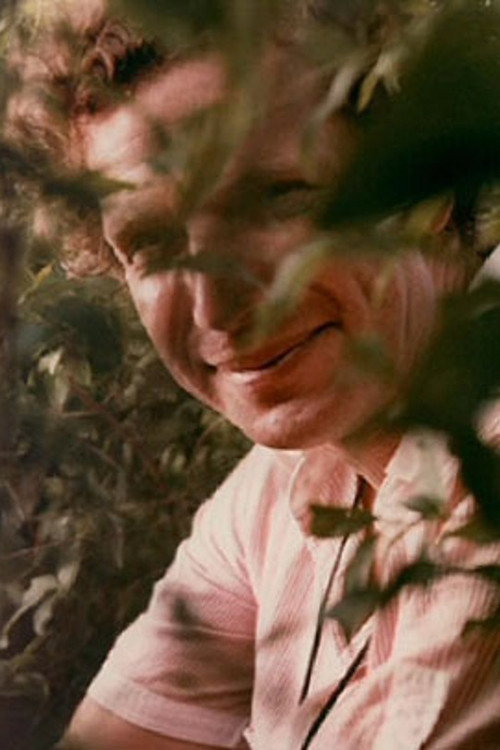
Born in 1936, Larry Gottheim taught himself 16mm filmmaking in the 1960s and became one of America's leading avant-garde filmmakers. From his late-1960s series of sublime 'single-shot' films to the dense sound/image constructs of the mid-1970s and after, his cinema is the cinema of presence, of observation, and of deep conscious engagement. While addressing genres of landscape, diary and assemblage filmmaking, Gottheim's work properly stands alone in its intensive investigations of the paradoxes between direct, sensual experience in collision with complex structures of repetition, anticipation and memory. Gottheim developed the Department of Cinema in Binghamton, N.Y. and taught there for more than three decades. This extremely influential department attracted the most talented artists, academics, and filmmakers of the day including Ken Jacobs, Hollis Frampton, Peter Kubelka, and Ernie Gehr among many others. In the 1990's Gottheim has also served for a brief time as director of the Filmmaker's Co-op in New York. Gottheim's films are in the collections of museums and archives throughout the world, and a program of his restored early films premiered at the 2005 New York Film Festival.
Filmography Movies
Acting
Home Movies 1971-81
Home movies shot on Super 8mm by W+B Hein over 10 years.
Birth of a Nation
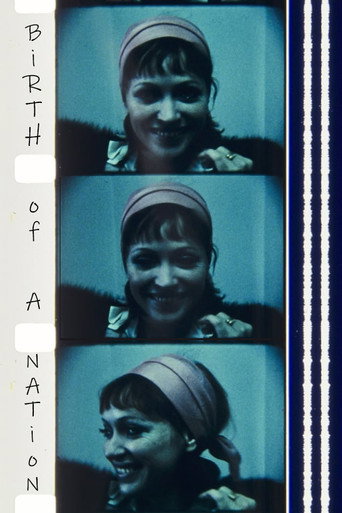
Jonas Mekas assembles 160 portraits, appearances, and fleeting sketches of underground and independent filmmakers captured between 1955 and 1996. Fast-paced and archival in spirit, the film celebrates the avant-garde as its own “nation of cinema,” a vital community existing outside the dominance of commercial film.
Four Shadows
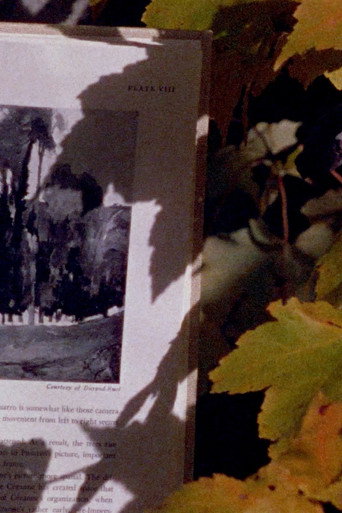
Four four-minute image sections and four four-minute sound sections are linked in all combinations of the sound sections with each of the image sections. This established affinities between each of the image sections to the others, and the sound sections to each other. The image sections are: surveyors measuring the land near my house as seen through an old window, a family of Siamang Gibbon apes in the Washington zoo, an industrial site, and a page turned from a book on Cézanne’s composition showing a diagram of his painting Mardi Gras, filmed against bright leaves. The sound sections are: a dramatic scene from Debussy’s opera “Pelléas et Mélisande”, a passage from William Wordworth’s autobiographical poem “The Prelude,” sounds from rowing on a lake at night, and the sounds of the apes vocalizing.
Video Album 5: The Thursday People
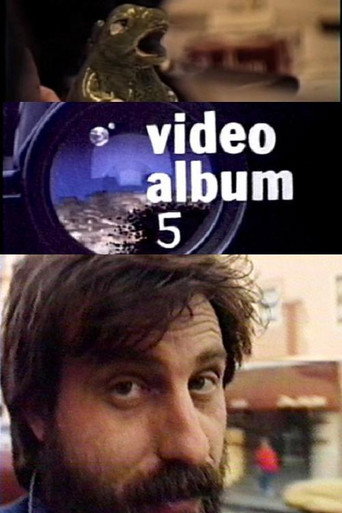
The comings and goings of the late underground filmmaker, Curt McDowell—and the people and activities that came and went along with him—are the themes that run through this existential diary of daily life. McDowell was dying from AIDS-related illnesses during the production of the diary. “An elegy for McDowell, the videowork captures Kuchar’s mournful remembrances of his long-lasting friendship with the young filmmaker. But it also has the inquisitive charm, perverse humor, and quirky candor that places Kuchar’s visual expressions in a gritty niche all their own.”
Production
ALA
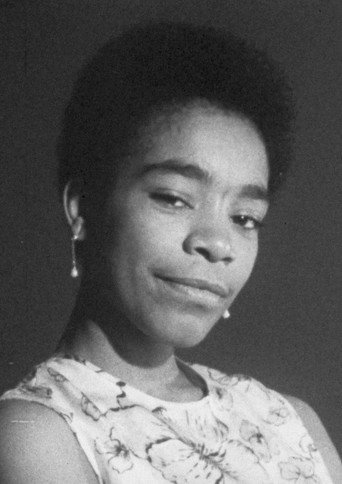
Documents Harpur College's Afro-Latin Alliance.
Fog Line
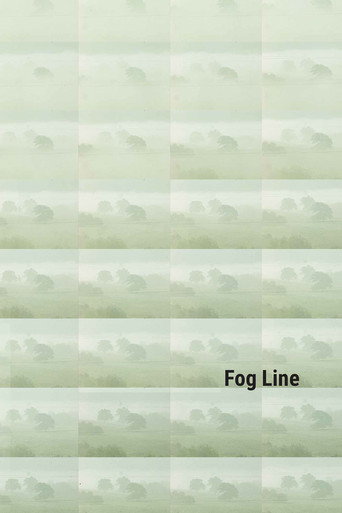
Larry Gottheim’s Fog Line consists of a fixed shot of clearing fog in a valley in upstate New York where he lived and worked in the early seventies.
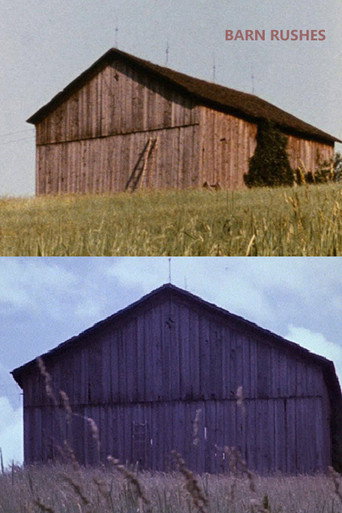
Barn Rushes
"…elegant yet rustic in its simplicity of execution; tugged gently toward different sides of the set by hints of color and motion interactions, positive and negative spaces, etc., and the unyielding delivery on one of the great apotheoses of poetic cinema at fade-out time." – Tony Conrad
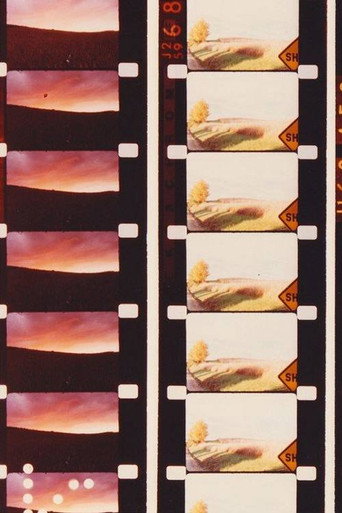
Horizons
Working with Virgil’s four-part poem “Georgics” and Antonio Vivaldi’s concertos “The Four Seasons” as models, Gottheim arranged his painterly compositions into four distinct sections, each edited according to its own exacting pattern. The seasonal flux thus informs both the form and content of the image, with the basic elements of trees, sky, hills and the occasional crisscrossing clothesline filmed in every imaginable light.
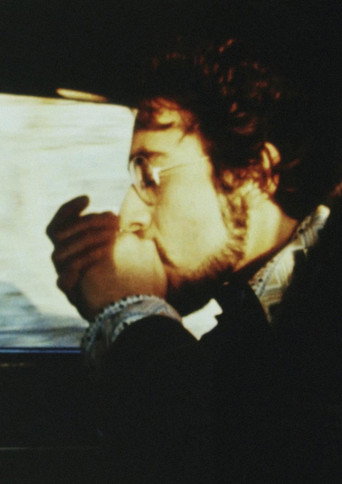
Harmonica
Arguably Larry Gottheim’s most exuberant experiment in the single-shot, single-roll format (and his first with a soundtrack), HARMONICA trains the camera on a friend improvising a tune in the backseat of a moving car. Held out the window, the harmonica becomes a musical conduit for the wind, while Gottheim's film transforms before our eyes into a playful meditation on wrangling the natural elements into art. - Max Goldberg
Four Shadows
Four four-minute image sections and four four-minute sound sections are linked in all combinations of the sound sections with each of the image sections. This established affinities between each of the image sections to the others, and the sound sections to each other. The image sections are: surveyors measuring the land near my house as seen through an old window, a family of Siamang Gibbon apes in the Washington zoo, an industrial site, and a page turned from a book on Cézanne’s composition showing a diagram of his painting Mardi Gras, filmed against bright leaves. The sound sections are: a dramatic scene from Debussy’s opera “Pelléas et Mélisande”, a passage from William Wordworth’s autobiographical poem “The Prelude,” sounds from rowing on a lake at night, and the sounds of the apes vocalizing.
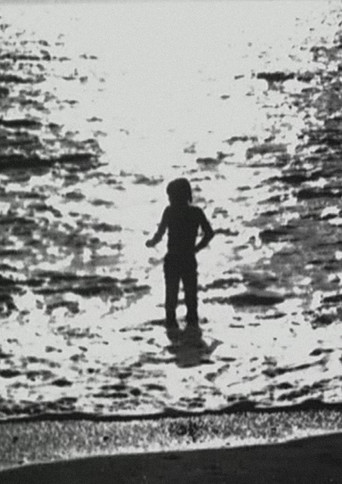
Mouches Volantes
The second in Larry Gottheim's ELECTIVE AFFINITIES cycle, MOUCHES VOLANTES is, in the filmmaker's own words, "a celebration of elusive relationships" between sound and image, color and black-and-white, the moon and the waves, the aural testimony of Blind Willie Johnson's widow Angelina and the camera's illumination of a world simultaneously of and beyond the everyday. These lyrical fragments sweep in and out as with the tides; a time-based symmetry slowly emerges as the film reveals itself to be a perfect circle.
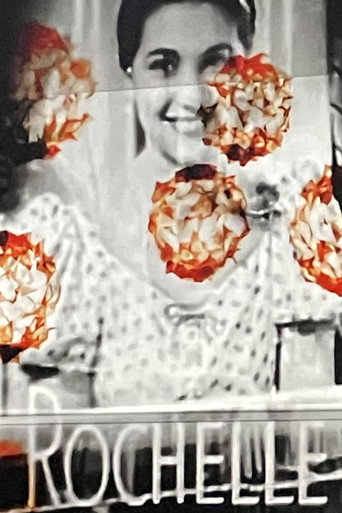
Entanglement
An exhilarating cinematic train ride at the speed of sound through a quantum landscape. Music. The dance of death. Do you remember?
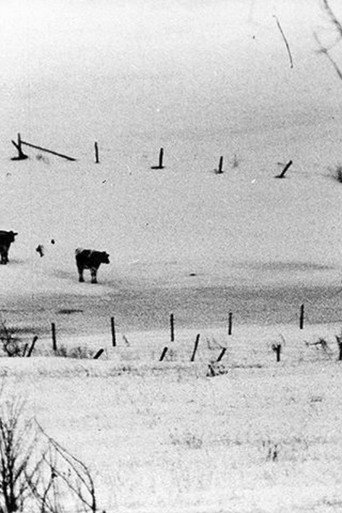
Doorway
A serene winterscape glides, as in a dream, across the screen, from darkness to darkness...Vision shivers, hesitates ever so slightly to savor, to hold still, but inevitably everything passes. Far becomes near, near far. Shadows seed their counterparts in the depths of the viewer's heart.
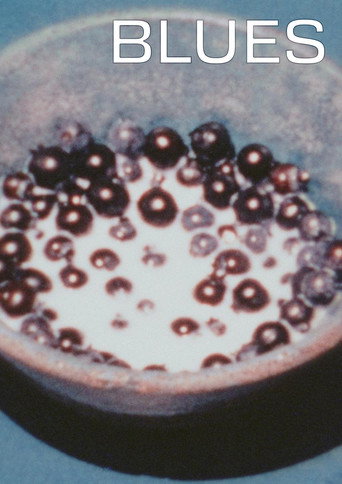
Blues
A bowl of blueberries in milk, changing light radiant on the berries and on the glazed bowl, the ever more radiant orb of milk transforming into glowing light itself, with a brief shadow coda answering the complex play of shadows. The regular pulses of light framing the looser rhythmus of the spoon, itself a frame. A charging of each of the frame's edges with its own particular energy. Within and without, whites and blues, lines and curves. The pulses of vision, the simple natural processes, lift the spirit.
Gallery