Directing
No biography available.
In 1990 and 1991, three Aboriginal children were murdered in a small country town in Australia. Over 20 years later, the parents of those children are still fighting for justice.
Our Generation is a 2010 Australian documentary film about the struggle of Aboriginal Australians in the Northern Territory to retain their land, culture and freedom.
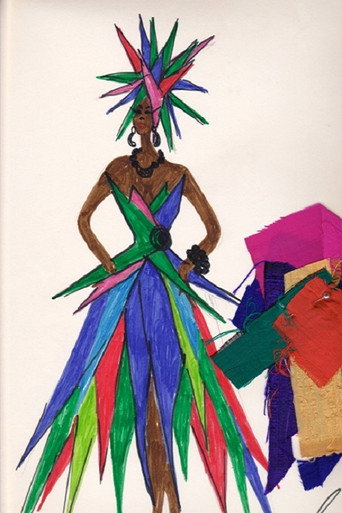
Jindalee Lady tells the story of a young Aboriginal woman sets out to build a career in the fashion industry. It is an urban love triangle involving an Aboriginal fashion designer, her white music executive husband and an Aboriginal cinematographer. It is considered the first feature film ever directed by an indigenous person in Australia.
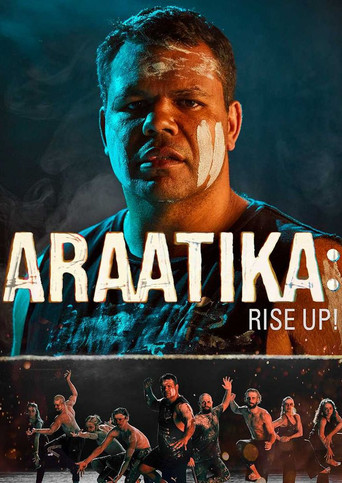
For Indigenous Australian rugby league players, a pre-game ‘unity dance’ is an important step towards celebrating their cultures and combating entrenched racism.
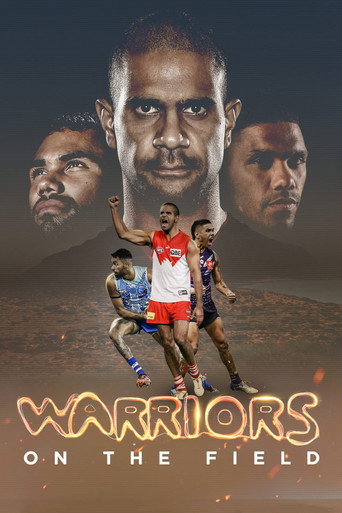
Through the lens of sport, AFL legend Michael O'Loughlin shines a light on the history and experience of the Indigenous Australian people. Current AFL players, Michael Walters and Tarryn Thomas, join O'Loughlin to unpack racism, discrimination and the unbreakable bond they each share with their indigenous communities.
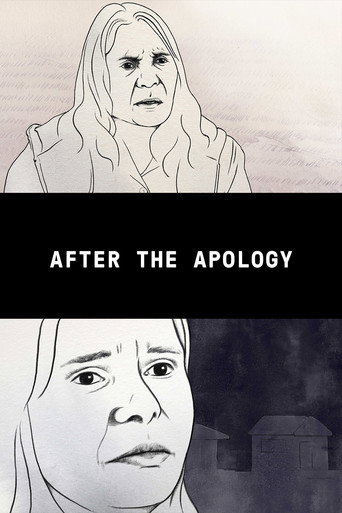
Suellyn thought the Department of Community Services (DOCS) would only remove children in extreme cases, until her own grandchildren were taken in the middle of the night. Hazel decided to take on the DOCS system after her fourth grandchild was taken into state care. Jen Swan expected to continue to care for her grandchildren but DOCS deemed her unsuitable, a shock not just to her but to her sister, Deb, who was, at the time, a DOCS worker. The rate of Indigenous child removal has actually increased since Prime Minister Kevin Rudd delivered the apology to the ‘stolen generations’ in 2008. These four grandmothers find each other and start a national movement to place extended families as a key solution to the rising number of Aboriginal children in out-of-home care. They are not only taking on the system; they are changing it…
In 1925, Fred Maynard established the Australian Aboriginal Progressive Association (A.A.P.A.), the first large scale Aboriginal rights movement. The film is a biography of Fred Maynard, a significant and important historical figure, and an overview of the rise and undermining of the A.A.P.A. It also looks at Maynard’s intellectual influences and the connections the A.A.P.A. had to other significant black rights movements to show the deep philosophies that underlined this early and significant Aboriginal protest movement.
The life and provocative work and writings of First Nations artist, Richard Bell. The film reveals the "two Richards" – "Richie" the provocateur and enfant terrible of the art world who challenges its whiteness, and the Richard who spent his childhood living in a tin shed, learnt his politics on the streets of Redfern and is known in his own community as an "activist".
Barbara was caring for her grandchildren when her granddaughter Tiara was taken from school by welfare workers. Barbara fought for the next seven months to have her returned and finally won but the consequences of the removal on the family will never go away.
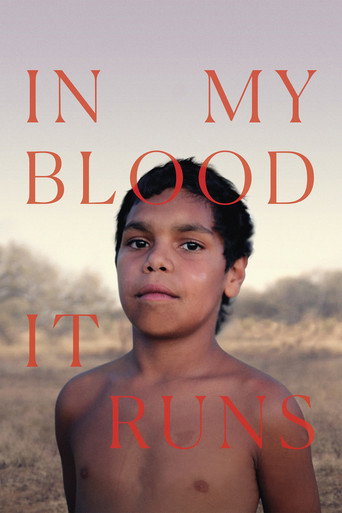
The story of Dujuan, a 10-year-old Aboriginal boy living in Alice Springs, Australia, who is struggling to balance his traditional Arrernte/Garrwa upbringing with a state education.