Lajos Gárday Movies, TV Shows, and Filmography
Lajos Gárday
Acting
Biography
No biography available.
Filmography Movies
Acting
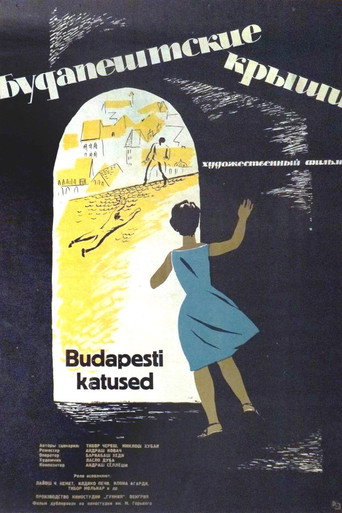
On the Roofs of Budapest
Gráci has been recently released from a reformatory school. His old gang would like to involve him in a new action, but he hesitates. His past record is bad enough already, and he would not like to get into new trouble.
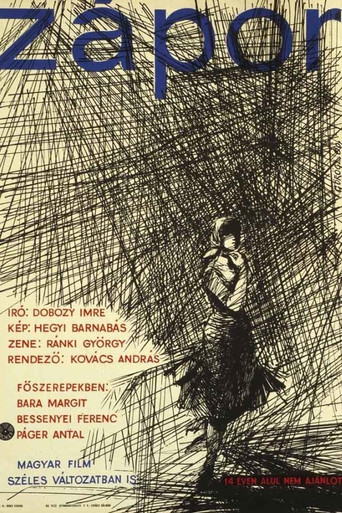
Summer Rain
Miskei, the popular and dynamic president of a co-op falls in love with Mari, the attractive wife of the elderly Pató. The deeply feeling woman is fed up with the service beside the haughty land holder, she is longing for tenderness and a child. The passion of Miskei is growing when he sees how crudely, humiliating Pató treats her. During a powerful summer shower, when chance brings them together in an abandoned press house, he storms on Mari confessing love. The woman refuses him bitterly. Miskei calms down and he keeps on expressing his love and high esteem with the woman by steadfast and tiny compliments. Early one morning Mari leaves her husband and sets off to the city to learn and to begin a new life.
The School-Mistress
The protagonist of the story is Flora, a teacher who wants to teach in the village, in accordance with her vocation and her oath. Her beauty and purity bring her into conflict with the local authorities and with the landowning family of the countryside. Aware of her truth, she defies them, but can only count on the sympathy of the old priest. István Nagy Jr., the idle, dissolute landowner's son, falls in love with Flóra, and love changes him: he takes her side, exposing the lecherous hypocrites.
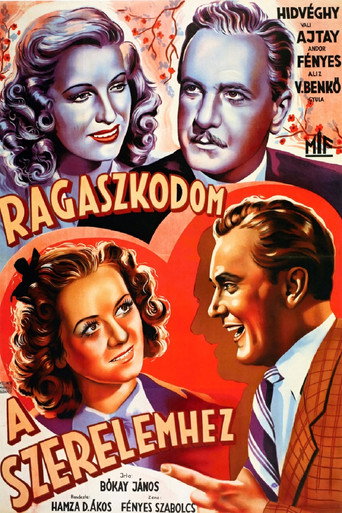
Ragaszkodom a szerelemhez
Dr. Kálmán Bajor, a lawyer in his fifties, falls in love with his friend's secretary, twenty-year-old Turkish Vali. Valit seduces his young suitor and asks her to marry him. The lawyer's daughter Mimi does not look kindly on the marriage, but she cannot dissuade her father. So she solves the matter with a woman's logic. Apparently in love with her father's friend, she gets engaged to Uncle Árpád, also over fifty. But the game turns serious, and Uncle Árpád really falls in love with the pretty girl.
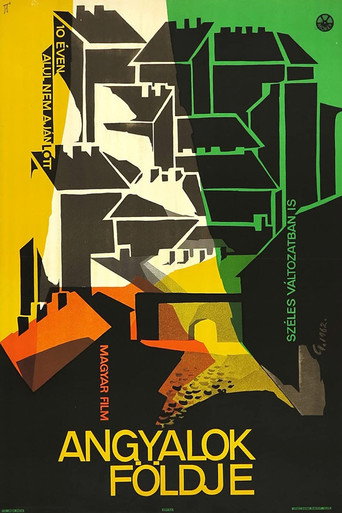
The Land of Angels
The film is a ballad about the dwellers of a block-of-flats in Angyalföld.
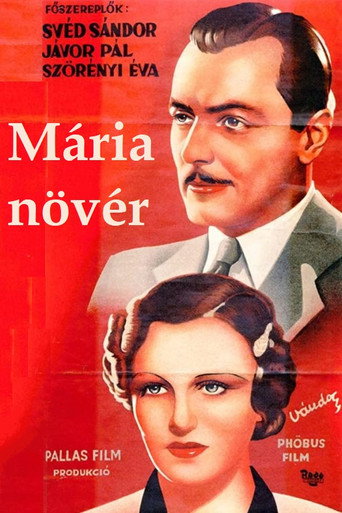
Sister Maria
The title character in Maria Nover (Sister Maria) is played by Eva Szorenyi. A convent-bred lass on the verge of taking her final vows, Maria falls in love with a handsome artist, portrayed by popular operatic baritone Sandor Sved. Due to a silly misunderstanding, she walks out on Sved and marries his best friend Paul Javor. The frustrated suitor quits the art world to become a world-famous concert singer. Years later, he returns to reclaim Maria, only to find that she's not only still a wife, but also a mother and a dedicated nurse. Gracefully bowing out of her life, the Pagliacci-like Sved continues his singing career to assuage his broken heart.
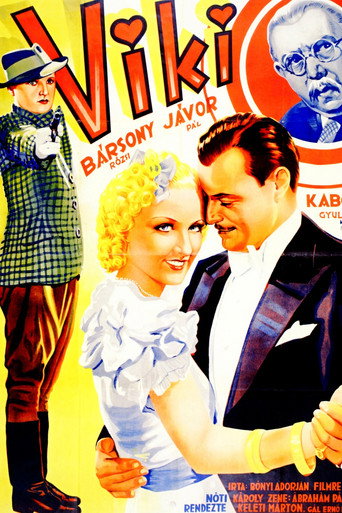
Viki
The ancient families of Kont and Hadhazy have long been at war with each other. Lord Cont is a supporter of Vienna's rule, while Hadhazy is a follower of the Hungarian revolutionary Kossuth. Lord plans to fight Hadhazy at an approaching county meeting. Vicky, the beautiful and savvy daughter of Hadhazy's family, just before this, returns home from a Swiss boarding school for young girls, expelled because of her behavior. Vicky, dressed in a man's costume, goes to defend her father and with the honor of a nobleman fights the young scion of a family hostile to her. The young man's name is Feri Kont, and he mistakes the young man's introduction to Vicky for her brother Kalman Hadhazy. The political conflicts between the two families are mitigated by love complications. A misunderstanding at a county ball is brought to light, and the two warring camps are reconciled through the love of Vicky and Feri.
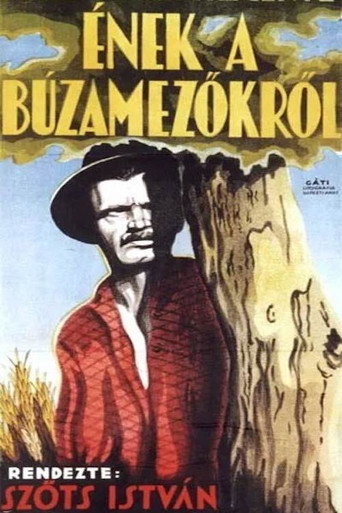
Song of the Cornfields
A Hungarian soldier returning from fighting in the Second World War marries the woman he believes to be the widow of a former comrade who he thinks died in the POW camp in which they were held.
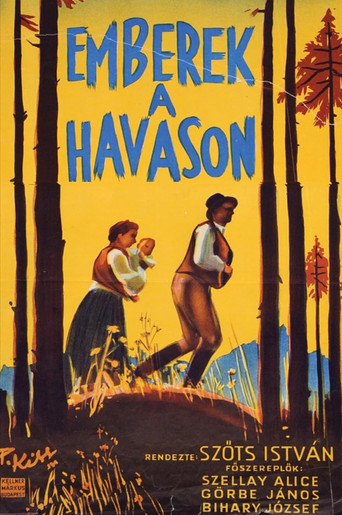
People of the Mountains
A simple, religious Hungarian woodcutter lives with his wife and boy child with a small community of squatters among the peaceful mountains of Transylvania until a lumber company claims their land and forces them all to become company workers or else leave the land. This 1942 Hungarian film takes a detailed and unflinching look at the hardships of mountain living, and the realistic approach proved influential to the Neorealist movement in Italian cinema. Hungarian master director Istvan Szots won the Biennale Cup at the Venice Film Festival for his auspicious debut, but the film was banned by the Nazis as "too Catholic" and not publicly exhibited until after World War II.
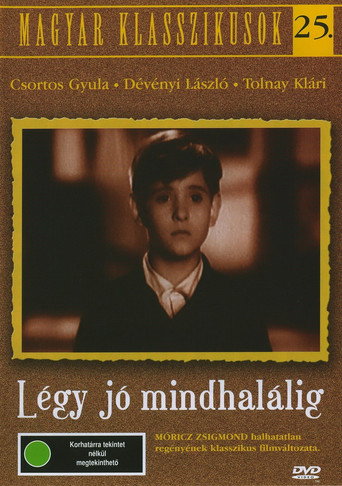
Be True Until Death
The story follows the life of a bright and sensitive schoolboy growing up in an old, established boarding school in the city of Debrecen in eastern Hungary.