Lajos Balázsovits Movies, TV Shows, and Filmography

Lajos Balázsovits
Acting
Biography
No biography available.
Filmography Movies
Acting
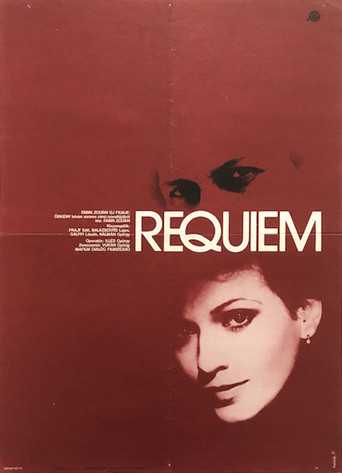
Requiem
When a young boy comes in to see a doctor abourt a red mark on his face, the doctor's wife welcomes him into the consulting room instead. As they talk, she offers him something to eat and then notes that his manner of eating is just like that of her previous husband, who died in prison many years earlier. It turns out that the young man had been his cell mate for a year, and he tells her the story of how her husband died. She then remembers (in flashbacks) how she had helped her first husband rid himself of his sexual repression, and how she had promised him she would marry her current husband if she were widowed. It seems her doctor-husband was a man who could remain untouched through any political climate, and was much admired by her first husband. Now that her memories have been awakened by the young man's account, she ignores the repeated phone calls of her current husband and decides to rid this young man of his own sexual repressions.
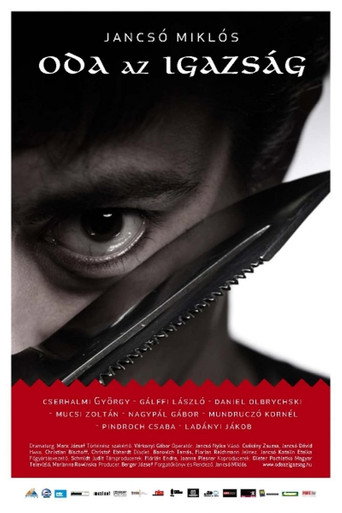
So Much for Justice!
Concerning the Mátyás era in Hungarian history, during the reign of Matthias Corvinus (1443–1490), the film focuses on three eras of the king's life: the young Mátyás fights for the throne, the older Mátyás as king, and the fate of the royal crown and the royal heir after his death.
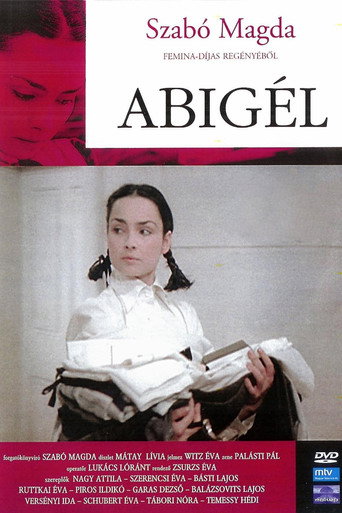
Abigél
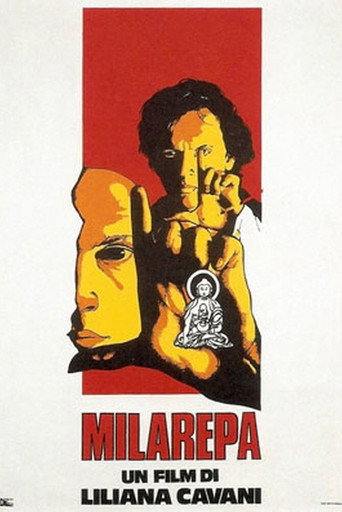
Milarepa
After a car accident, a professor, trapped and awaiting help, hears a student recount the life of Milarepa. The tale unfolds in three parts: dark vengeance, spiritual discipline, and ultimate transcendence, reflecting a journey of inner transformation.

Private Vices, Public Virtues
The setting is a Central European kingdom, near the turn of the century. Bored by his very proper wife, the youthful heir to the throne spends his time in amorous dalliances at a sprawling country estate. His wife departs at the arrival of his friends, and they organize a celebration which becomes a wild orgy and culminates in death and tragedy.
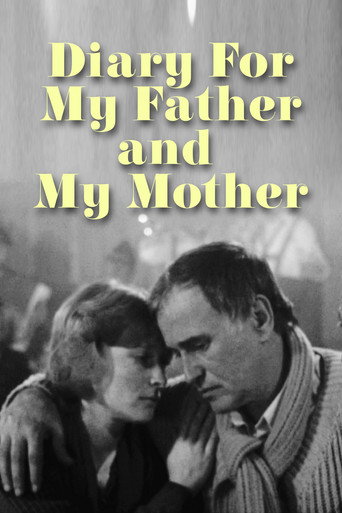
Diary for My Father and My Mother
This story follows a young student, who is orphaned as she grows to adulthood in the shadow of the 1956 Hungarian uprising. Coming from the Communist intelligentsia, she sees her friends and family react differently. Her lover, a married factory manager, supports the patriots and later assists fellow workers in staging a strike. Meanwhile her sister and others express anger at being forced from their homes during the revolution and continue to express a hatred for the rebels afterwards. But in the end they realize that for all people, real life is not possible after the revolt and its brutal suppression by the Soviets and their collaborators.
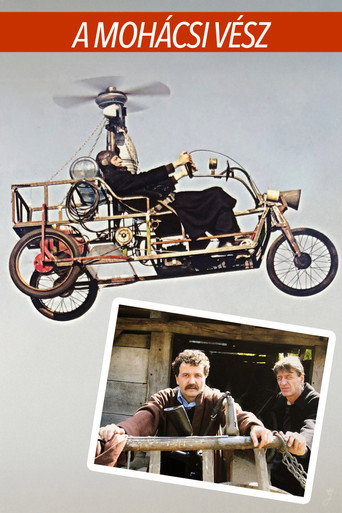
The Battle of Mohács
By the notes of Fiáth Pompeiusz, the one-time friend of Kapa and Pepe, Professor Szirtes has solved the secret of the time machine, and he realizes the invention relying on "special" H2O. Kapa and Pepe shall return by it into the past in order to set time right, which is out of joint, that is, to correct history, to save King Louis II, and prevent the Mohács Disaster. Pepe yields to the not too tender persuasion to enter upon the great journey through time, dies and revives, and they arrive at the battlefield of Mohács in time. Kapa films the events. The Turks win and cut off the king’s, Pepe’s, head, still the Hungarians dictate the peace treaty. Kapa and Pepe want to return, they fill the time machine up with water from the well, yet it won’t start. Even so Kapa and Pepe hover over Budapest and quarrel.
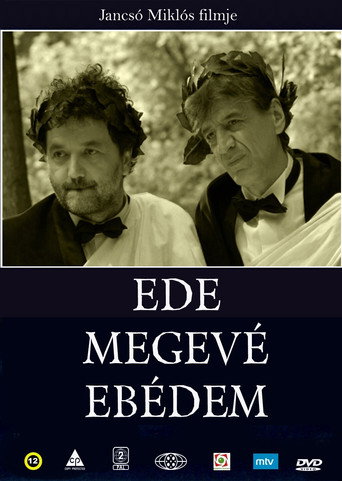
Ed's Eaten Elevenses
Jancsó’s farce, similar to the previous ones, is about our time and about death. Pepe marries into a family of mafiosi, with the father-in-law rolling in money. In a joint venture they establish the first Hungarian Prison Limited company, where there is a menu, the prisoners are residents, and they furnish the place of execution for those volunteering to execute themselves. It turns out that the first voluntary hanging should be demonstrated on Pepe. In 180 AD Emperor Marcus Aurelius is dying in Vindobona, being fed with blades of hay by uncle Miki himself, and his son Kornél Mundruczó. Kapa provides for communication: he insists on telling lies, lies and again lies. Furthermore, there are several to die and to revive, to win and to lose, and Melancholy Béla is still alive.
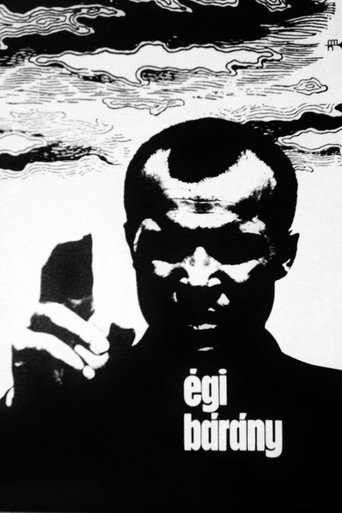
Agnus Dei
Allegory of the suppression of the 1919 revolution and the advent of fascism in Hungary; in the countryside, a unit of the revolutionary army spares the life of father Vargha, a fanatical priest. He comes back and leads massacres. A new force, represented by Feher, apparently avenges the people, but only to impose a different, more refined and effective kind of repression.
Before God and Man
Anika, the daughter of the Greek partisan refugee and the Hungarian medical student, Zoltán fall in passionate love. But Anika's mother wants her to marry a Greek, for she is very homesick and wants to go home. The under-age girl cannot protest.
Gallery