Acting
No biography available.
A "fairly ordinary and mundane" working day in various operations of large steel mills...
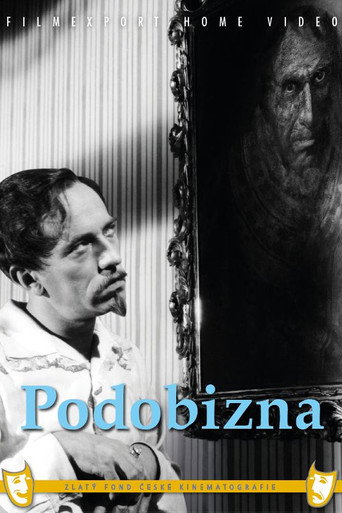
People are afraid of the usurer Chazaj and are convinced that he is the bearer of evil. One day Chazaj pays a visit to the poor artist Simon Jordán and asks him to paint his portrait. Simon agrees but as he progresses with the work his mind conjures up terrible thoughts and in the end he commits suicide. The portrait looks lifelike and Chazaj is content with the results. After Chazaj's death the picture changes hands and brings misfortune to all who own it. The last victim is the young painter Roman who buys Chazaj's portrait in a bazaar. He finds a treasure in the frame and begins to live well off it. The comfortable life suits him so well that he rejects his original artistic aims and becomes a painter of fashionable kitsch.
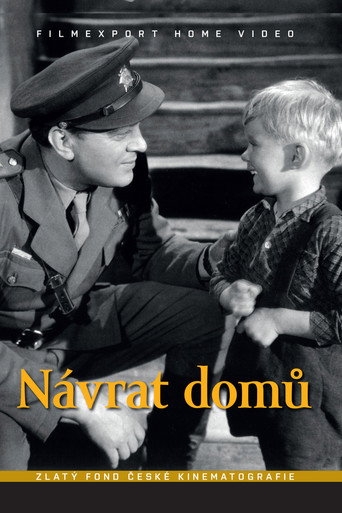
Czechoslovak drama film about soldiers returning from World War II
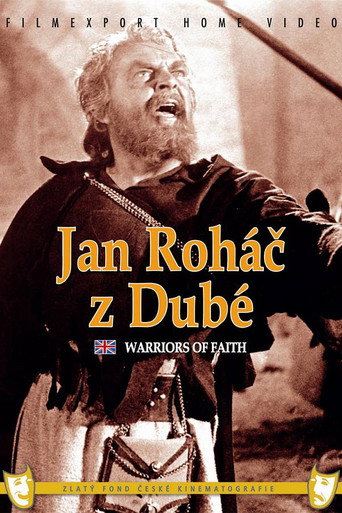
After the Battle of Lipany, the remnants of the Hussite troops concentrated under the leadership of Jan Roháč of Dubé at Sion Castle. However, he had no prospects of victory against the soldiers of the Lordship. Sion was conquered, Roháč of Dubé was captured and executed as a pest in Prague on September 9, 1437.
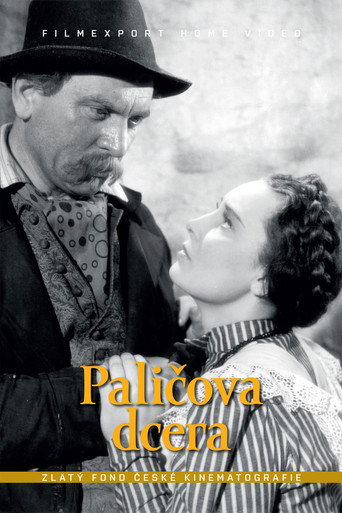
The families of Vavruš Cagala and Cyril Hanulík live in a secluded area in the Beskydy Mountains. Vavruš and Cyril are hardworking woodcutters and foremen. Cagala's daughter Terezka likes Tomáš Hanulík, but she also likes Pavel Zgabaj, the son of the owner of the farms in the valley. Cyril Hanulík is jealous of his Heva and wrongly suspects her of infidelity. Francek, whom Heva loved before their marriage, takes revenge on the Hanulíks: he sets fire to their apiary, from which he seizes Cagala's hayloft. Since then, misfortune has befallen the Cagala family. They lose their horses and wood, and old Zgabaj demands the money he lent them. He is only willing to back down from his demands if Terezka marries his son. Cagala does not want to allow her daughter to sacrifice herself, so the girl secretly goes to the farm to work there as a helper on the farm...
The fiddler Valenta has troubled his wife with his drinking and disorderly life. His daughter Rozárka and her younger sisters go to their aunt's in Prague, and their father sets fire to the abandoned house. Rozárka is suspected...
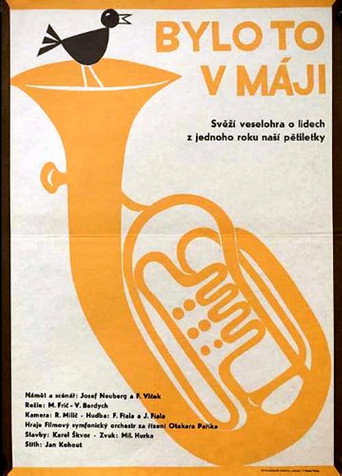
Worker Šebesta does not rejoice with the others in the May Day parade, as his boots are weighing him down. The following working day does not bring him a good mood either. At a plant-wide meeting, he comes into conflict with the young striker Brejcha from the United Engineering Works. He demands an increase in the production of heating elements so that the new hall can be completed before the deadline. The workers react to his passionate speech about the improvement efforts with distrust and, with a bit of mockery, challenge him to prove his words with action in their plant...
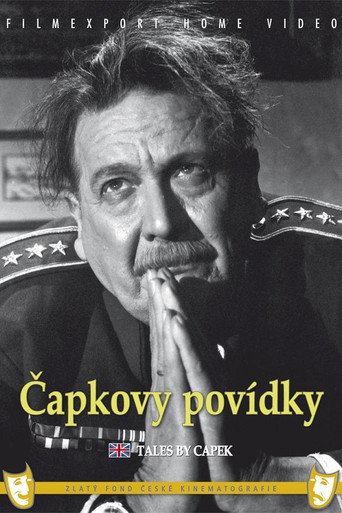
Five crime stories connected by the narration of police superintendent Bartosek.
The Czech revival movement is divided at the end of the first half of the 19th century. While the older generation, such as František Palacký, urges restraint, students lean towards radical positions. A report on the revolutionary events in Paris prompts Czech Prague residents to write down the demands of the Czech nation for self-determination and the proclamation of a constitution. Tensions peak during the All-Slavic Congress in Prague's Žofín. Vienna rejects the Czech demands and the congress is brutally dispersed by the Austrian police. Prague begins to build barricades...