Acting
No biography available.
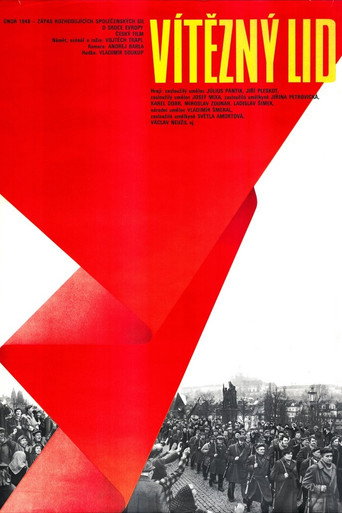
February 1948. The struggle of decisive social forces for the heart of Europe.
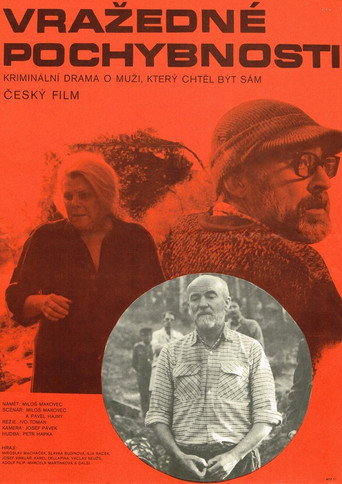
A mentally ill man is running away from the people who care for him in search of freedom. He accidentally stumbles into a hotel where a ten-year-old girl has been found murdered. Is he really the perpetrator of the horrific crime?
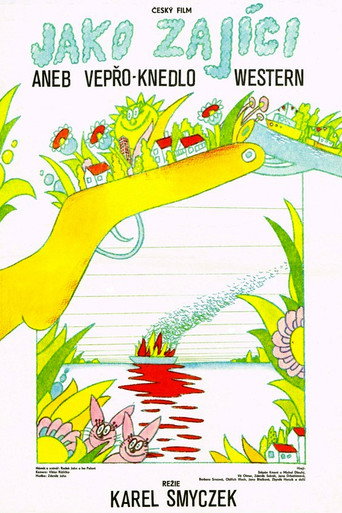
A story of two boys who during the summer at a recreation area become best friends despite being enemies at first.
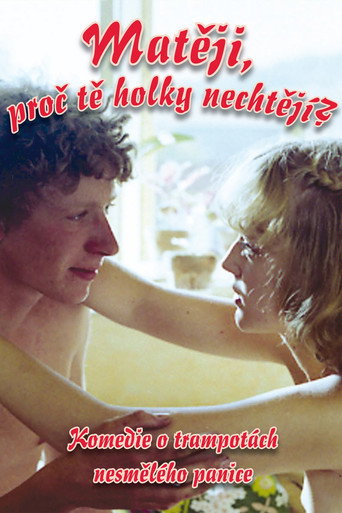
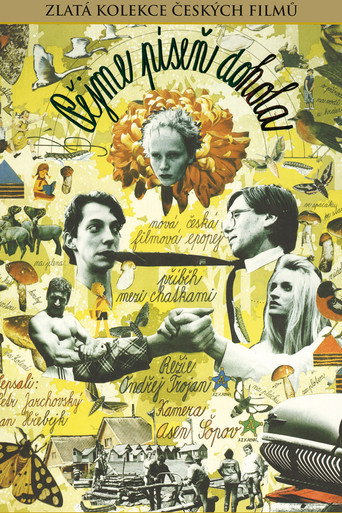
Matěj Hůrka, a teenage bricklayer's apprentice, a young man who is delicate in matters of love, lives with his grandmother in a country cottage. He struggles with love problems, but waits in vain for some advice as his vivacious grandmother remarries an equally vivacious pensioner. The enterprising eldest generation thus contrasts to some extent with the youth, which is embarrassed.
A comedy on a typical children summer camp from the socialist time, telling the truth about it: combination of strange cynical leaders, absent-minded young assistants with complexes, teenage girls desperately in love with them etc. What a pioneer camp pretended to be and what it really was about. All this produces many embarrassing situations.
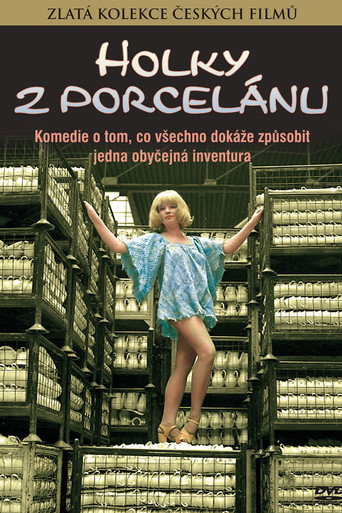
The fifteen year old Maruska starts as a new staff in the porcelain warehouse. For the boss Svetla it is the last straw. She asked to extend her staff consisting of four girls and a retired lady by a man, not a child. The kind and ever fussy Svetla, battling in vain with overweight decides to leave her position and to take another one in the office. As soon as she finds out that the position will be taken by Arnost Jarolím, she insists on a hand over inventory.
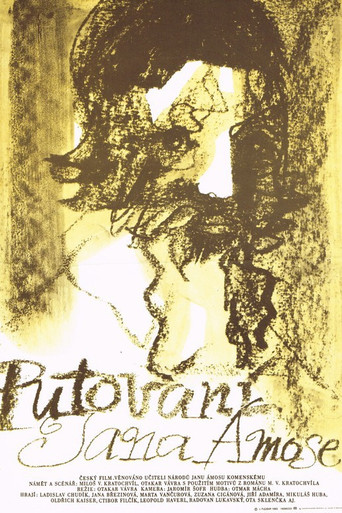
The distressing fate of the Czech great Jan Amos Komenský, forced to leave his homeland after the White Mountain disaster. It depicts his encounters with various European personalities of the 17th century - the Queen of Sweden, artists and scientists. It emphasises the hero's nobility, but also his inner resilience, which allowed him to overcome many personal and professional tragedies. The parable of The Labyrinth of the World and the Paradise of the Heart becomes part of the story. However, Comenius's concept is sculpturally lifeless and, in particular, the religious dimension is "erased" from it. The simplistic biography therefore does not avoid schoolboyish dryness.
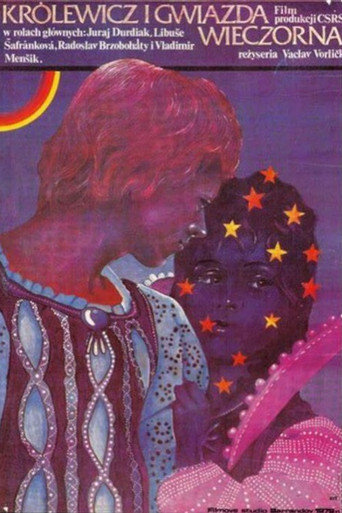
A wonderful fairytale about looking for love, defeating evil and learning some valuable moral lessons on the way. The story begins with the young Prince Velen, who is left in charge of the castle and his three sisters. During the night he has a visitation and before he knows it, all his sisters are married off and gone away, and himself falls in love with beautiful Večernice. Now he is faced with the King's wraths and charged with a quest. The journey, however, hides obstacles and danger; not only treacherous merchants and robbers, but also a evil wizard Mrakomor...
The fate of an unlucky director of a dismantled cultural house who temporarily believes in the meaningfulness of his actions, exposed to the pressure of many different difficulties.
Why? (Czech: Proč?) is a 1987 Czechoslovak drama film directed by Karel Smyczek. It was screened in the Un Certain Regard section at the 1988 Cannes Film Festival. The film deals with the hooliganism in Czechoslovakia, particularly with the fans of football club Sparta from Prague, whose supporters were the pioneers of the football fan riots in Czechoslovakia, starting with hooligan actions already in the 1960s, like breaking the trains in which they travelled when they went on Sparta's away games. The film deals with one of such episodes