Directing
No biography available.
Ragu is a blind violinist who leads an independent life. When Nancy learns about him, she decides to cover his inspiring story. Soon, love blossoms between the two, egged on by her grandfather.
A Princess is tricked into marrying a naive and illiterate youth.
A period fantasy that told of the ageing king of Kamarpur, and his two rival queens, Navbahar and Dilbahar, and their rivalry when a fakir predicts that Navbahar will bear the king's heir. Dilbahar unsuccessfully tries to seduce the army chief Adil (Vithal) and vengefully destroys his family, leaving his daughter Alam Ara (Zubeida) to be raised by nomads. Eventually, Alam Ara's nomad friends invade the palace, expose Dilbahar's schemes, release Adil from the dungeon and she marries the prince of the realm.
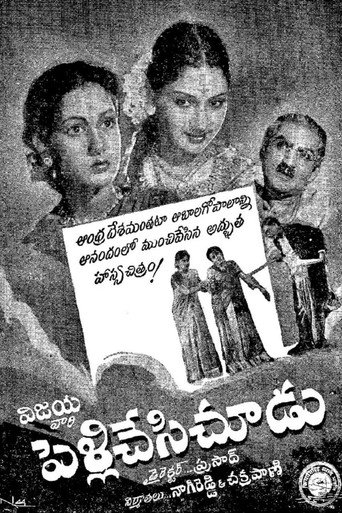
A satirical comedy that deals with the negative effects of the Indian dowry system, through the marital life of Venkata Ramana and Ammadu.The film was made simultaneously in Telugu and Tamil, the latter titled Kalyanam Panni Paar.
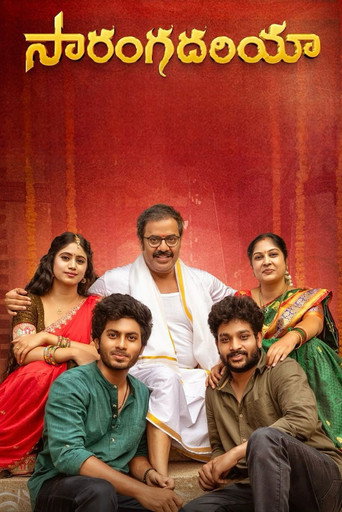
Krishna's family deals with sons' unemployment, daughter's marriage prospects. A hidden secret emerges, challenging their unity. They navigate this crisis while reflecting societal issues.
Drawing the history of the Indian talkie, starting with Alam Ara in 1931, this documentary short provides a cross-section of viewpoints from luminaries of the film industry, which give some insight into the contemporary commercial cinema and the parallel stream.
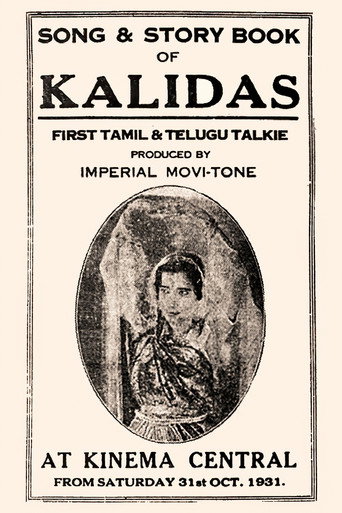
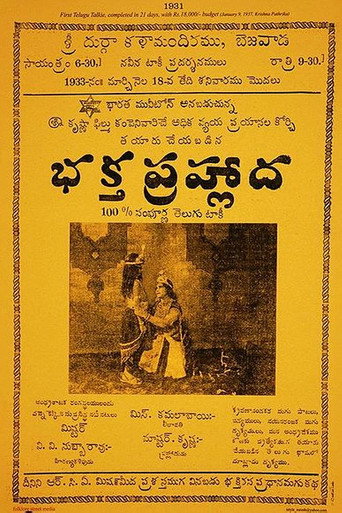
Bhakta Prahlada is the first full length Telugu talkie film based on the story of Narasimha and Prahlada in Hindu epics. The film is now lost; surviving artefacts include a few stills, advertisements, and reviews.
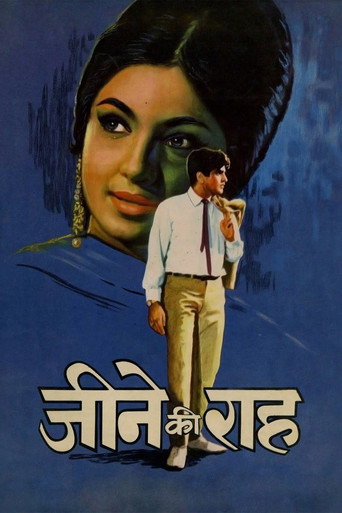
Desperate to earn money, Mohan, a married man, tells a lie in order to secure a job at Mr Rai's firm. However, his life complicates after he attracts the attention of Radha.
A love story between a Tamil man a North Indian woman, who are neighbours in Goa. They come from totally different backgrounds and can hardly speak the other's language. Their parents despise each other and they have regular skirmishes. When they admit their love, there is chaos in their homes, and their parents reject the idea.
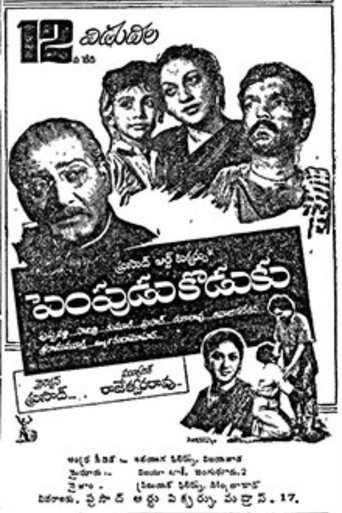
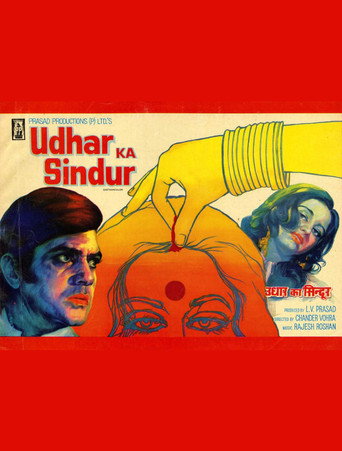
Wealthy Dr. Shivnath decides to adopt an injured orphan named Rajkumar, who has been separated from his sister, Munni, much to the chagrin of his wife, Janki, who resents him and reserves her love for her two biological children, Premnath and Sudha. Years later all the children have grown up, and Dr. Shivnath may have nothing but regret in adopting Rajkumar - who is not only living a dual life; getting into arguments and fisticuffs with Premnath; but may also soon be arrested by Inspector Chauhan for marketing and distributing fake currency.
The story revolves around Selvam, an easygoing youngster who befriends many girls without the intention of marrying any of them.
Somu, who is a criminal, marries Meena. Unable to expose Somu because of her love and devotion to him, she tries to transform him. In a separate storyline, Ravi, a six-year-old boy, learns that his father Suppanna is a criminal, and leaves his home. Suppanna also has a daughter, Bhama, who fails in her attempts to reform her father's ways.
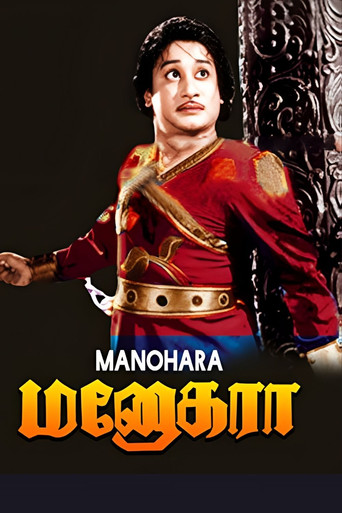
Manohara produced by M. Somasundaram. The Sivaji Ganesan-L. V. Prasad production was distinct, becoming a cult classic. Karunanidhi virtually rewrote Mudaliar’s play, introducing interesting changes like the climactic sequence for which he drew inspiration from “Samson and Delilah”, especially the part where the blind Samson pushes the pillars down. Mu. Karunanidhi’s writing was superb with a contemporary touch. His dialogue had punch, satire, wit and humour. Sivaji Ganesan was excellent in his dialogue delivery and P. Kannamba who played the queen mother was equally brilliant. Her line, ‘Poruthathu podhum, pongi ezhu, maganey’, became quite famous.
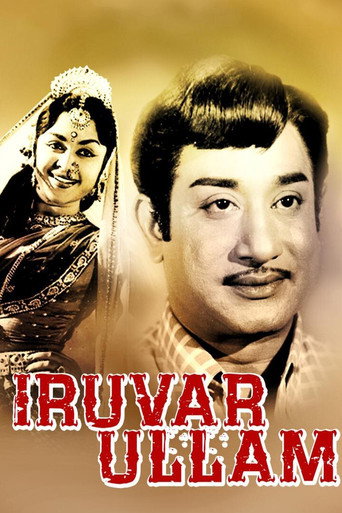
A woman's marriage is filled with upheaval and conflict, but she makes many compromises for the sake of her struggling family. How will she react to her husband's ultimatum, that she must choose him and his family over her own, otherwise he would take their daughter and leave forever?