Acting
No biography available.
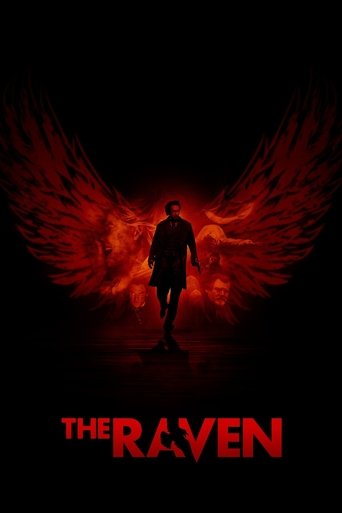
A fictionalized account of the last days of Edgar Allan Poe's life, in which the poet is in pursuit of a serial killer whose murders mirror those in the writer's stories.
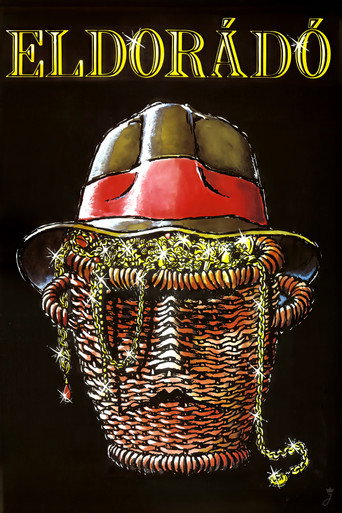
A deep drama about life in Hungary after the WW2 until the revolt against Russians in '56. The main character is the head of the black market in Budapest. He thinks he can buy everyone and everything but at the end he must face that he can't buy life. A must-see for everyone. Casting involves some of the greatest Hungarian actors. The story takes place in the eighth district of Budapest focusing on the market place on Teleki square which is still working. The movie contains some archive footage of real fight during the revolution.
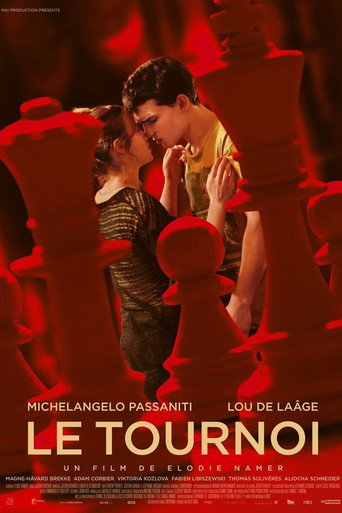
Budapest International Chess Tournament. The most likely winner: Cal Fournier (22), French champion, immature genius, socially awkward, compulsive player. But this time, an unusual 9-years-old Hungarian opponent disrupts this smooth-running routine.
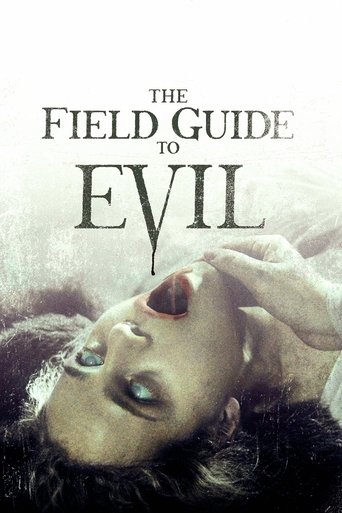
A feature-length anthology film. They are known as myths, lore, and folktales. Created to give logic to mankind’s darkest fears, these stories laid the foundation for what we now know as the horror genre.
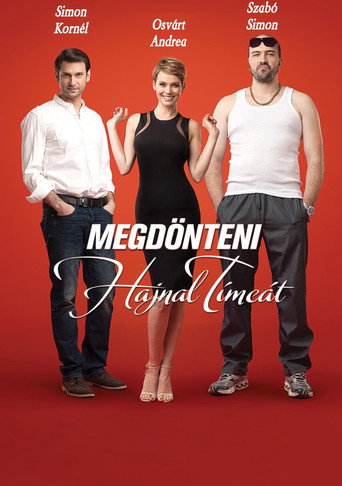
Dani was always the good boy at school and is about to get married. He bumps into Tímea Hajnal, who is now a top model but is trying to get over a humiliating break-up. After a few glasses of wine, they fall into each other’s arms, which wouldn’t be so bad on the face of it, but there’s a tiny problem: Bögöcs, the bad boy of the class, has been recording everything on his mobile phone, and he’s thinking of using it to finally be able to fulfil his teenage dream - to sleep with Tímea. He threatens to show the video to Dani’s fiancée if he doesn’t take steps to set things up for him with Tímea. The pressure very quickly starts to have consequences for Dani’s relationship with his bride-to-be, as she starts to nag him chronically. The wedding is fast approaching, and Dani has to do something…
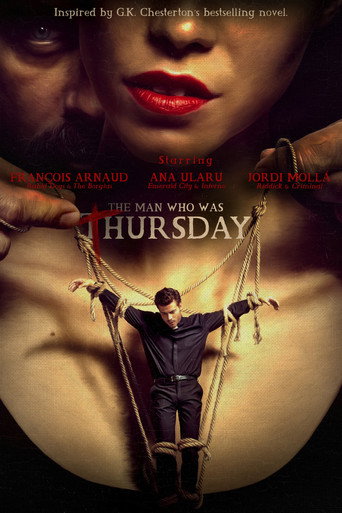
THE MAN WHO WAS THURSDAY is inspired by the existentialist novel of the same name by G.K. Chesterton (1908). The novel is considered a metaphysical thriller, and our film could be considered the same, though it also can be thought of in more classical cinematic terms a psychological and supernatural thriller.
Very loosely based on a traditional Hungarian fairy tale, Peter Strickland's contribution to the omnibus film The Field Guide to Evil, this is an abstract retelling of a folktale about two shoemaker brothers battling for the hand of a beautiful princess.