Léa Pool Movies, TV Shows, and Filmography
Léa Pool
Directing
Biography
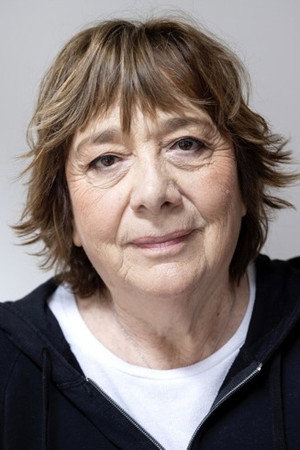
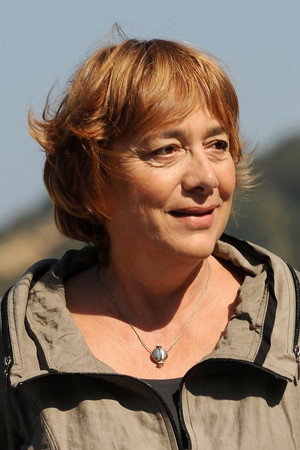
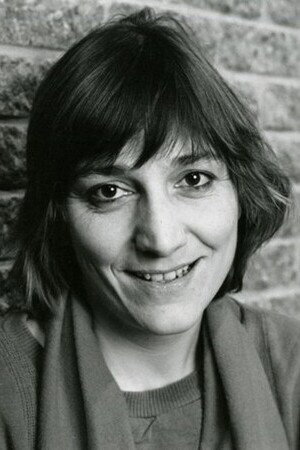
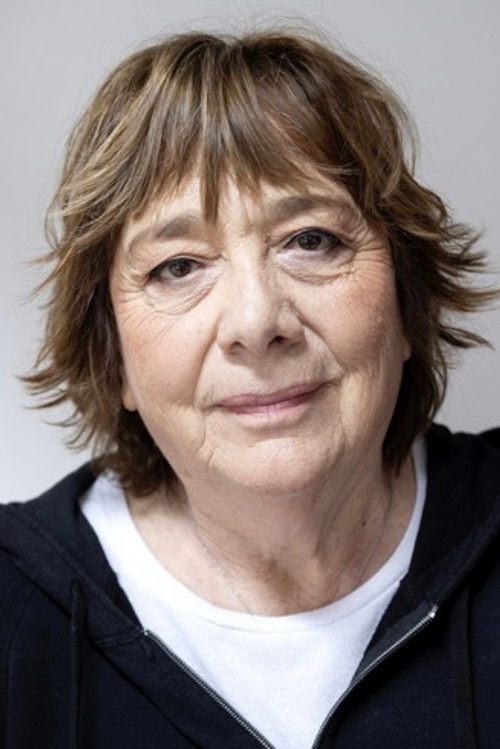
Léa Pool C.M. (born September 8, 1950) is a Canadian and Swiss filmmaker. She has directed several documentaries and feature films, many of which have won significant awards including the Prize of the Ecumenical Jury, and she was the first woman to win the prize for Best Film at the Quebec Cinema Awards. Pool's films often opposed stereotypes and refused to focus on heterosexual relations, preferring individuality. She also taught film at Université du Québec à Montréal (UQAM).
Filmography Movies
Acting
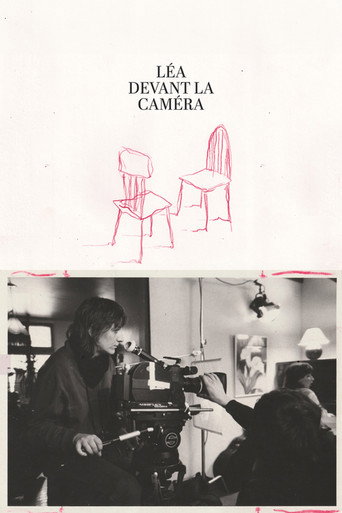
Léa devant la caméra
Revisiting her film set photos, director Léa Pool reflects on her prolific career. The filmmaker left Switzerland at the age of 25 to settle in Quebec and embark on a surprising career. She reinvents herself from film to film, exploring themes that deeply resonate with her: identity, exile, maternal absence, transitional spaces... In both documentary and fiction, she has directed 20 feature films that feature strong female characters and contemporary issues. Somewhere between a masterclass and an intimate conversation, this documentary invites Léa to share her cinematic journey in front of the camera.
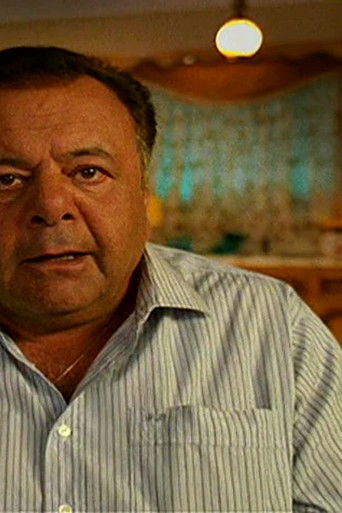
Weird Sex and Snowshoes: A Trek Through the Canadian Cinematic Psyche
This compelling documentary explores Canadian film culture and tries to discover what defines Canadian film through interviews with notable filmmakers.
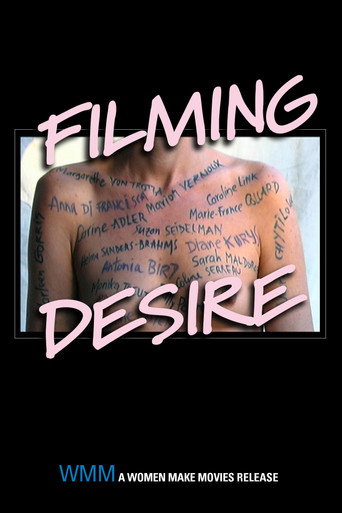
Filming Desire: A Journey Through Women’s Cinema
The film consists largely of a series of interviews with female filmmakers from several different countries and filmmaking eras. Some, such as Agnès Varda and Catherine Breillat (both from France), have been making films for decades in a conscious effort to provide an alternative to the male filmmaking model; others, such as Moufida Tlatli (Tunisia) and Carine Adler (England), are relative newcomers to directing, and their approaches seem more personal and less political. The film as a whole manages to cover some important topics in the feminist debate about film -- how does one construct a female gaze, how can one film nude bodies without objectifying the actors (of either sex), what constitutes a strong female role -- while also making it clear that “women’s film” comprises as many different approaches to filmmaking as there are female filmmakers.
Production
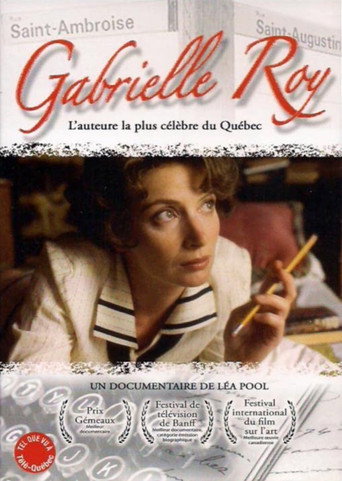
Gabrielle Roy
Gabrielle's universe, one of Canada's most important French-language writers.
Gabrielle Roy
Gabrielle's universe, one of Canada's most important French-language writers.
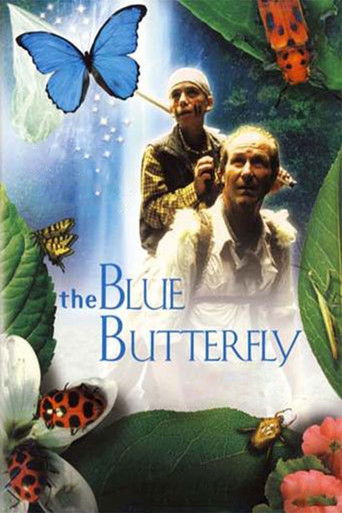
The Blue Butterfly
Based on a true story, The Blue Butterfly tells the story of a terminally ill 10-year-old boy whose dream is to catch the most beautiful butterfly on Earth, the mythic and elusive Blue Morpho. His mother persuades a renowned entomologist to take them on a trip to the jungle to search for the butterfly, leading to an adventure that will transform their lives
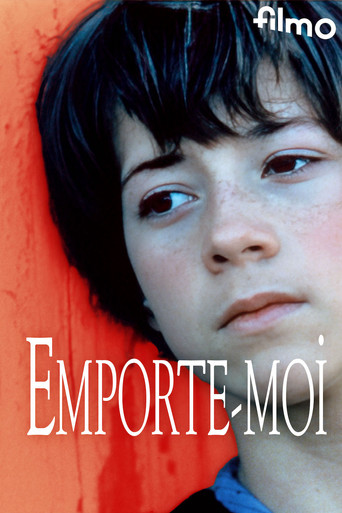
Set Me Free
A coming-of-age tale centered on Hannah, a young girl who is living a troubled family life. Set in 1963, Hannah develops a fascination with Jean-Luc Godard's then-recent film "Vivre sa vie". As she begins to model herself after the film's lead role, Hannah slowly begins to explore the confusing nature of her sexuality.
Rispondetemi
As the paramedics pry her hand apart from her dead lover's grip a woman's life flashes before her eyes. Racing to the hospital the stunning skies and rooftops of Montreal from the back of the ambulance are inter-cut with the most exquisitely cinematic memories.
Rispondetemi
As the paramedics pry her hand apart from her dead lover's grip a woman's life flashes before her eyes. Racing to the hospital the stunning skies and rooftops of Montreal from the back of the ambulance are inter-cut with the most exquisitely cinematic memories.
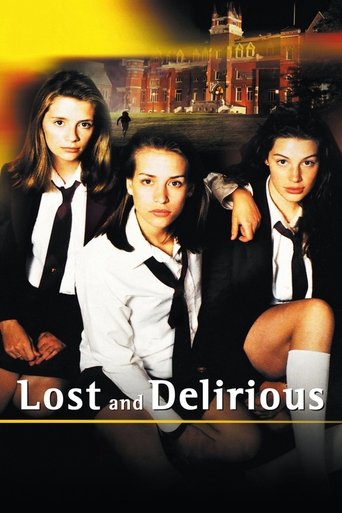
Lost and Delirious
After starting at an upmarket boarding school, a teenage girl forms close friendships with her two older roommates. However, when she discovers that her new friends are lovers she finds herself caught in a complicated situation.
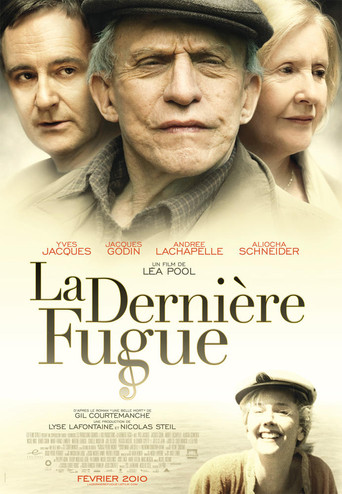
The Last Escape
Christmas approaches and the Lévesque family has once again gathered for their traditional celebration. But this time there is a mixture of emotions running through each person. The patriarch of the family suffers from a combination of Parkinson’s Disease and heart failure. His life reduced in every way, the end approaches and there are unhappy memories of his once violent and authoritarian past. But his wife, ten children and many grandchildren try to maintain a semblance of the Christmas season.
The Last Escape
Christmas approaches and the Lévesque family has once again gathered for their traditional celebration. But this time there is a mixture of emotions running through each person. The patriarch of the family suffers from a combination of Parkinson’s Disease and heart failure. His life reduced in every way, the end approaches and there are unhappy memories of his once violent and authoritarian past. But his wife, ten children and many grandchildren try to maintain a semblance of the Christmas season.
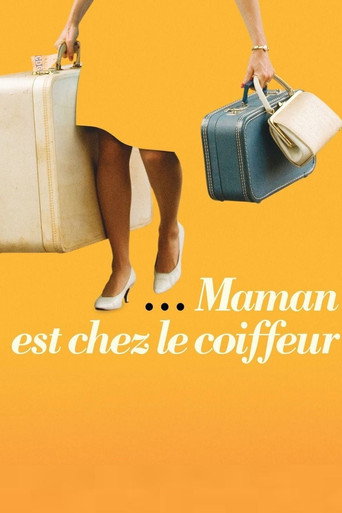
Mommy Is at the Hairdresser's
in the summer of 1966, in Beloeil, Québec, where a young girl named Élise is enjoying summer vacation. Summer 1966. It's time to enjoy the summer holiday, total freedom. Suddenly her mother leaves her family to pursue her journalism career in London. Her urge to leave is triggered when she coincidentally listens in on a conversation between her husband and his male lover. Her brother Coco seeks solace in the garage, building a super racing car. Her youngest brother Benoît throws himself into his own inner world. The father seems absolutely knocked out by the situation. Élise decides to take control of her family, in an eloquent attempt to save them. With the assistance of flourishing nature around her, she stands on the threshold of an incomparable summer.
Gallery