Directing
No biography available.
Two friends, Jung Jong-suk and Hwang Kyung-min, meet after several years and talk about their time in school, which left them scarred.
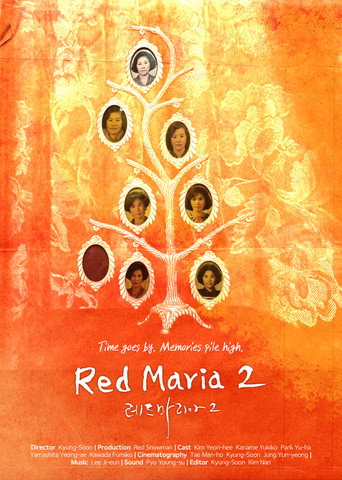
Korean sex worker Yonhee goes to Japan to build solidarity with her counterparts there. YAMASITA Youngae heads for Kyoto to give a lecture on how former prostitute-turned-comfort women were left out of the movement to achieve justice for comfort women. Korean professor PARK Yu-ha is sued by former comfort women because of her book Comfort Women of the Empire. Reportage writer KAWADA Fumiko Tells the story of BAE Bonki, a Korean who worked as a comfort woman in Okinawa. Shuttling between the issue of sex workers who refuse to be pictured as victims and the issue of comfort women who couldn’t even be acknowledged as victims, the film reveals stories that had disappeared from official memory.
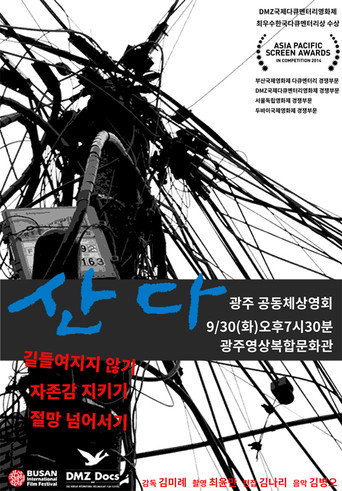
What are labor movement leaders of the 1980s and ’90s doing today, 20 years later? This film begins with the daily lives of four middle-aged Korea Telecom laborer “ajussis.” They “live,” hanging off of utility poles, making repairs below manholes, eating lonely meals of soup and rice, making sales, and getting on the red-eye train once a week to see their families. They are within us and among our neighbors, quietly living day by day. But the moment they start talking, what they do becomes more than just “living.” That’s because they have all dreamed of a world for laborers, fighting against Korea Telecom’s unfair layoff program, in the past, present and future.
Twenty-something Se-young, thirty-something Kyung-eun, and forty-something Kyung-soon all try to find the true meaning of their existence within a family that constantly violates the self while Vincent, an American adoptee, mocks Korea’s ‘blood relations obsessed’ society.
Late at night, parents who lost their children huddle under the incandescent light of the sit-in site and unfold their own stories.
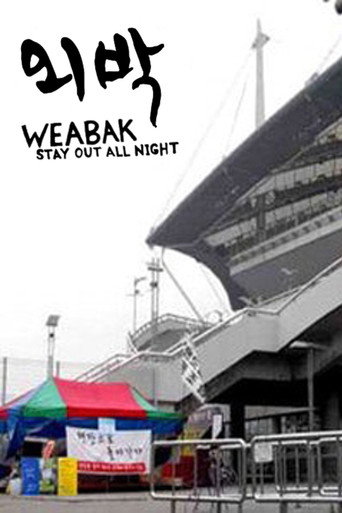
Working at the super-supermarket Homever occupied the Worldcup Stadium store. It was the first sit-in at a retailer led by women, who were until them leading ordinary lives. The originally-planned 2-day 1-night strike went on for 21 days. During the sit-in, they enjoyed temporary freedom and happiness, free from work and housework. Their struggles became the epitome of struggles of casualised women workers. However, there was no easy solution.